EcoGipps Initiative, Central Gippsland
In the foothills of the Victorian Alps, the Phillipson family is helping shape a new future for private land conservation through the EcoGipps initiative. Built on decades of restoration, community engagement and local stewardship, their legacy is now being carried forward through BioDiversity Legacy’s permanent protection pathway.
What began as one family’s effort to restore a cleared grazing property in Central Gippsland has grown into a connected conservation legacy — one that demonstrates how private land can be restored, locally stewarded and protected for future generations.
In 1984, Jim and Heather Phillipson — who were raised in farming communities in Gippsland — purchased a 38-hectare property in Maffra West Upper, on Gunaikurnai Country. The land had been cleared for grazing, but the Phillipsons saw its potential.
They began planting trees, learning from ecologists, conservation groups and land managers, and gradually deepening their understanding of what the land needed to recover.
As the landscape began to respond, the family, now including children Kate and David, came to an important realisation: lasting conservation impact depends on thinking beyond individual properties. Habitat must connect. Landscapes must link. Communities must act together.
That broader vision led the Phillipsons to acquire additional nearby properties across a range of habitats, including lowland and herb-rich forests, open woodlands, native grasslands, dry ridgelines, springs and soaks.
Some of these places had once been used as staging sites for mobs of cattle moving from the Gippsland plains to the Alpine grasslands for summer grazing. Today, they are being reimagined as part of a connected conservation landscape.
From restoration to a conservation movement
Through EcoGipps, the Phillipsons created more than a restoration project. They built a place for learning, contribution and connection. The initiative supports school groups, international volunteers, hikers, field naturalists, birdwatchers and community members who want to learn about land restoration and take part in practical conservation.
Seasonal plantings, ecological surveys, monitoring, habitat protection and education activities are all part of the EcoGipps vision.
The family has also worked with scientists and conservation specialists to build a stronger evidence base for long-term management, strengthen habitat integrity and support local populations of significant species, including Dingoes, Swift Parrots, microbats and Gippsland Water Dragons, among others.
Longer term, the family hopes the landscape may support opportunities for the return of species that have been lost from the area, such as Eastern Quoll and Brush-tailed Rock-wallaby.
Over time, the family progressively placed conservation covenants on their properties through organisations including Trust for Nature. Yet one critical question remained:
What happens to the land when we can no longer care for it?
It was a question the Phillipsons discovered was shared by many conservation-minded landholders. People had the will, vision and passion to restore land, but no clear pathway to ensure those efforts would endure beyond their own lifetimes.
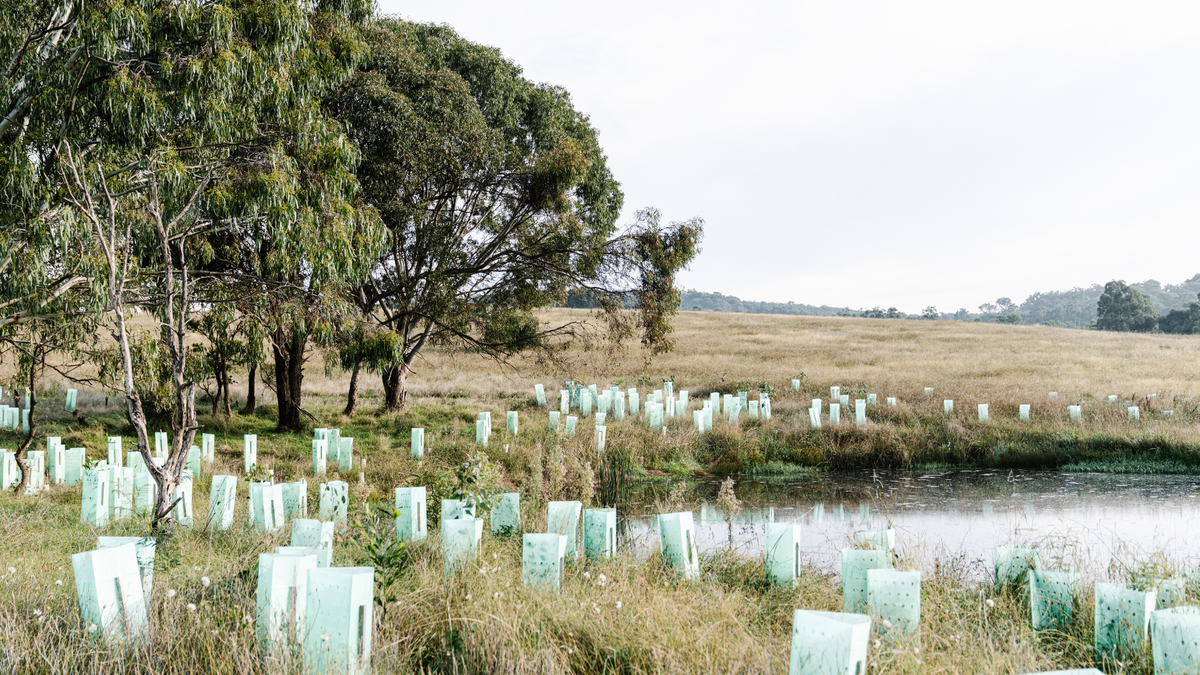
Replanting on EcoGipps property with view to strengthening biolinks.
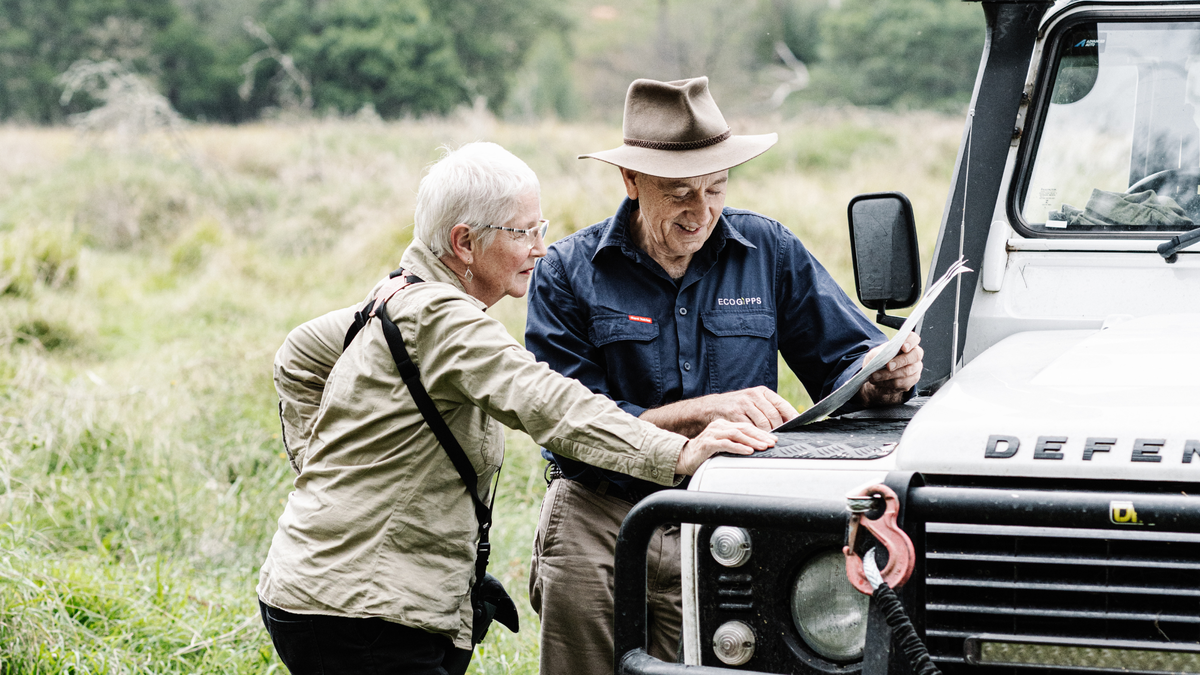
Heather and Jim Phillipson out in the field considering where to focus their stewardship efforts.
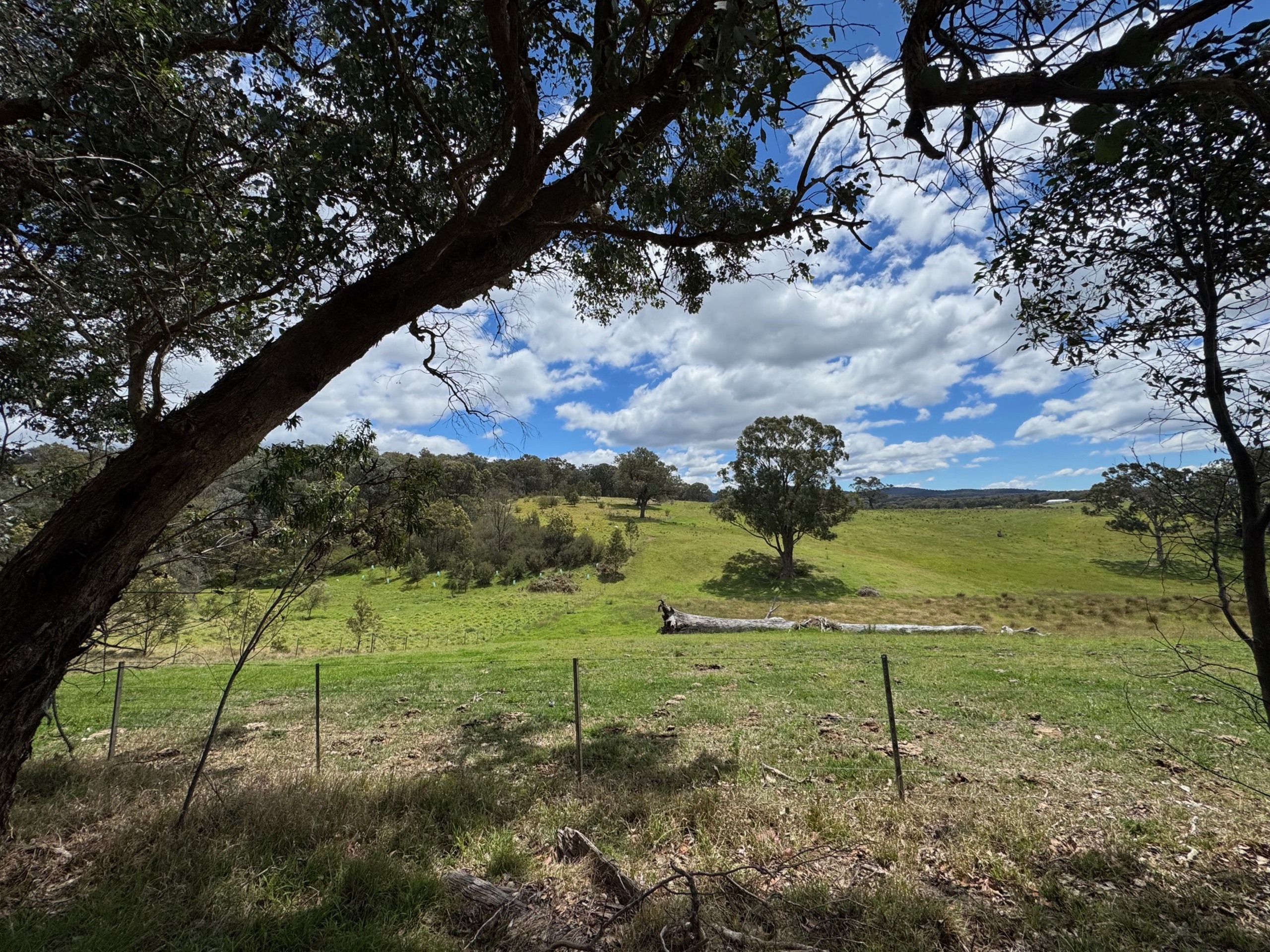
Entrance to EcoGipps’ property, North Paddock.
A pathway for permanence
BioDiversity Legacy was established to help solve this problem: creating practical pathways for landholders, communities, partners and donors to protect land permanently and ensure it is stewarded for future generations.
In June 2025, the Phillipson family donated the first EcoGipps property to BioDiversity Legacy — a 105-hectare property known as North Paddock in Maffra West Upper (read more HERE). The donation marked the first stage of a major multi-property transfer and an important milestone for the wider private land conservation movement.
For the Phillipsons, it provided a trusted long-term pathway to carry their legacy forward.
For BioDiversity Legacy, it demonstrated how a landholder’s vision can be translated into permanent protection while retaining strong local stewardship, community involvement and connection to place. Under this approach, ownership is held securely for conservation, while day-to-day stewardship remains locally led by EcoGipps under the direction of Heather Phillipson.
What comes next
With the first transfer complete, the Phillipson family is now progressing plans to transfer two additional properties, totalling 253 hectares, into BioDiversity Legacy’s safe ownership structure in the coming years.
Together, these properties will strengthen a major biolink to the Avon Wilderness and contribute to a connected conservation landscape spanning riverine areas, woodlands, grasslands, agricultural land and protected reserves.
BioDiversity Legacy is also working closely with the Phillipsons to further develop EcoGipps as a long-term stewardship entity, ensuring the land continues to be cared for through local leadership, ecological expertise and community participation.
Heather Phillipson will continue leading restoration efforts, with Caroline Trevorrow joining as Stewardship Coordinator to support EcoGipps’ growing program of conservation, education and community engagement activities.
A living legacy for future generations
EcoGipps is more than a collection of protected properties. It is a powerful example of what becomes possible when restoration, family vision, community leadership and permanent protection come together.
The Phillipson family’s decision to protect this land for future generations, and in recognition of the Gunaikurnai Traditional Owners of the Country on which it sits, has created a model others can follow.
Their story shows that conservation is not only about restoring landscapes. It is about restoring connection: to Country, to community and to the future.
What began with one family planting trees on a cleared grazing property has become a living legacy — one that will continue to grow, connect and inspire for generations to come.