Biodiversity Month each September is an invitation to get outside and notice the living systems around us - including the small, quiet and overlooked parts of a landscape that are easy to miss unless you go looking, or someone shows you how and where to look.
So, it felt especially timely to be invited to visit two previously overlooked properties in Victoria's broader Mallee region, both acquired for conservation by our friends and colleagues at Carbon Landscapes.
One is a 600-ha parcel largely surrounded by Little Desert National Park, an area badly affected by the 2025 fires. The other lies further north, towards Big Desert; a 1,000-ha former farming property that, in a nice coincidence, reached final settlement with Carbon Landscapes during Biodiversity Month. It will now be protected for native species including Malleefowl, Mallee Emu-wren, Western Quoll and threatened flora.
Protecting the places that can be missed
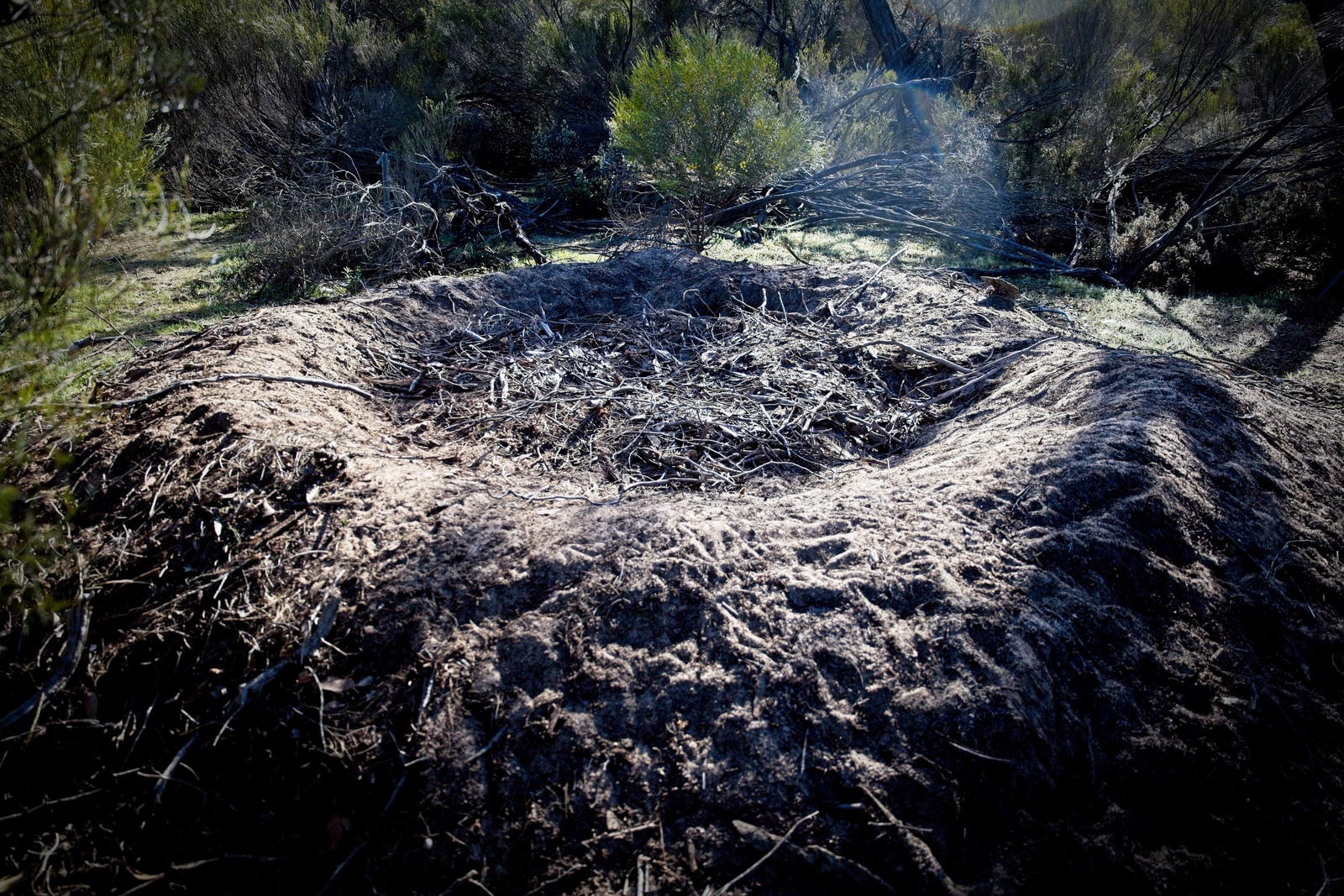
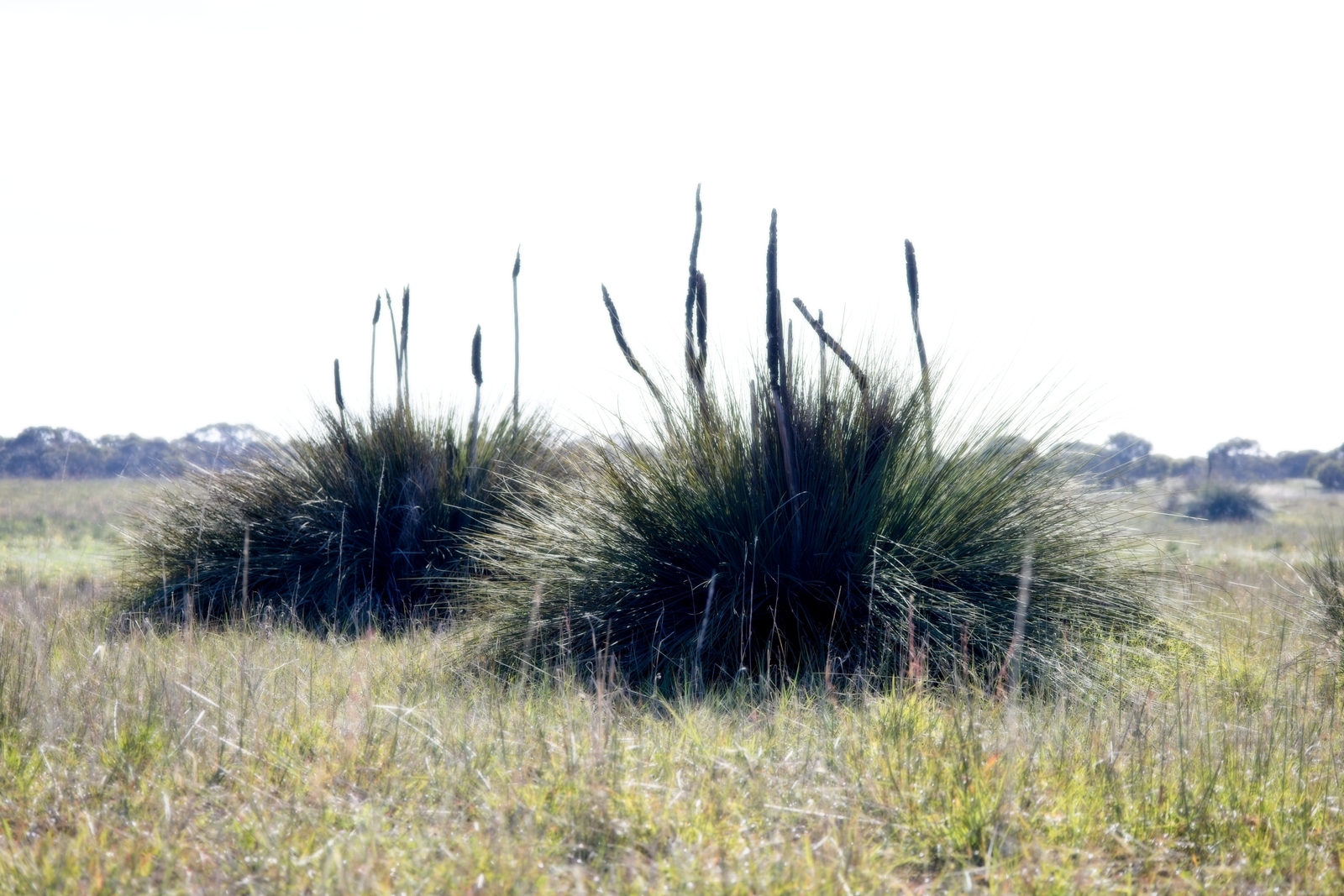
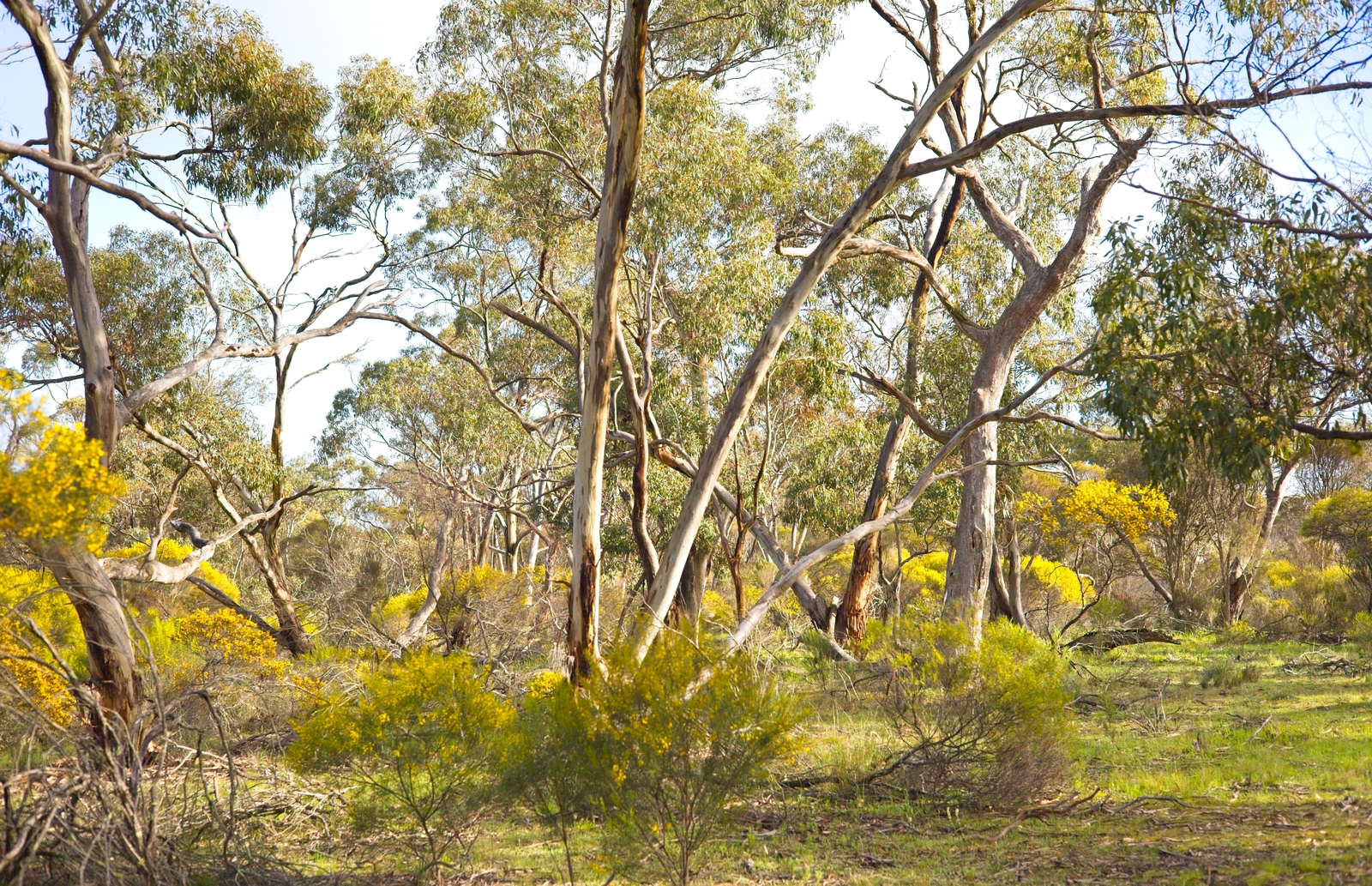
Carbon Landscapes director Dr Steve Enticott has an eye for places like these - properties whose conservation value may not be immediately obvious, but which can still play an important role in protecting habitat and connections across a wider landscape. Both properties are characterised by Mallee Woodland and Shrubland growing on pale yellow and whitish sands. They don't necessarily conform to conventional ideas of scenic beauty, and much of what makes them interesting is easy to miss.
Leading Victorian botanist Tim D'Ombrain was also invited to visit the Little Desert property that day. Tim had earlier surveyed another Carbon Landscape near the new acquisition, recording more than 1,850 flora observations over another 800-ha. He is excited about what he will find on the new block.
Tim and Steve are passionate about protecting Victoria's unique and threatened flora. They collaborate on a range of projects, including the Nooramunga Land & Sea initiative in South Gippsland, which is protecting coastal saltmarsh.
Conservation at every scale
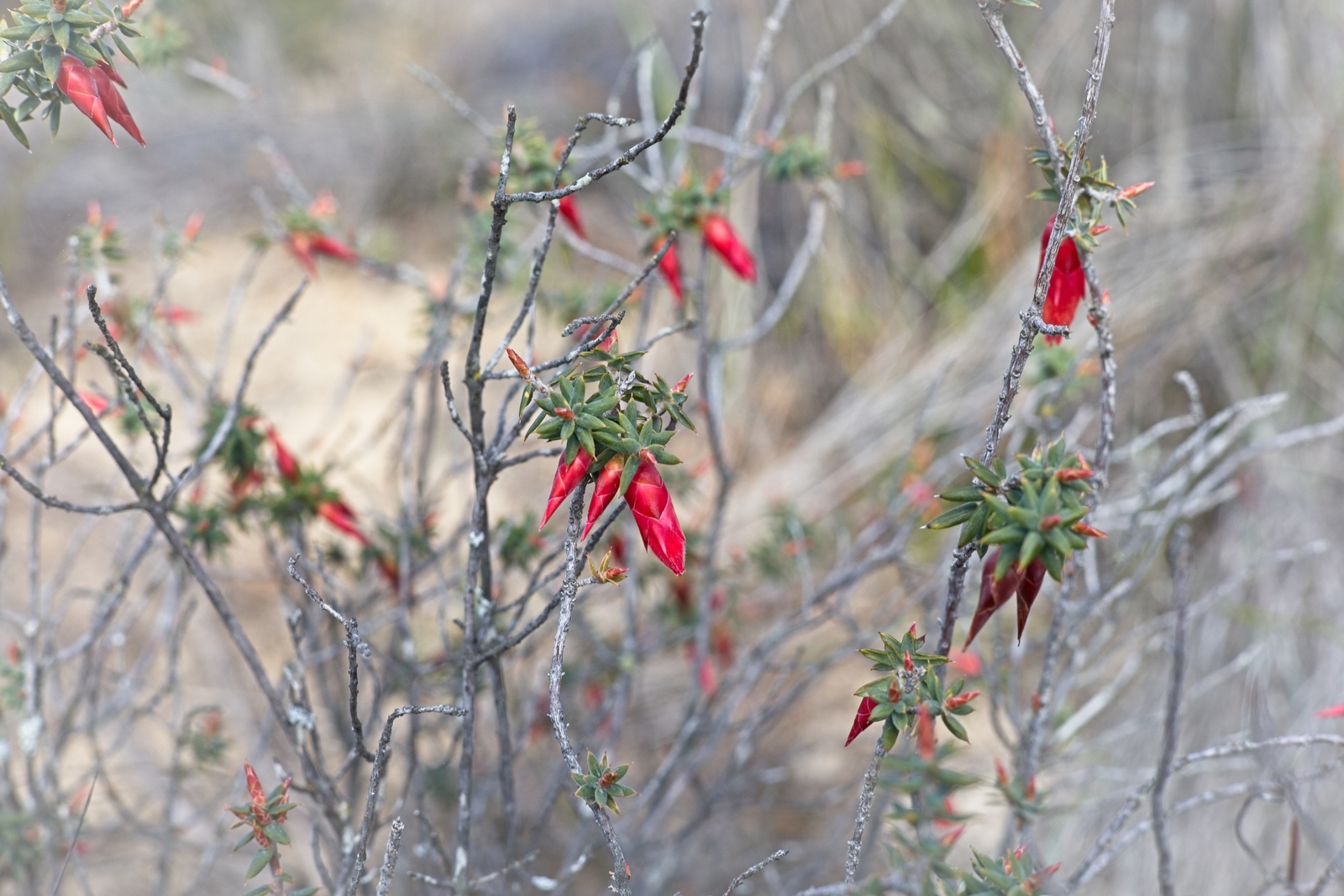
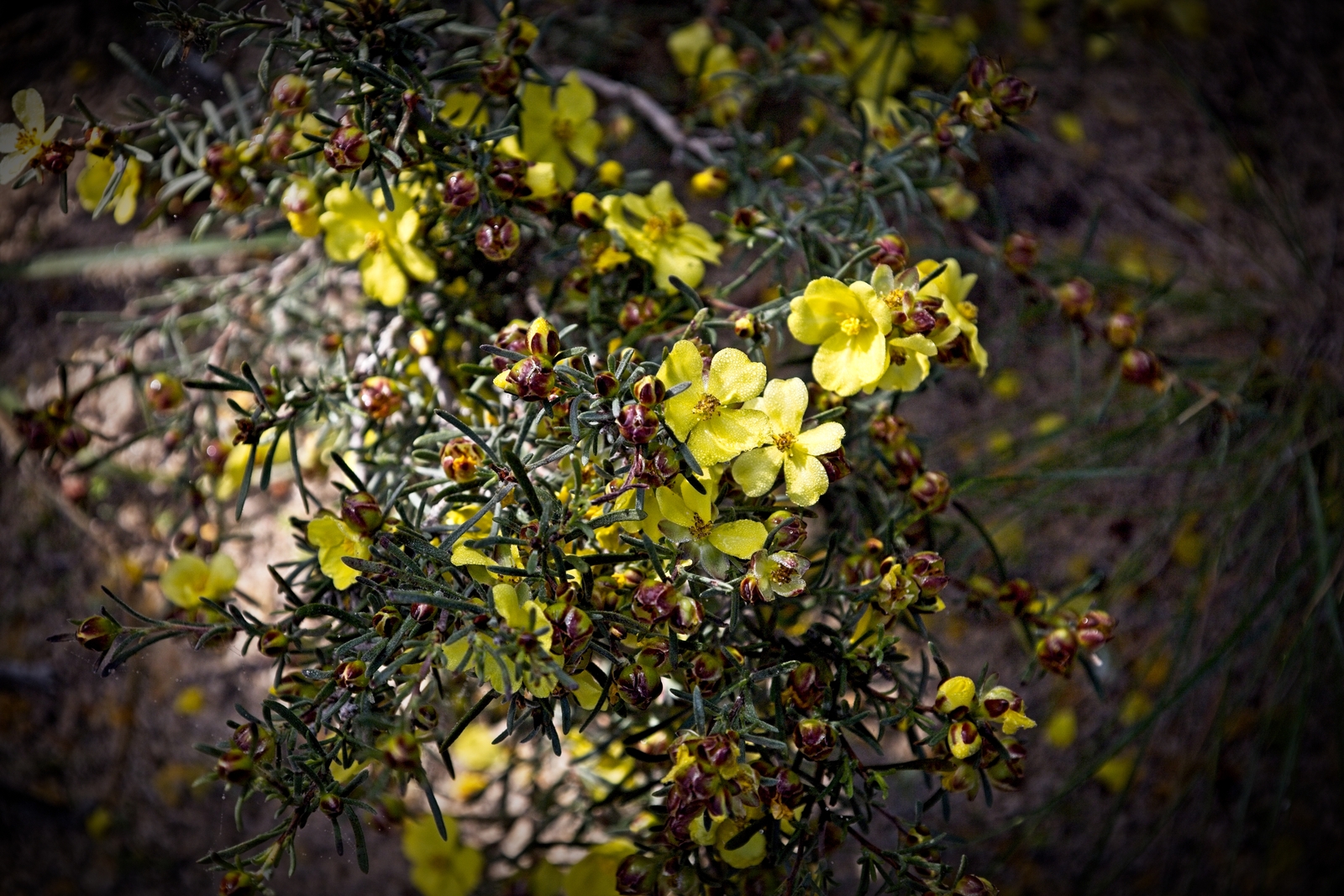
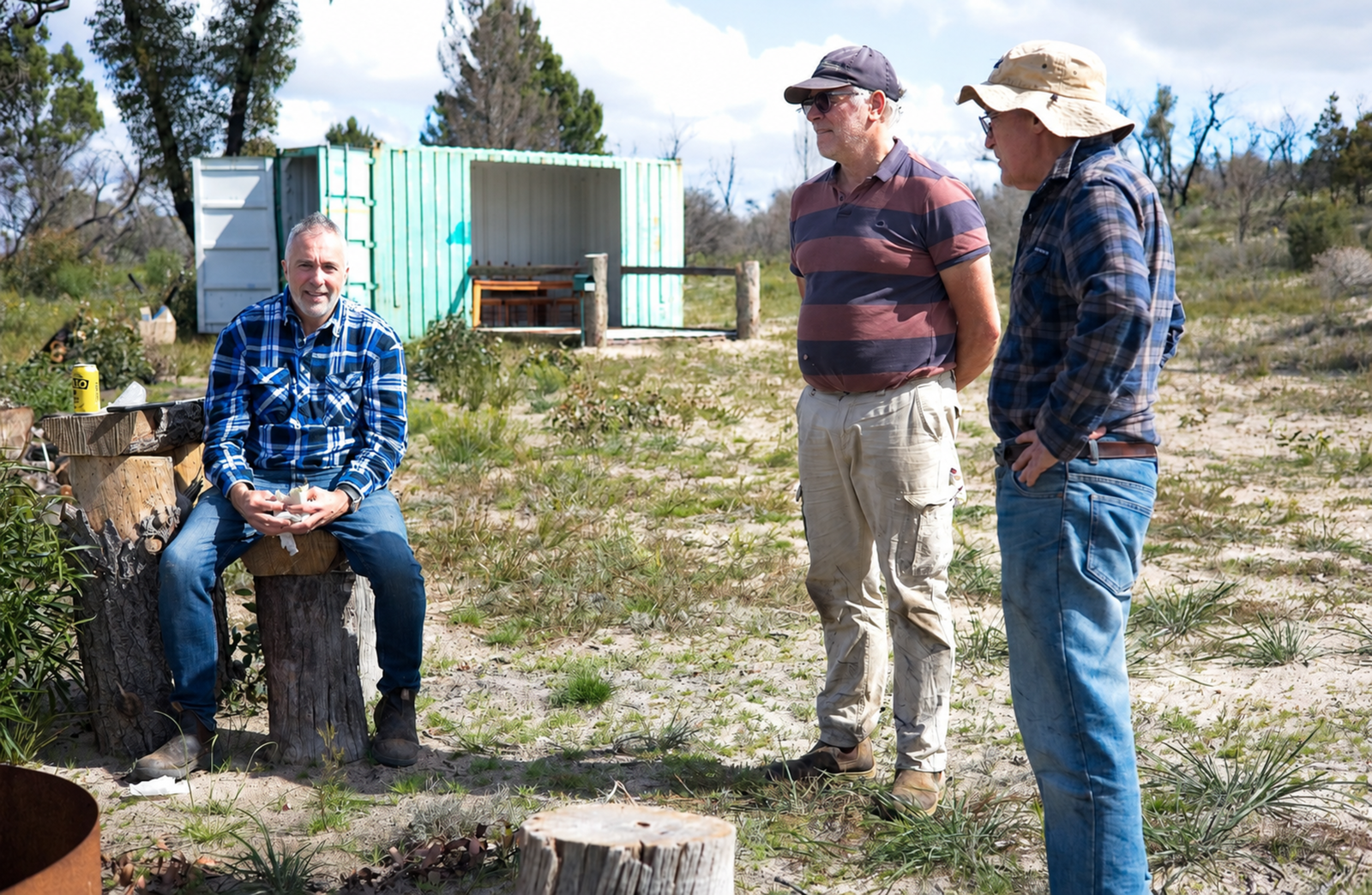
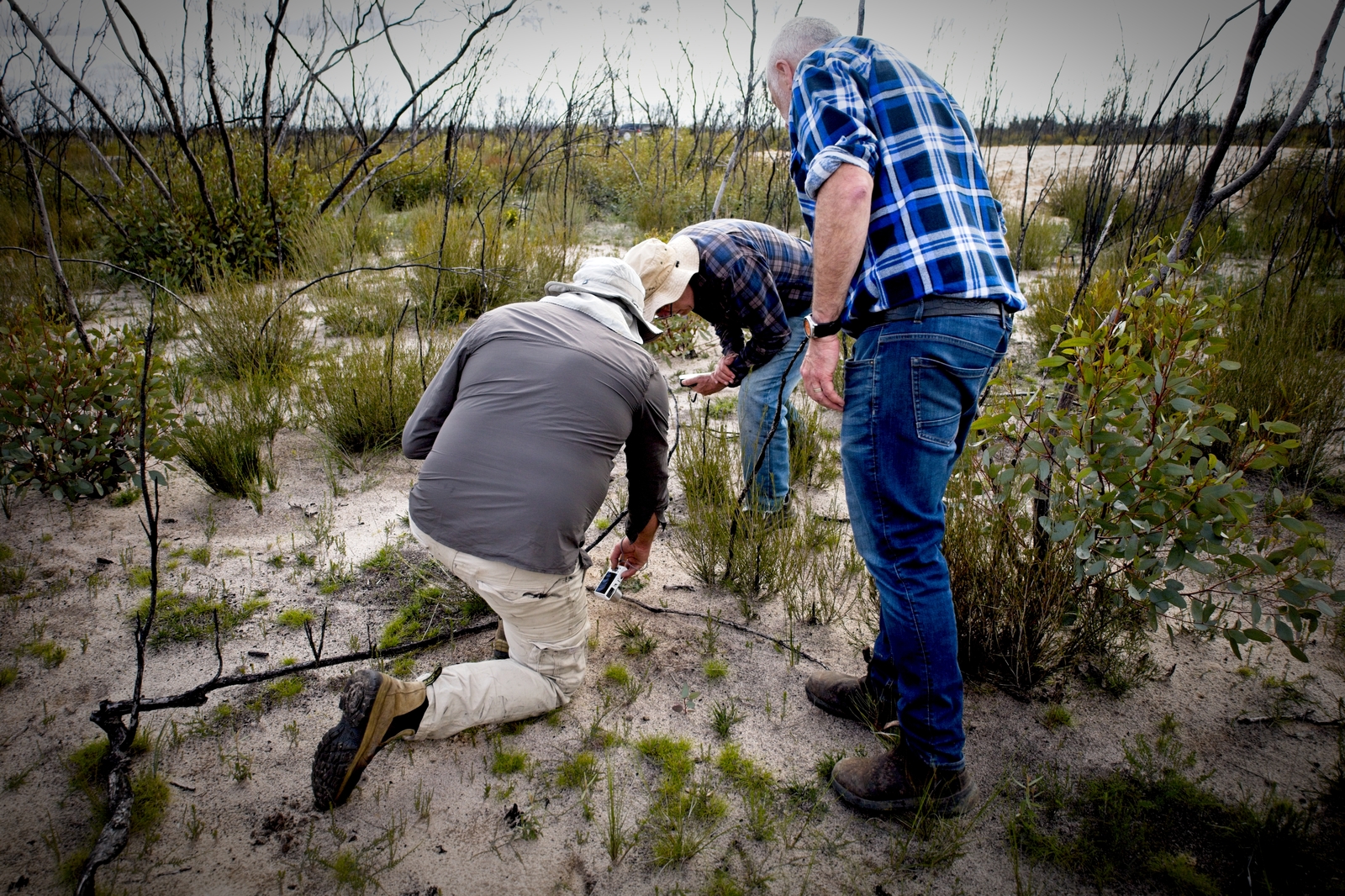
Heading out with Tim, his colleague Ian Castle, Steve and a few others was one of the most memorable parts of the visit. Steve was looking at the landscape in terms of what could be protected and connected, while Tim and Ian had their eyes trained on the ground - spotting tiny plants and orchids we would otherwise have walked straight past.
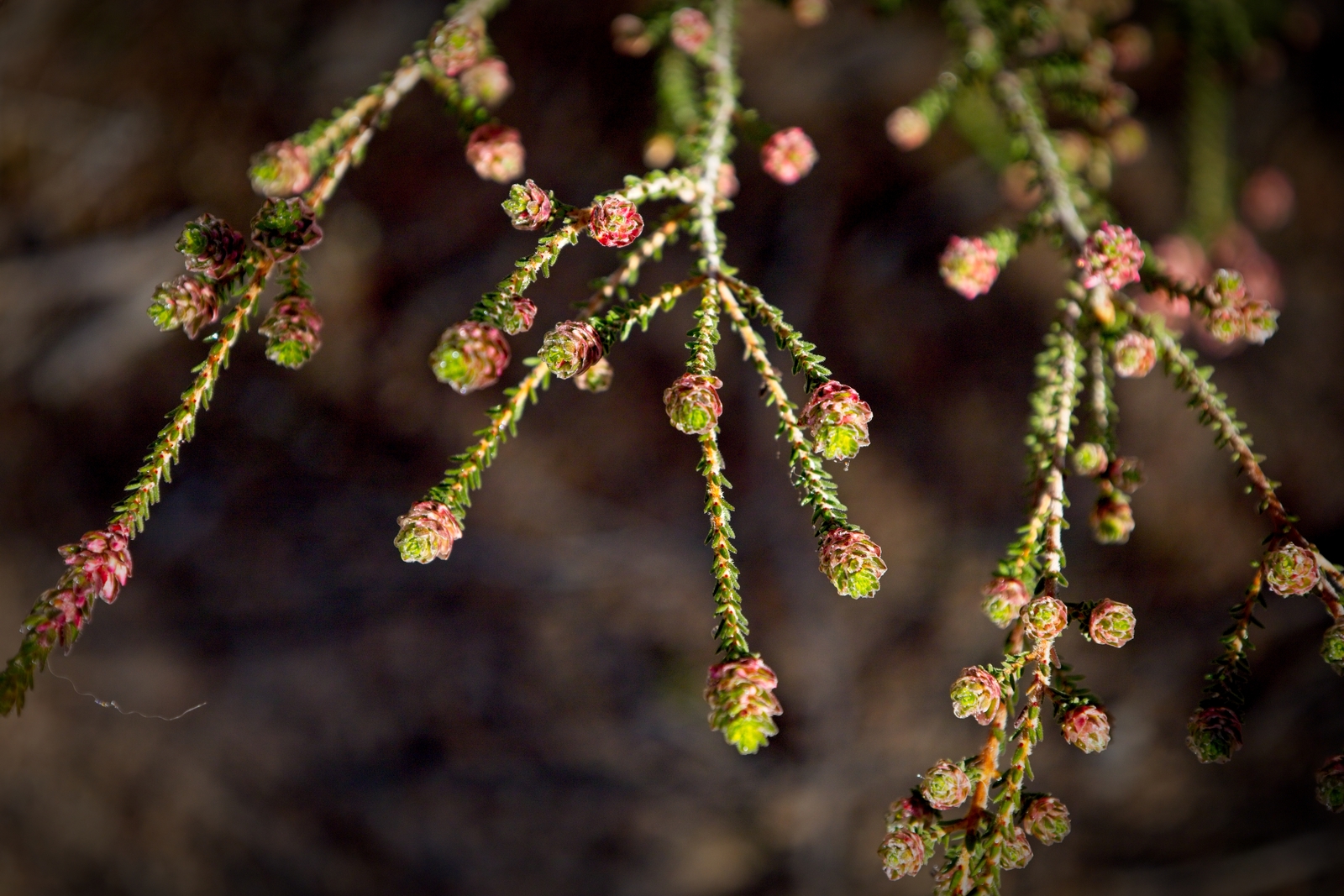
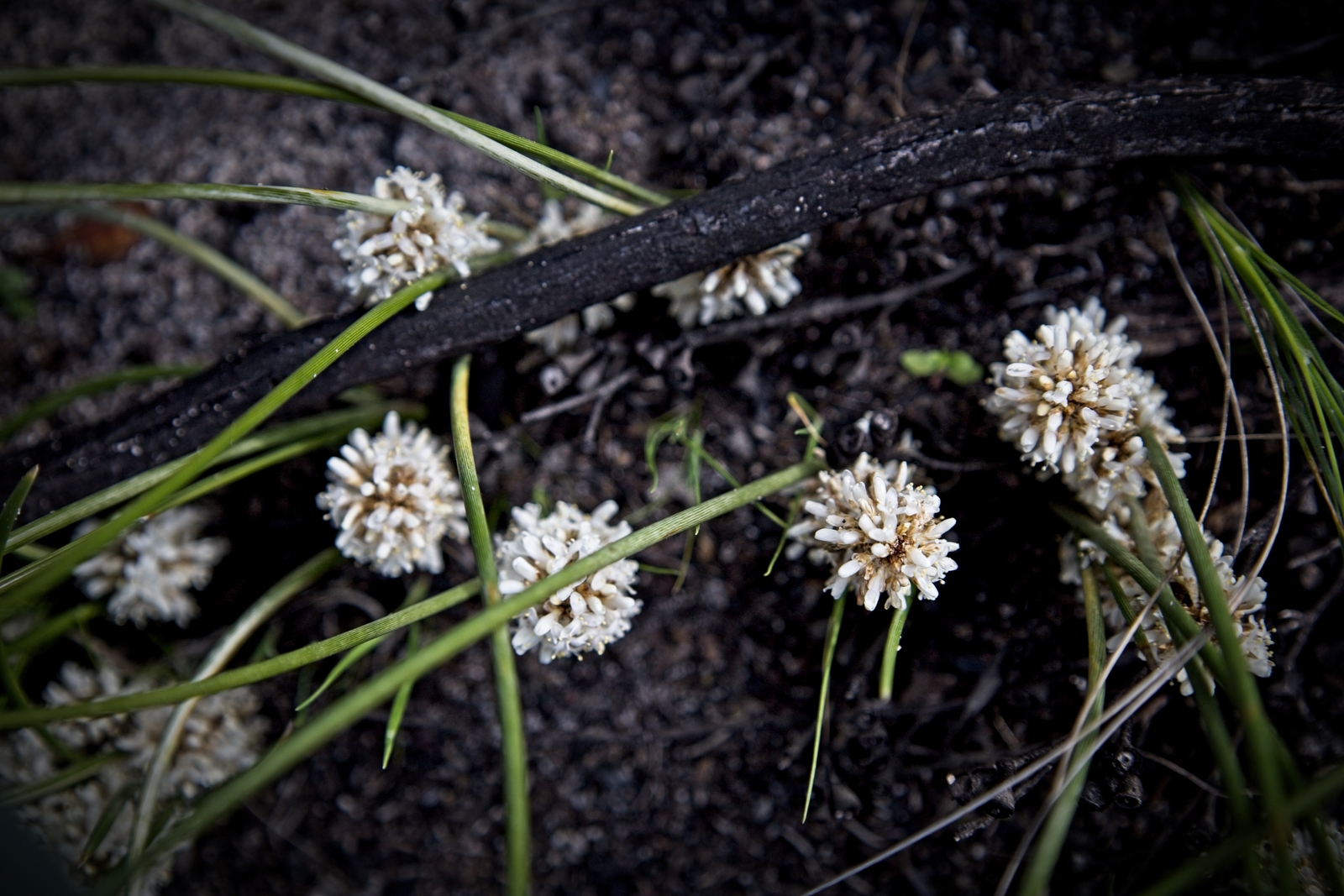
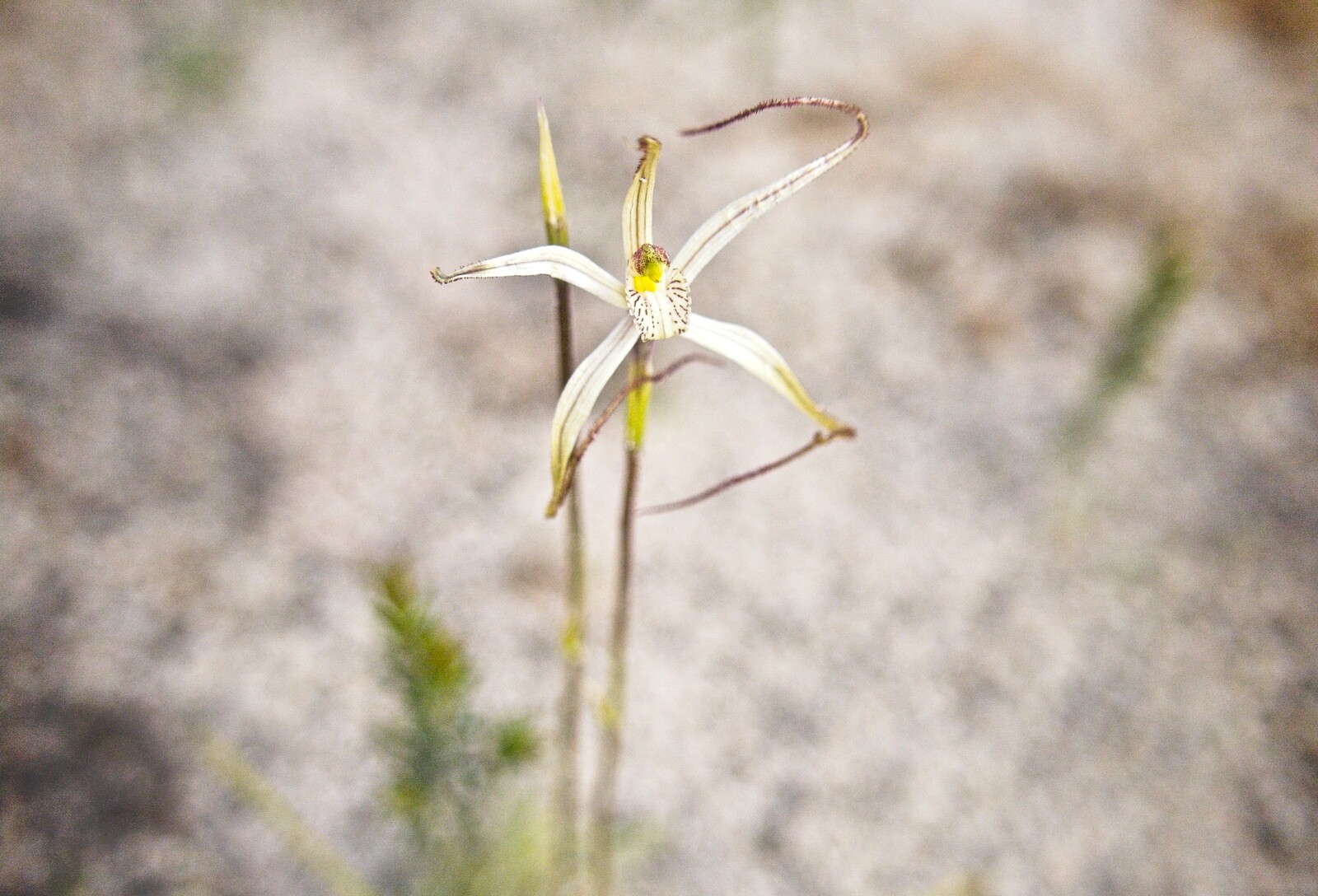
From a distance, Mallee country can look sparse - low shrubs, pale sand, not much happening. Up close, it is very different. Much of the flora grows low and flat against the ground, some barely rising above the sand. Tiny native orchids were sitting almost flush with the earth. It was a useful reminder of what biodiversity can look like on the ground: not always dramatic or visible at a glance, but much richer once you begin to pay attention.
The visit and experience reinforced an important point: conservation value isn't measured simply by the size of a property. Large, intact landscapes are critical, but smaller or more fragmented places can also contain significant habitat, support distinctive species and ecological communities and contribute to connectivity and resilience across a broader landscape.
At BioDiversity Legacy, we cherish these moments - getting out of the office, spending time in places and hearing directly from the people who know and care for them.
A big part of our role is taking the time to understand both the people and the landscapes; what matters to them, what makes a place special, what is already being done and what opportunities might exist. That understanding helps us identify practical pathways for conservation and connect people with the right partners and mechanisms to make them possible.
The visit was a wonderful reminder of why that matters. To see the landscape through Steve's eyes, to follow Tim and Ian as they noticed plants we would otherwise have walked straight past, and to hear the knowledge that comes from spending time in a place was a privilege. There is so much that can be missed when we don't take the time to look closely at the landscape, and at the people doing the work to care for it.
A fitting thought for Biodiversity Month.