North Paddock - EcoGipps, Central Gippsland
In a pioneering act of generosity, the Phillipson family from Central Gippsland formally donated their 105-hectare property, North Paddock, to BioDiversity Legacy in 2025 for its lasting protection and ecological stewardship.
North Paddock Gift Signals the Beginning of a Bold Conservation Legacy
Purchased in 2019 and donated to BioDiversity Legacy in 2025 by the Phillipson family from Central Gippsland, North Paddock is a 105-hectare — 259-acre — property embedded within a sweeping expanse of bushland connecting the Avon Wilderness to the Victorian Alps.
Managed by the family-run stewardship group EcoGipps, North Paddock is one of three ecologically significant properties the Phillipsons — an admired local family with long-standing ties to the region — have been working to protect and restore.
The family plans to gift all three properties to BioDiversity Legacy in the coming years.
Historical and regional context
Situated at the southern edge of the Avon Wilderness in Maffra West Upper, within the Gippsland Plains Bioregion, North Paddock has been shaped — like many other properties in the area — by a history of land clearing, erosion, fire and drought.
For thousands of years, the Gunaikurnai people hunted and travelled across the Gippsland Plains before pastoral runs were established by squatters in the 1800s.
The rich grasslands became winter grazing country, with cattle driven up to the high country for summer grazing — an activity now being phased out due to its ecological impacts. Today, North Paddock plays a vital role in rebuilding habitat connections, or biolinks, between adjacent properties, the Gippsland Plains and the Avon Wilderness.
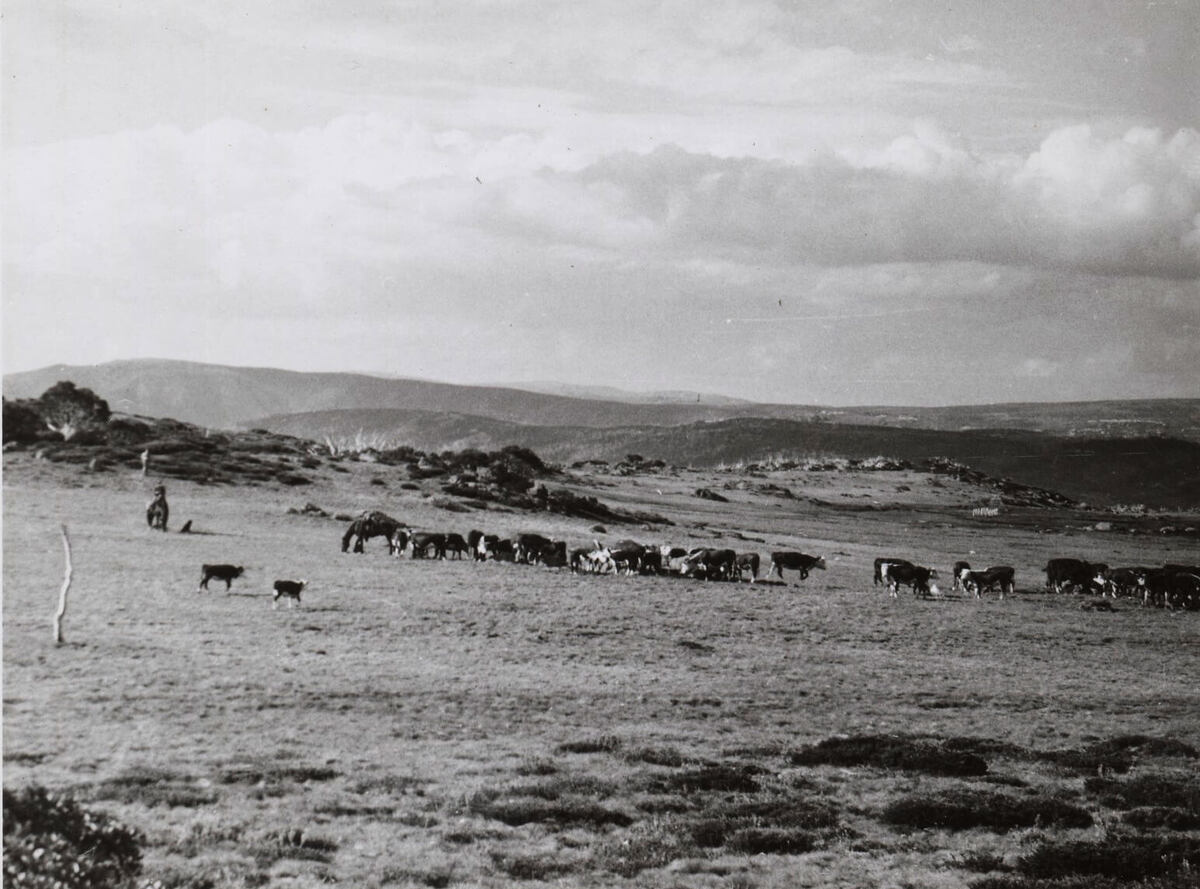
Historical photo of cattle being driven up to the High Country for summer grazing. Credit: State Library of Victoria.
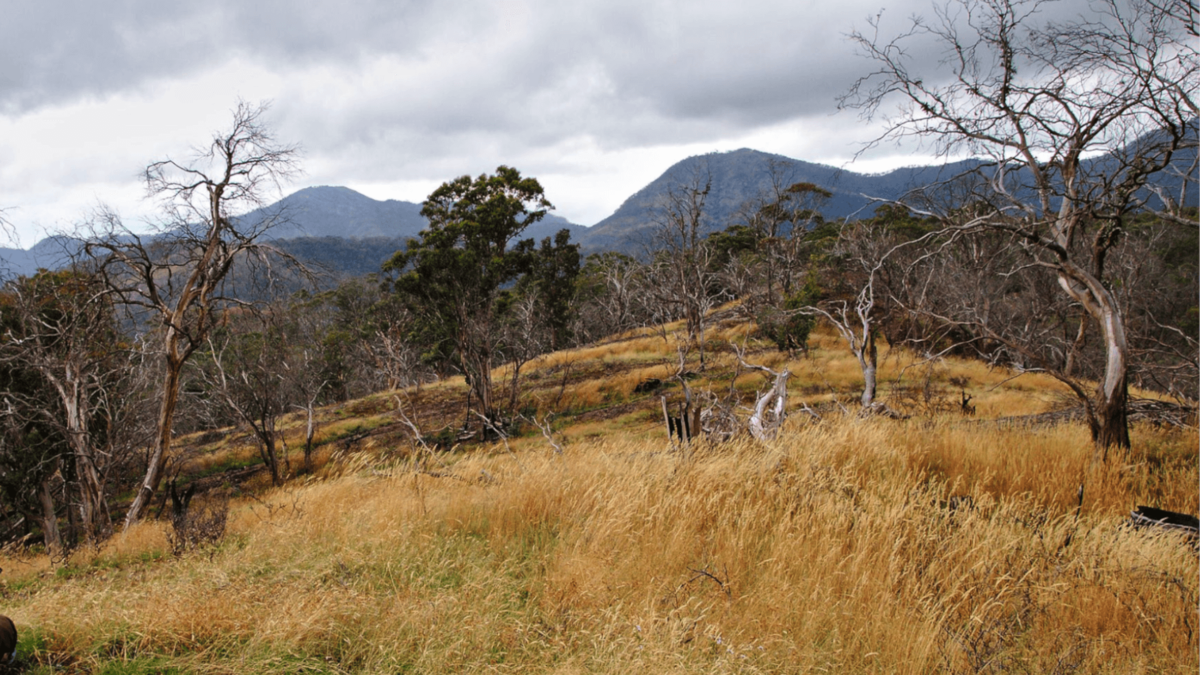
Victorian high country/Avon wildnerness. Photo with thanks to Swee Oon.
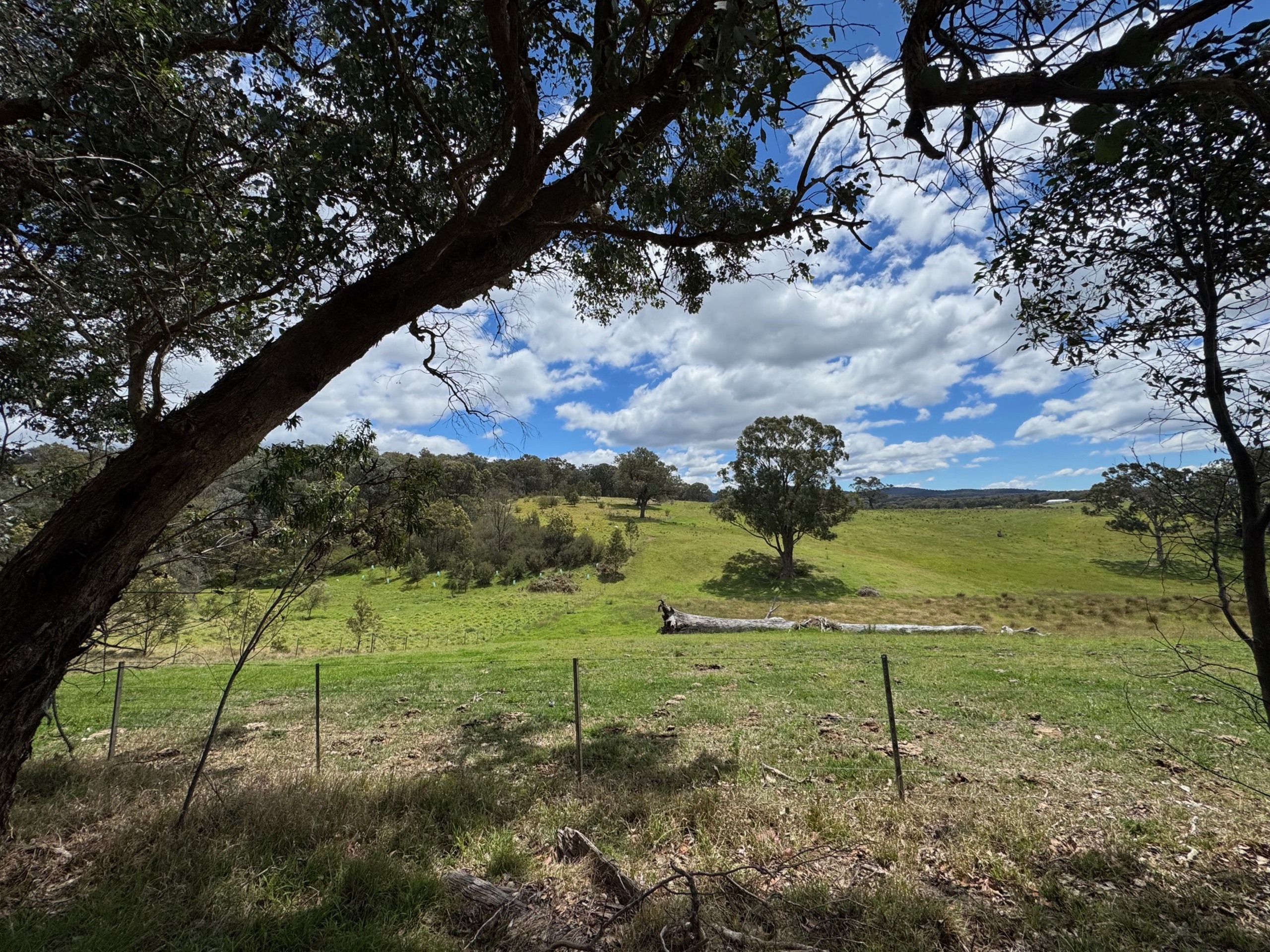
Entrance to EcoGipps’ property, North Paddock.
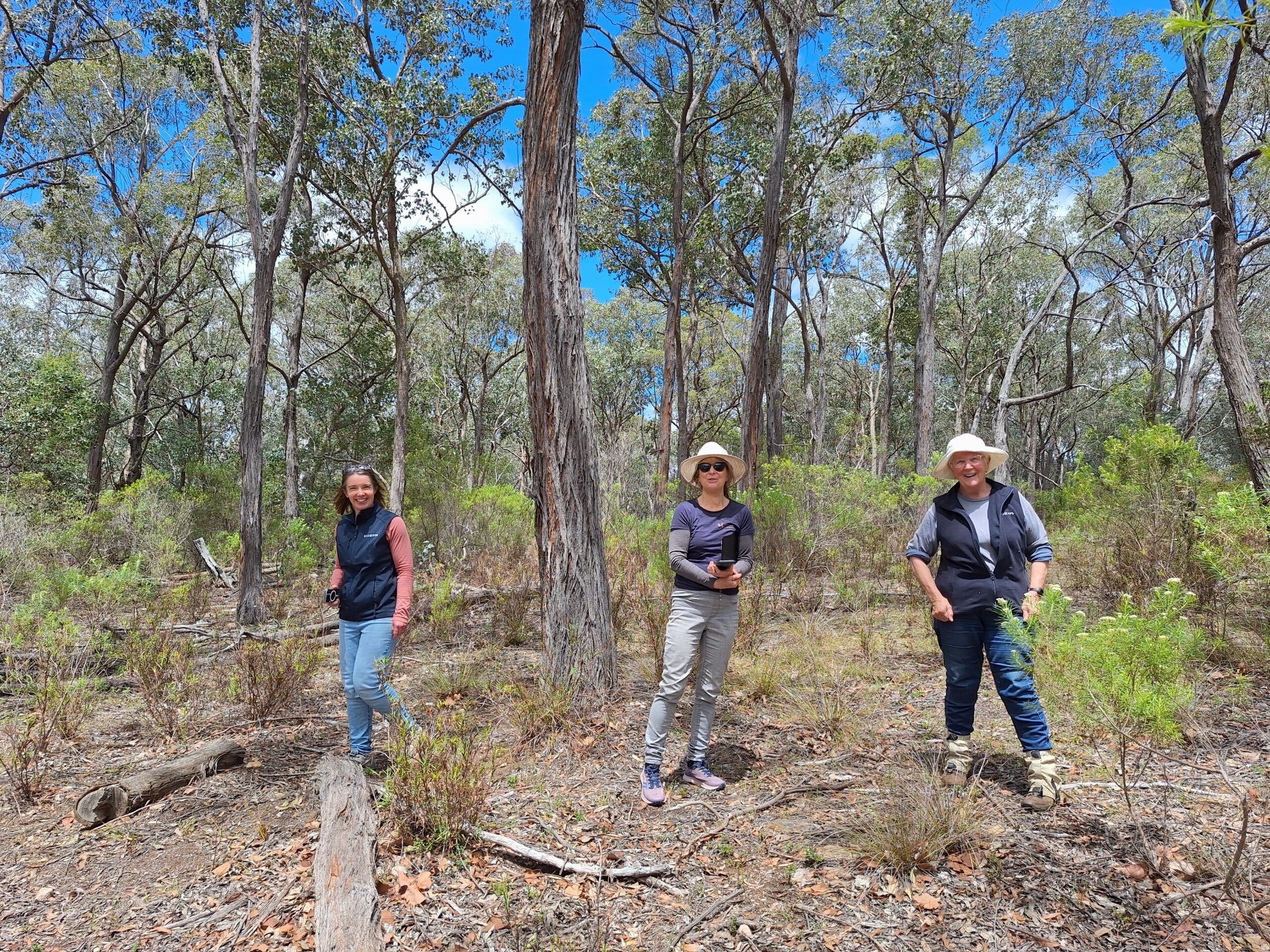
EcoGipps land stewards, Caroline Trevorrow (left) and Heather Phillipson (right) with BioDiversity Legacy’s Robyn Edwards (middle).
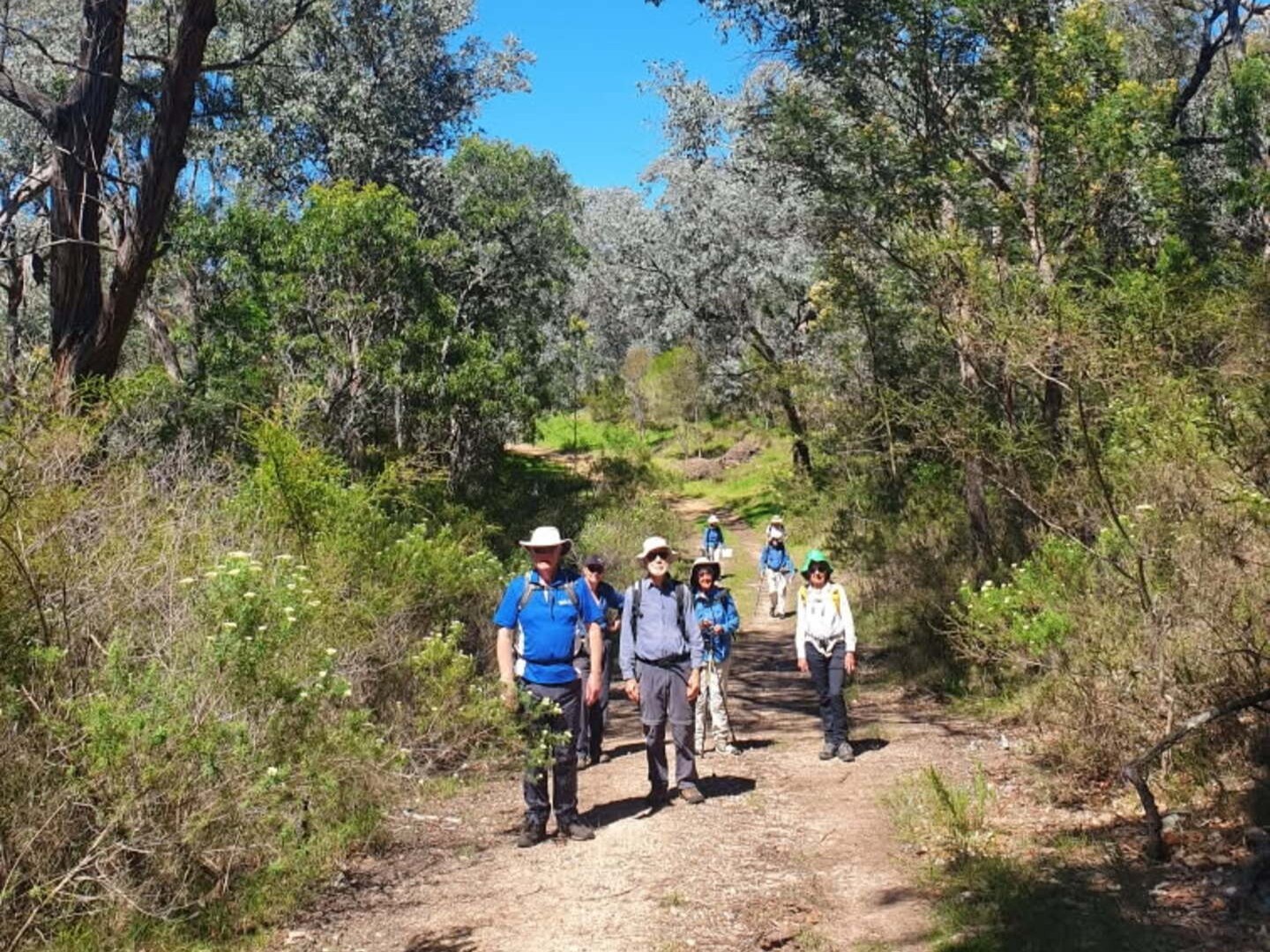
Members of the local Ben Cruachan Walking Club meet and enjoy a day out on North Paddock.
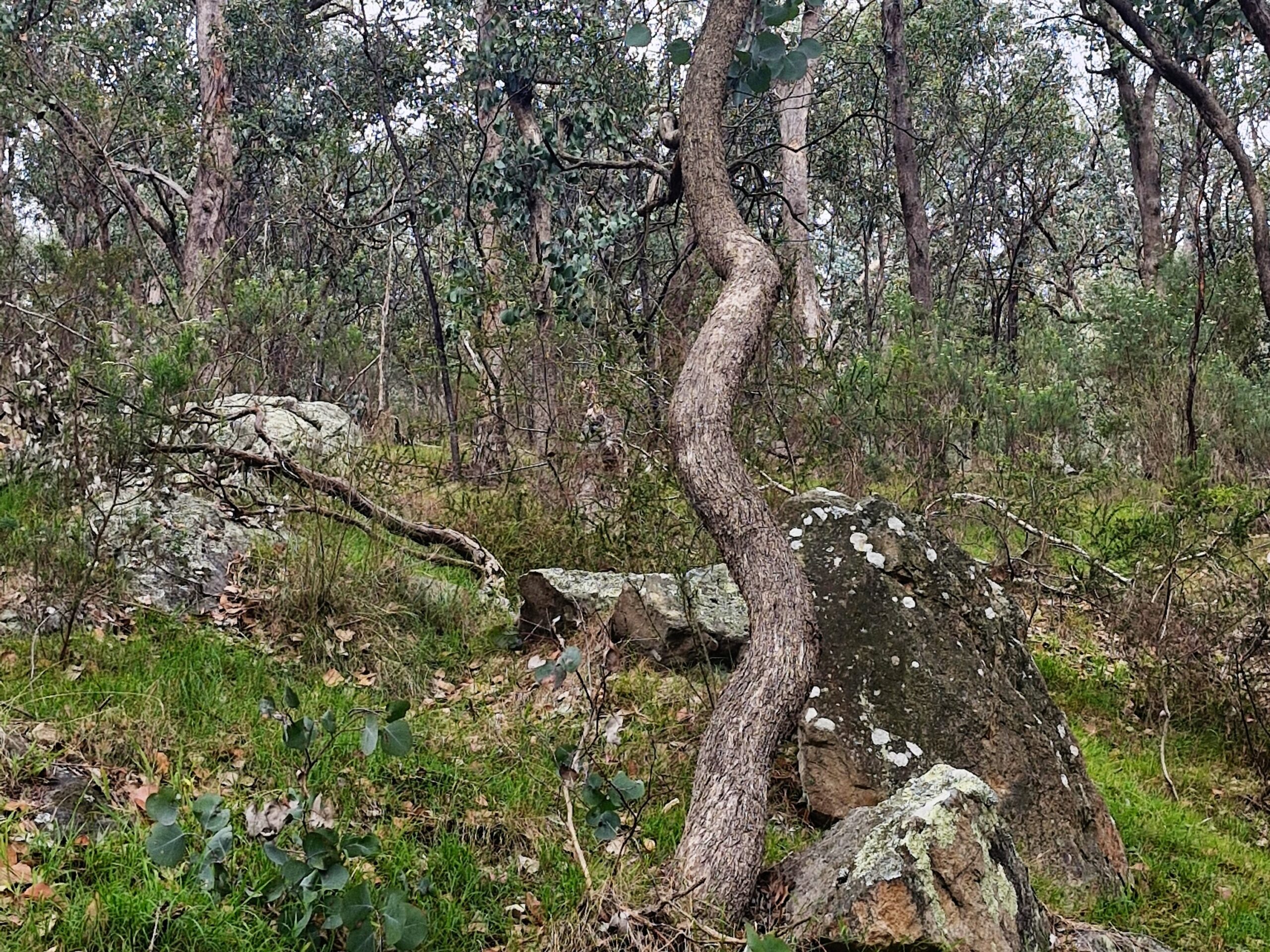
North Paddock’s canopy of White and Red Stringybark and Blue/Red Box eucalypts with a large shrub layer and a ground layer rich in herbs, grasses and orchids.
Ecological values
North Paddock’s ecological importance is exceptional. The property meets four objectives of the Trust for Nature Statewide Conservation Plan and is rated “Very High” for its conservation significance. Several habitat types have also been identified as depleted or endangered by the Department of Energy, Environment and Climate Action, based on EVC benchmarks. Its ecosystems include:
- Lowland Forest — least concern.
- Lowland Herb-rich Forest — eucalypts with a large shrub layer and a ground layer rich in herbs, grasses and orchids — depleted.
- Swamp Scrub — dense shrubby sedgeland on swampy ground — endangered.
- A canopy of White and Red Stringybark and Blue/Red Box eucalypts.
- A rare tea-tree soak, part of a remnant swampy lowland system that may support uncommon grasses.
Additionally, stands of the Critically Endangered Avon Peppermint (Eucalyptus ornans) are being established to support recovery efforts.
Rare and threatened flora
- Avon Tussock-grass (Poa orthoclada) — newly described and rare
- Bushy Hedgehog Grass (Echinopogon caespitosus var. caespitosus) — endangered
- Rough-grain Love-grass (Eragrostis trachycarpa) — endangered
- Heath Platysace (Platysace ericoides) — endangered.
- Muttonwood (Myrsine howittiana) — endangered
- Purple Beard Orchid (Calochilus robertsonii) — vulnerable
Wildlife recorded or expected to return
- Dingoes
- Microbats
- Emus
- Goannas
- Brush-tailed Rock-wallabies
- Eastern Grey Kangaroos
- Wombats
North Paddock also hosts seasonal Birds on Farms surveys, with more than 140 bird species recorded. Highlights include:
- Swift Parrots
- Gang-gang Cockatoos
- Painted Button-quails
- Bassian Thrush
- Leaden Flycatcher and Spotted Quail-thrush
- Channel-billed Cuckoos
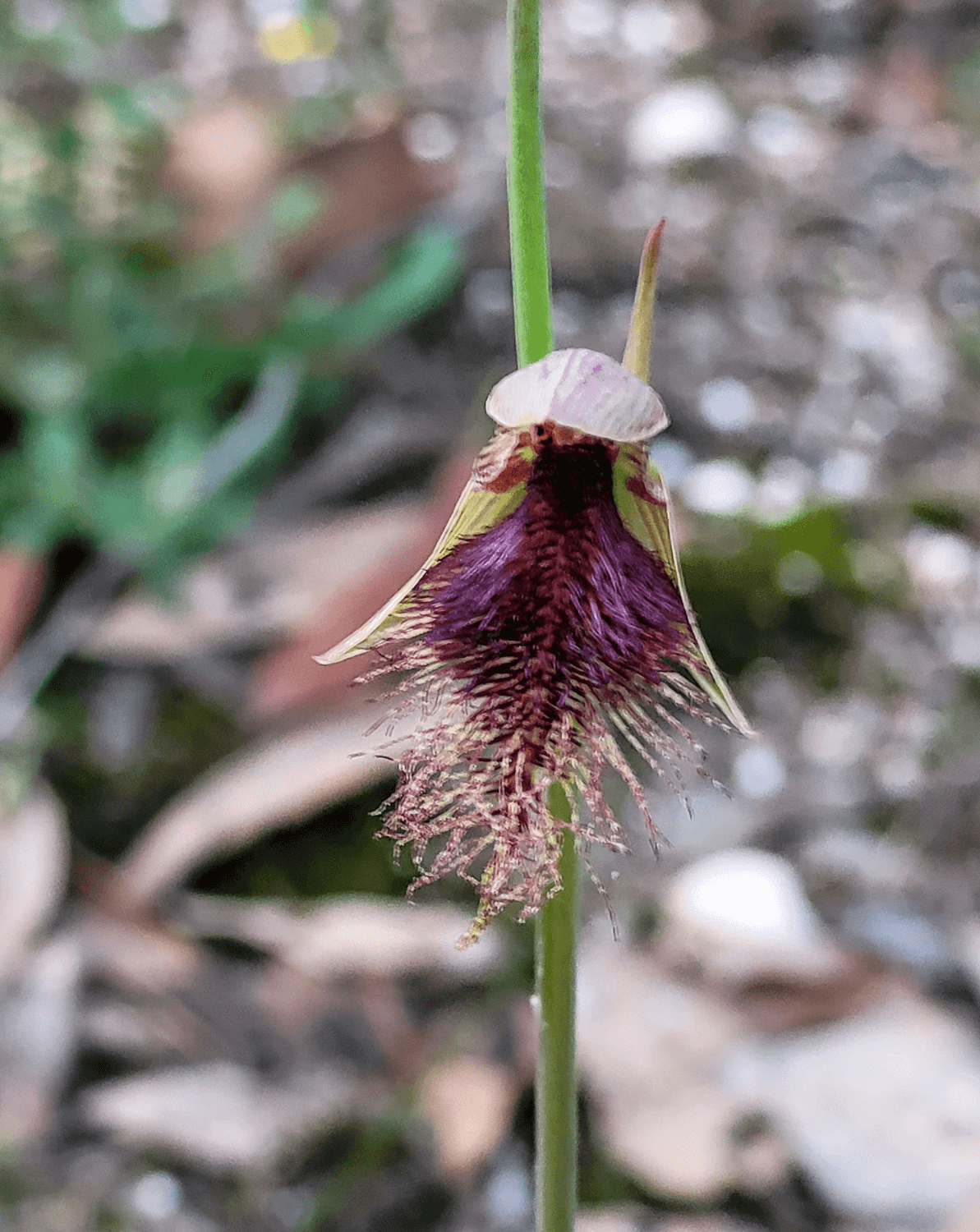
Purple Beard Orchid (Calochilus-robertsonii) recorded on North Paddock.
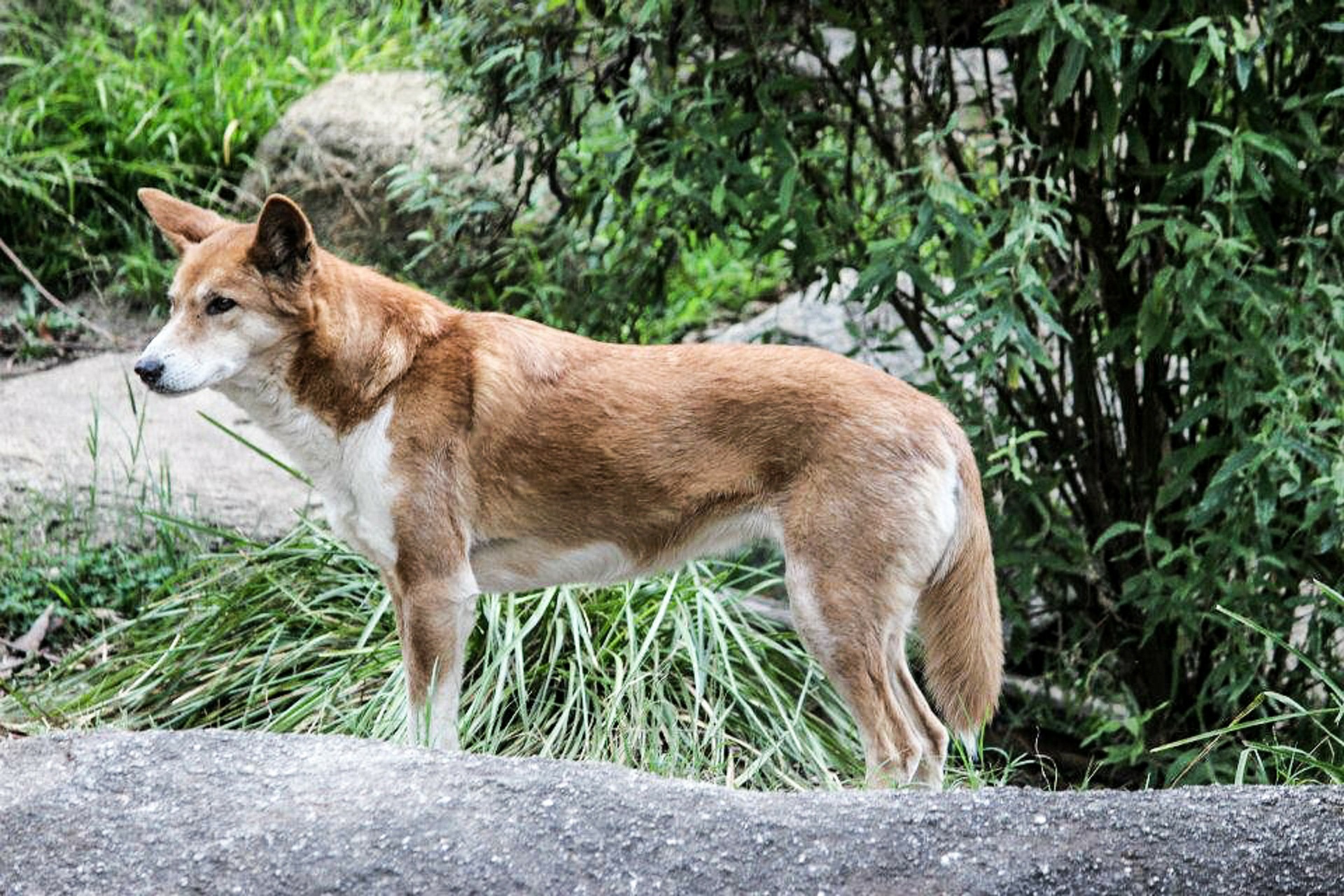
Gippsland supports the vast majority of Victoria’s dingo population.
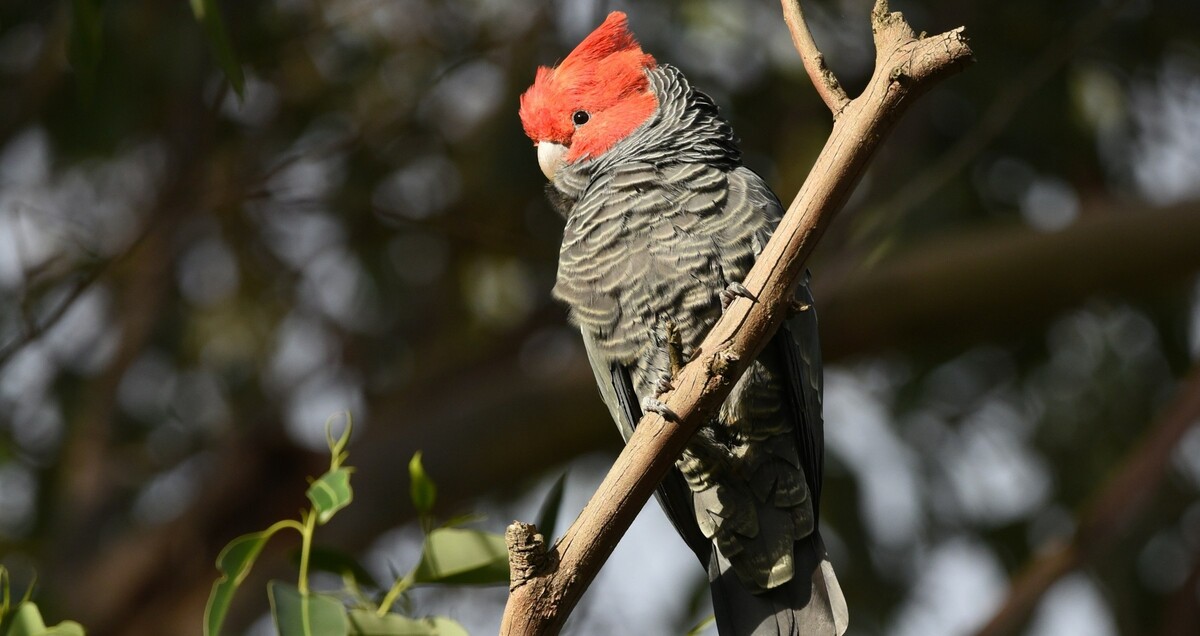
North Paddock could provide habitat for the Gang-gang Cockatoo. Photo: Geoffrey Moore via Unsplash
Stewardship
With the support of volunteers, ecologists, landscape specialists and local community members, North Paddock will continue to be managed by EcoGipps.
Heather Phillipson, who also cares for the family’s neighbouring home site on the Wirn wirndook Yeerung — Macalister River — continues to play an active role in stewardship alongside Stewardship Coordinator Caroline Trevorrow. Restoration and management priorities will include:
- Strengthening biolinks and habitat corridors.
- Enhancing the condition of endangered and depleted vegetation types.
- Ongoing weed, pest and erosion management.
- Supporting threatened species recovery.
- Expanding monitoring, community involvement and citizen science.
Next steps
With North Paddock now protected for future generations through a Trust for Nature covenant on title and BioDiversity Legacy’s safe ownership structure, the Phillipsons have turned their attention to stewardship — through active involvement in EcoGipps — and to donating two further properties, together totalling 253 hectares, to BioDiversity Legacy in the coming years.
This extraordinary act of generosity serves as a powerful example for landholders and communities seeking to safeguard the landscapes they love and leave a living legacy for future generations.