Nature Recovery Foundation - Bass Coast, Victoria
The Nature Recovery Foundation is a new regional model helping protect, restore and reconnect landscapes across Bass Coast through local partnerships, community engagement and support from BioDiversity Legacy.
A new regional model for nature recovery
Bass Coast Shire Council, in partnership with BioDiversity Legacy, has formally established the Nature Recovery Foundation — an innovative regional model designed to protect, restore and reconnect landscapes across public and private land.
The project addresses a challenge faced by many councils and policymakers across Australia: conservation efforts can only go so far when many of the landscapes most critical to biodiversity recovery lie beyond the boundaries of public reserves.
While councils play an important role in managing parks, coastlines and bushland, long-term nature recovery also depends on protecting and restoring privately owned land and improving connectivity across whole landscapes.
In response to this challenge, Bass Coast Council began exploring new conservation approaches with members of the Australian Land Conservation Alliance and others in the private land conservation sector.
These discussions led to a formal partnership with BioDiversity Legacy (BDL) in 2024 to explore how BDL’s land protection pathways could support long-term biodiversity outcomes across the region.
A shared pathway for nature recovery
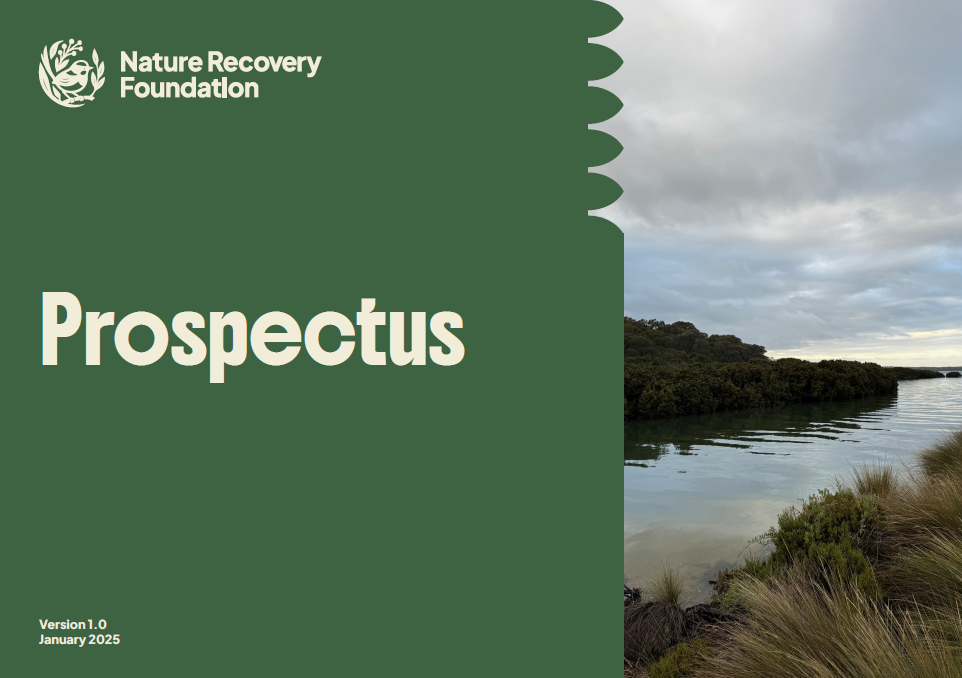
Built on BDL's Local Landholding Entity (LLE) framework, the Nature Recovery Foundation was formally established in late 2024, with a public prospectus released in May 2026 ahead of a community launch event in 2027.
Together, these milestones mark an important step toward a more collaborative, future-focused and community-enabled approach to nature recovery — one that brings together the strengths of local government, the not-for-profit sector, philanthropy and local communities within a shared regional framework.
Why Bass Coast Shire Council took action
Bass Coast Shire Council’s involvement in the Nature Recovery Foundation grew from a recognition that biodiversity recovery cannot be achieved through public reserves alone.
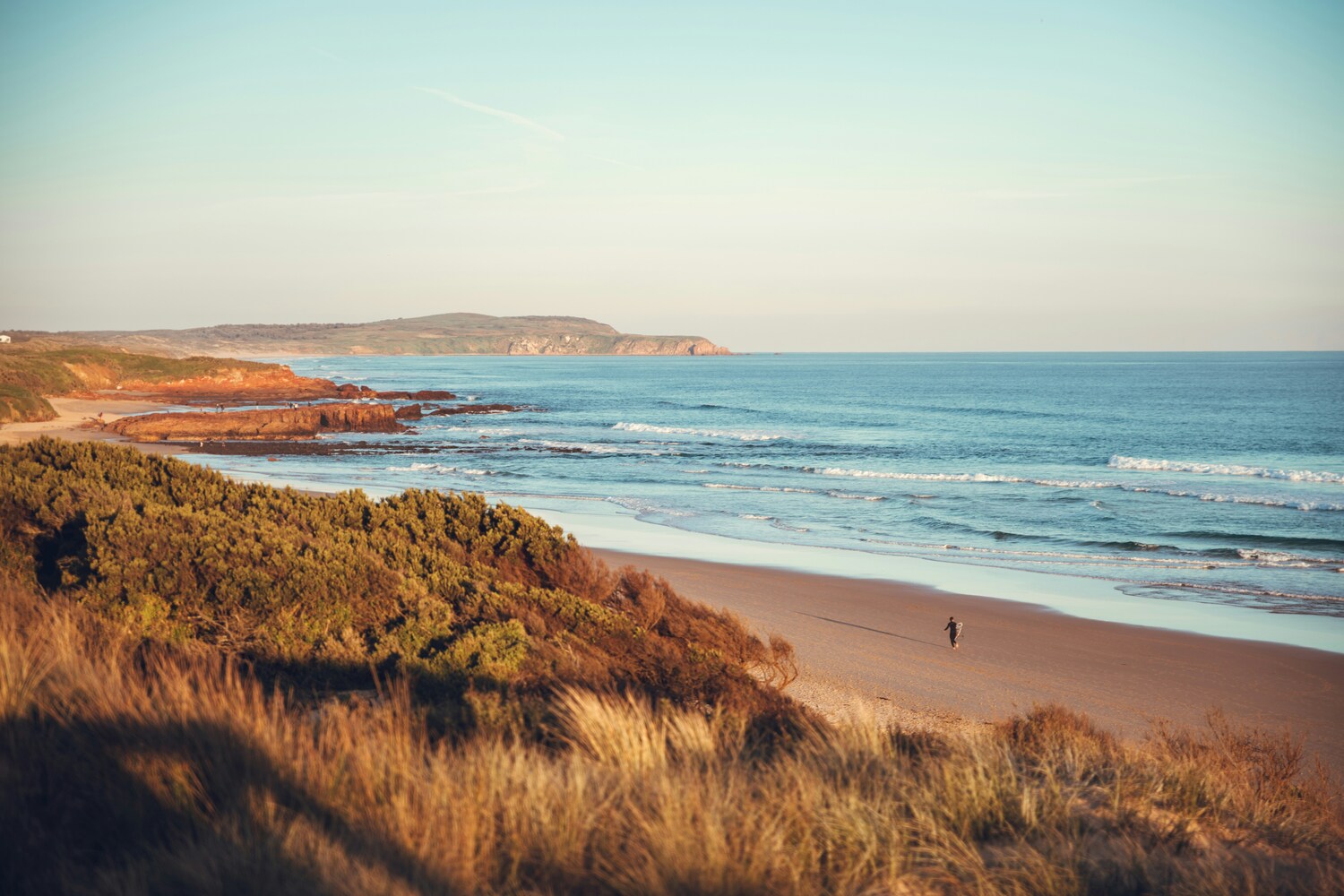
Like many councils across Australia, Bass Coast manages important natural assets — including 42 kilometres of coastline and around 100 hectares of bushland on Bunurong Country — yet much of the land critical to long-term habitat protection and ecological connectivity sits in private ownership.
At the same time, the region has lost more than 85% of its native vegetation since colonisation, leaving many remaining habitats fragmented or degraded.
Faced with these challenges, Council began exploring how it could play a more active role in enabling conservation beyond the boundaries of public land.
The Nature Recovery Foundation prospectus now sets out a bold regional ambition: to bring 30% of Bass Coast land into active environmental care through protection, restoration and long-term stewardship partnerships.
How the model works
The Nature Recovery Foundation is structured as a charitable, not-for-profit Local Landholding Entity designed to support long-term nature recovery across the Bass Coast region. Under the model, the Foundation can:
- acquire land
- receive donations of land and funds
- hold land permanently for conservation purposes
- appoint local groups to manage and restore protected places
- provide strong governance, accountability and continuity over time.
This creates clear pathways for landholders, donors, community groups and investors to contribute — whether by donating land, funding strategic acquisitions, supporting restoration or participating in community-led conservation.
By bringing these pathways together within a single regional framework, the Foundation enables greater coordination, scale and long-term impact than traditional approaches alone..
A scalable model for collaboration
While Bass Coast Shire Council has pioneered the Nature Recovery Foundation, the model is now being taken up and adapted by other councils in different regions, reflecting growing interest in new approaches to regional nature recovery.
Not only is local government uptake an exciting signal of momentum, but the model’s partnership-flexible design also means it is being explored as a collaborative framework across other government and non-government organisations, community and Traditional Owner groups.