Nearly 30 hectares of the Painkalac Valley – the largest and most significant estuarine wetland on Victoria’s Great Ocean Road – will now be protected and restored following a lease agreement secured by BioDiversity Legacy.
The Painkalac Project is a locally driven initiative that will see the return of a working floodplain with significant benefits to the area.
The benefits include an increase in the numbers and species of indigenous flora and fauna. A smaller private restoration project further up the valley has seen dormant seeds of wetland plants regrow and many animal, insect and wetland-dependent bird species return to an enriched environment over the past seven years.
A working floodplain will reduce downstream flood risks by diverting water into ephemeral wetlands and lower the number of artificial openings of the inlet needed to release excess river flow.
Allowing the floodplain to recover and retain more water in the valley soil will also result in a cleaner creek as its waters are filtered by the wetlands.
Community action
The new future for the valley has been made possible through a donation from two local community members – both long-standing members of local community groups – the Anglesea and Aireys Inlet Society for the Protection of Flora and Fauna (Angair) and the Aireys Inlet and District Association (AIDA).
The donation has provided funds for the acquisition of the existing 99-year lease, as well as providing money to support the long-term management of the land.
A community-based organisation, the Painkalac Project, will manage the land. The group will be guided by a science-based masterplan for the ecological restoration of the valley, which will be developed in consultation with the local community and relevant organisations, including CFA, Forest Fire Management, DEECA, Barwon Water, the Great Ocean Road Coast and Parks Authority, the Corangamite Catchment Management Authority, the Surf Coast Shire, AIDA and Angair.
The group looks forward to working with the Wadawurrung Aboriginal Corporation as the plan is developed and implemented.
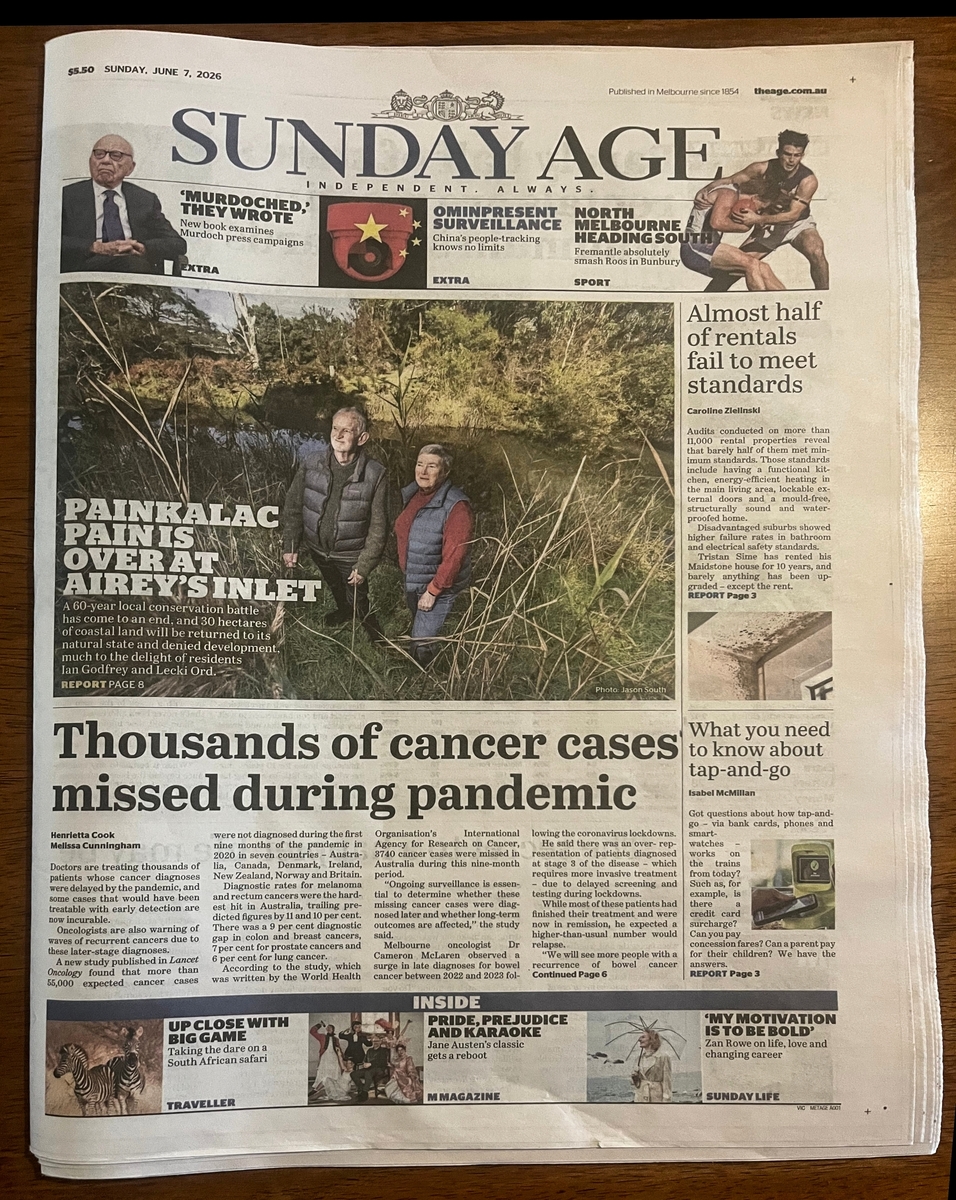
The Painkalac Project made front-page news, featuring on the cover of The Sunday Age on 7 June 2026.
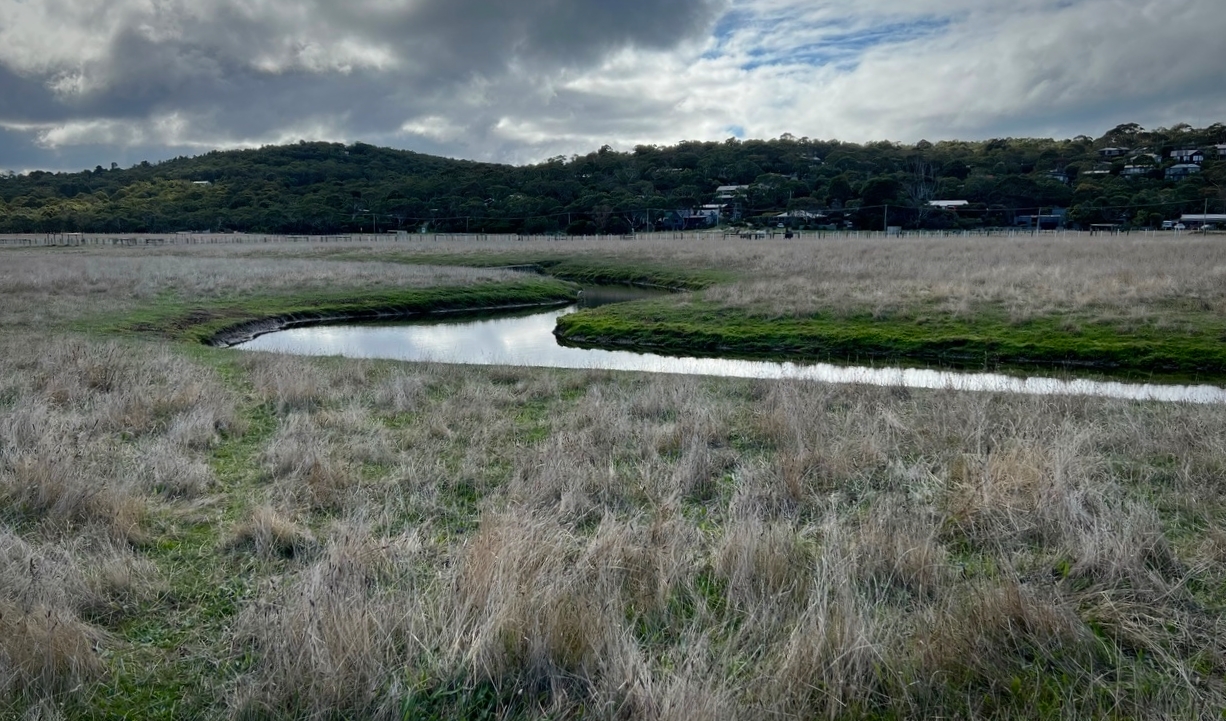
Painkalac Valley – view towards Aireys Inlet.
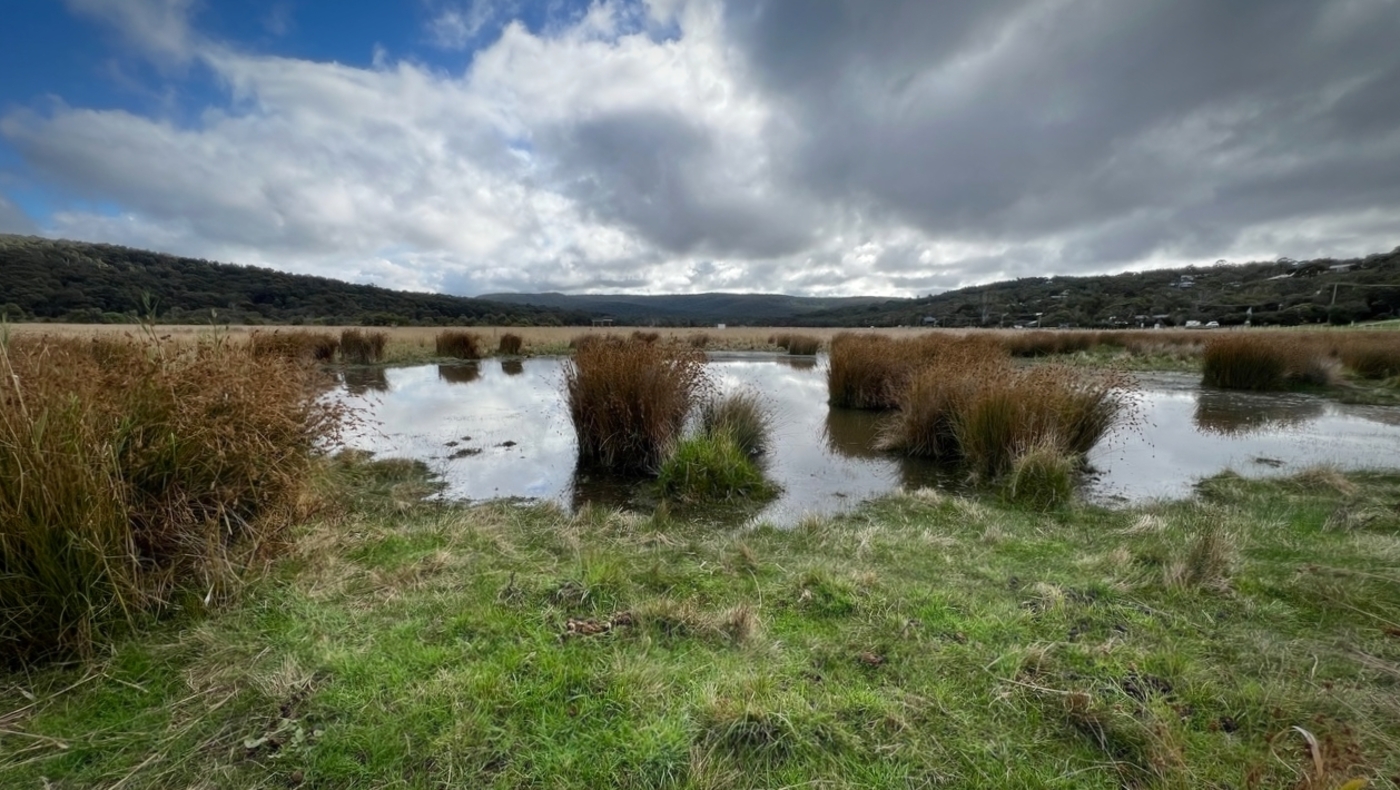
Painkalac Valley Floodplain 4
BioDiversity Legacy’s support
BioDiversity Legacy has developed a pioneering approach to protecting land for biodiversity by supporting the establishment of community-governed not-for-profits and facilitating the transfer of land titles into these safe ownership structures. These not-for-profits – called Local Landholding Entities – are purpose-built with effective governance to ensure that conservation properties are protected into the future.
The approach benefits people as well as biodiversity, as it enables individuals and communities to ensure the ongoing protection of natural spaces that are valuable to them, beyond their lifetimes.
BioDiversity Legacy provided considerable support that made the Painkalac Project possible, including working closely with the landholders, community members, and liaising with partners, lawyers and others that enabled the land to be secured for future generations.
“We’re just so excited to see this project come into fruition for the Painkalac communities, and to have played our part in making it possible,” said BioDiversity Legacy’s Jyoti Kala.
“BioDiversity Legacy is a not-for-profit, and we don’t charge a fee for the services we provide. We rely on philanthropic donations, grants, and voluntary contributions from those who value our work. We invite those who benefit from our services to make a tax-deductible donation in support of our mission.”