Deep in the forests of East Gippsland, a major recovery project led by Gippsland-based ecological and environmental management group Wildlife Unlimited has concluded, providing essential data to inform future captive breeding, translocation and climate adaptation strategies.
BioDiversity Legacy was an early proponent of the project, supporting a successful application to the Victorian Government’s Nature Fund in 2025, enabling Wildlife Unlimited to deliver the work in partnership with a range of collaborators. Also supported by the Rendere Environmental Trust, the program reflects the practical, enabling role needed to move from conservation concern to long-term recovery action.
A decade-long pathway for recovery
Once widespread across Victoria, the Spot-tailed Quoll is now listed as Endangered under the Environment Protection and Biodiversity Conservation Act. The Upper Snowy River region of Gippsland remains one of the species’ last important strongholds in the state, but even here, populations continue to decline.
The project brought together scientists, government agencies, conservation organisations and Traditional Owners to gather the evidence needed to guide future recovery work.
Over the course of the program, members of the Wildlife Unlimited team hiked for hours into remote areas of the East Gippsland wilderness on multiple field trips to monitor quoll activity and collect genetic samples from communal latrine sites for population analysis.
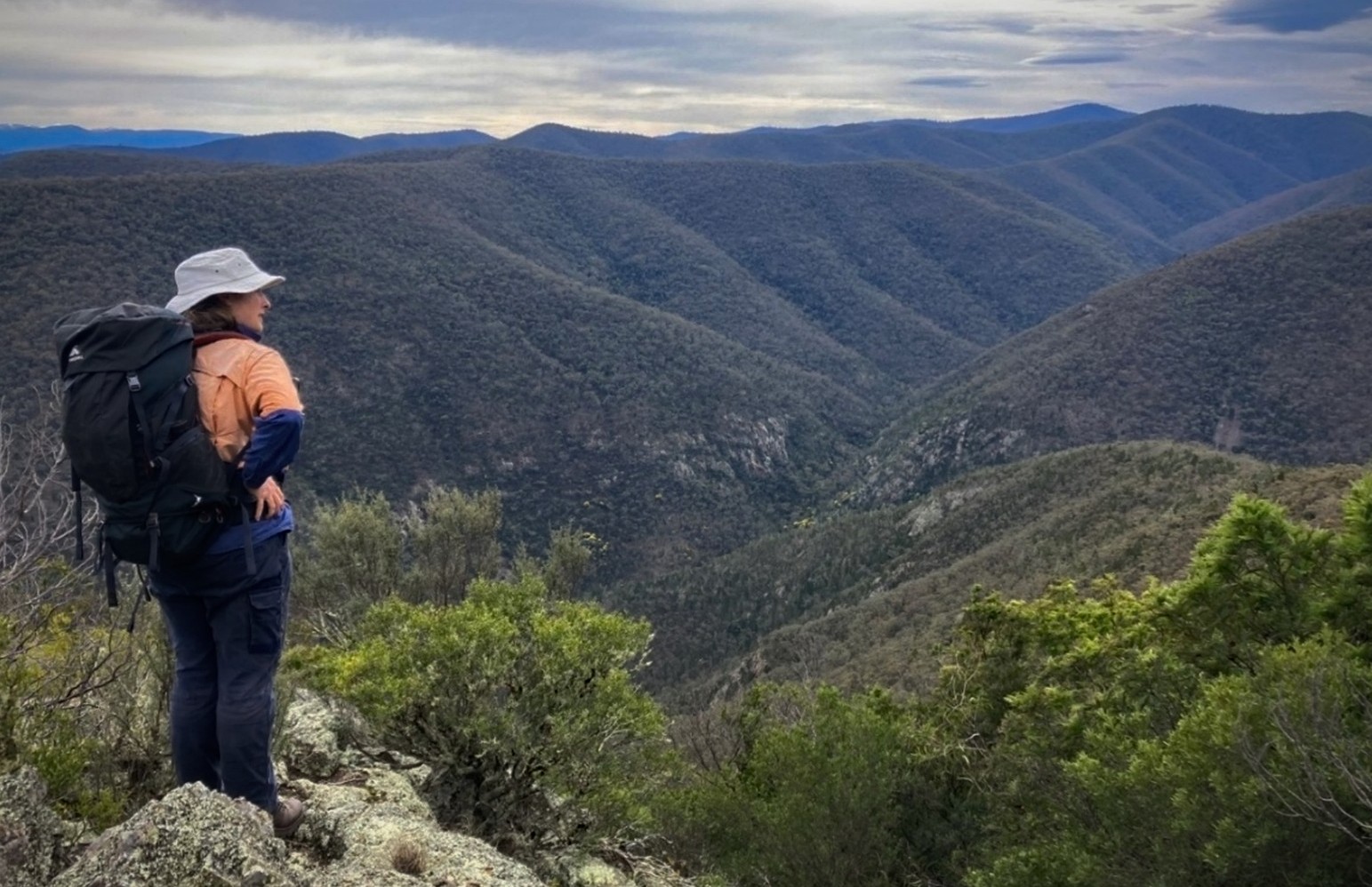
Using 4G-enabled cameras, the team captured real-time images of quoll movements during the breeding season (pictured left: Wildlife Unlimited's Willow Bourke on location).
“We were able to determine where Spot-tailed Quolls remain active in the landscape and where patterns of decline continue,” explained Wildlife Unlimited’s Rachael Bartlett.
“Scat from active sites was collected for genetic analysis, increasing our understanding of the declining southern edge of the species’ mainland range. They are mysterious and elusive animals, and core baseline monitoring is essential to support further targeted surveys and recovery action.”
The data gathered has already informed three key areas of future recovery work:
- a Captive Breeding Strategy and Framework led by Odonata’s Mount Rothwell team
- a Translocation Strategy led by Wildlife Unlimited
- climate suitability modelling by Cesar Australia to better understand where Spot-tailed Quolls may persist under future climate scenarios.
The work is already building momentum. In July, Wildlife Unlimited received a Bank Australia Community Customer grant to continue monitoring quoll sites using solar-powered cellular cameras in three remote locations.
Subject to further funding, the broader project can now move towards implementing the strategies and recovery actions developed through the program.
While the project has focused on East Gippsland, its significance extends beyond the region. Collaboration with partners in southern New South Wales is helping build a clearer picture of the quoll population spanning the Victorian–NSW border. Recent and historical sightings in northern Gippsland are also important, particularly as the species’ range has contracted from across much of Victoria to a population now largely confined to Gippsland.
The project’s conclusion marks an important step in the long-term effort to protect and rebuild Spot-tailed Quoll populations. With stronger data, clearer strategies and committed partners in place, future recovery work can now be guided by a more robust evidence base, greater regional collaboration and a shared sense of urgency.