Connecting Wildlife, South Coast NSW
Connecting Wildlife is a locally governed conservation organisation protecting important habitat on the NSW South Coast. Established through BioDiversity Legacy’s Local Landholding Entity model, it began with Ned’s Forest near Meringo and is building a broader network of protected, community-stewarded land along the coast.
Community-led conservation on the NSW South Coast
On the South Coast of New South Wales, Connecting Wildlife Ltd is bringing local people together to protect and restore important habitat across the Eurobodalla region.
Established as a not-for-profit conservation organisation, Connecting Wildlife is focused on properties in and around Meringo and Congo, coastal hamlets close to Eurobodalla National Park. These landscapes include coastal woodland, rainforest gullies and habitat that supports threatened and significant native species.
As a Local Landholding Entity under BioDiversity Legacy’s land protection model, Connecting Wildlife provides a secure, locally governed structure to hold land for conservation. It partners with landholders, community members and local groups to protect high-value habitat, strengthen landscape connectivity and build regional biolinks across the South Coast.
First protected property: Ned’s Forest
Connecting Wildlife’s first protected property is Ned’s Forest, an 80-acre parcel of coastal woodland and rainforest gullies near Meringo.
Identified as vulnerable to subdivision, the property was secured to protect its biodiversity and connectivity values. Ned’s Forest provides important habitat for native species including Greater Gliders and Powerful Owls, and is managed with the involvement of members of the Meringo community.
The property is also part of the Wildlife Land Trust and is being protected through a Biodiversity Conservation Trust covenant.
From one property to a regional platform
Ned’s Forest is the starting point for a broader conservation effort.
Bordering the property is a network of smaller landholdings identified for their biodiversity and connectivity values. Through ongoing engagement with landholders, Connecting Wildlife aims to steadily add new titles under a shared governance framework.
Over time, this will help build a resilient, community-led conservation network through Meringo, Congo and beyond.
Why Connecting Wildlife was needed
Connecting Wildlife grew from a clear local need.
Community members had previously tried to protect ecologically significant land near Mossy Point, including habitat for Yellow-bellied Gliders and feed trees for Glossy Black-Cockatoos. While the ecological value of the land was recognised, there was no suitable organisation able to hold and steward the property over the long term.
That experience highlighted a broader gap in the conservation system: local communities could identify important habitat and mobilise support, but often lacked a secure mechanism to hold land permanently for nature.
BioDiversity Legacy’s Local Landholding Entity model was created to help address this gap.
BioDiversity Legacy’s role
BioDiversity Legacy helped establish Connecting Wildlife as a not-for-profit company limited by guarantee, creating the legal and governance structure needed to hold land securely for conservation.
BDL also supported the acquisition of Ned’s Forest, helped facilitate the Biodiversity Conservation Trust covenant, and supported the property’s registration as a Wildlife Land Trust site.
As Connecting Wildlife has matured, BDL has supported its transition to a locally governed board. This enables local leadership while maintaining the long-term safeguards needed to ensure protected land remains protected.
The model separates ownership from stewardship. Connecting Wildlife can hold land title securely, while day-to-day care can be carried out by the people and groups best placed locally, including community members, neighbours, Landcare networks and ecological specialists.
A milestone for the South Coast
On 9 May 2026, around 80 people gathered at the Eurobodalla Regional Botanic Gardens for the official launch of Connecting Wildlife.
The event marked an important transition from a BioDiversity Legacy-supported initiative to a locally governed conservation organisation with a regional board and a growing role in protecting habitat across the South Coast.
For many attendees, the significance was clear: Connecting Wildlife is not only about one property. It is a practical structure that enables communities to protect land permanently, respond to future conservation opportunities and build lasting biolinks across the region.
Looking ahead
Connecting Wildlife is part of a growing network of Local Landholding Entities emerging across Australia through BioDiversity Legacy’s national framework.
BioDiversity Legacy will continue to support Connecting Wildlife with governance and technical advice where needed, helping strengthen its systems and ensure the integrity of the model as it grows.
Through Connecting Wildlife, local people now have a dedicated conservation vehicle to protect the places they value — for nature, community and future generations.
Connecting Wildlife logo and launch poster, May 2026.
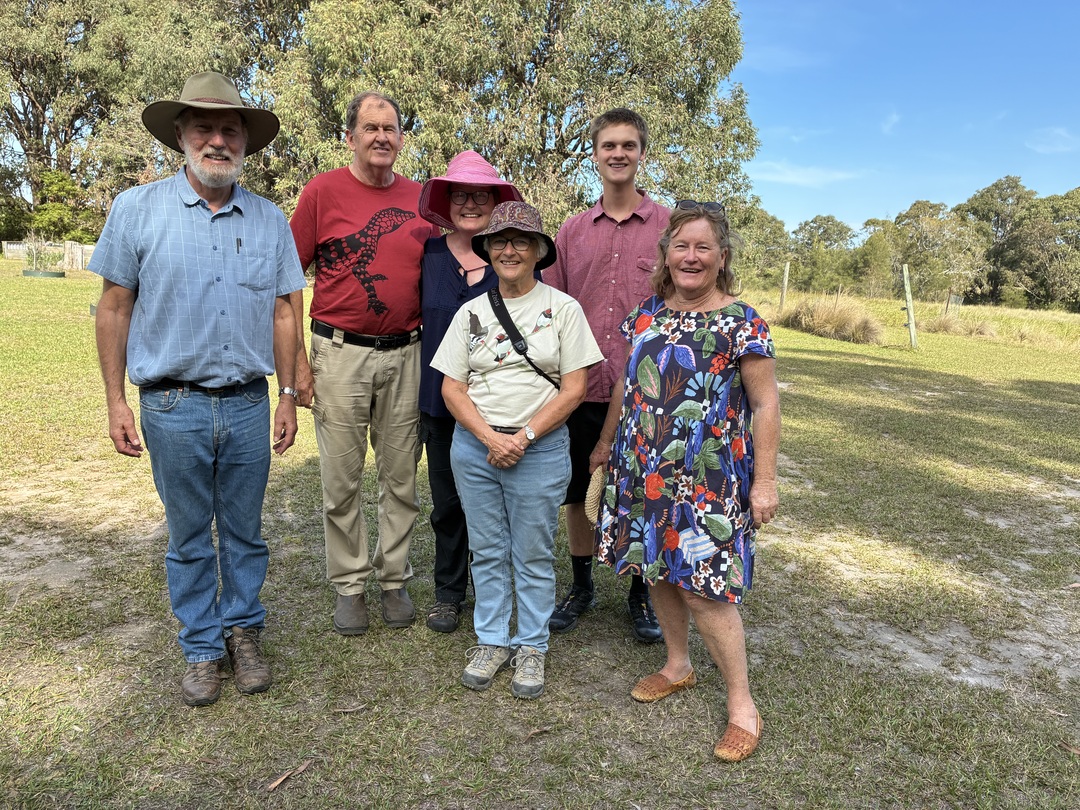
The community around Meringo and Congo on the South Coast come together to protect the landscapes they love.
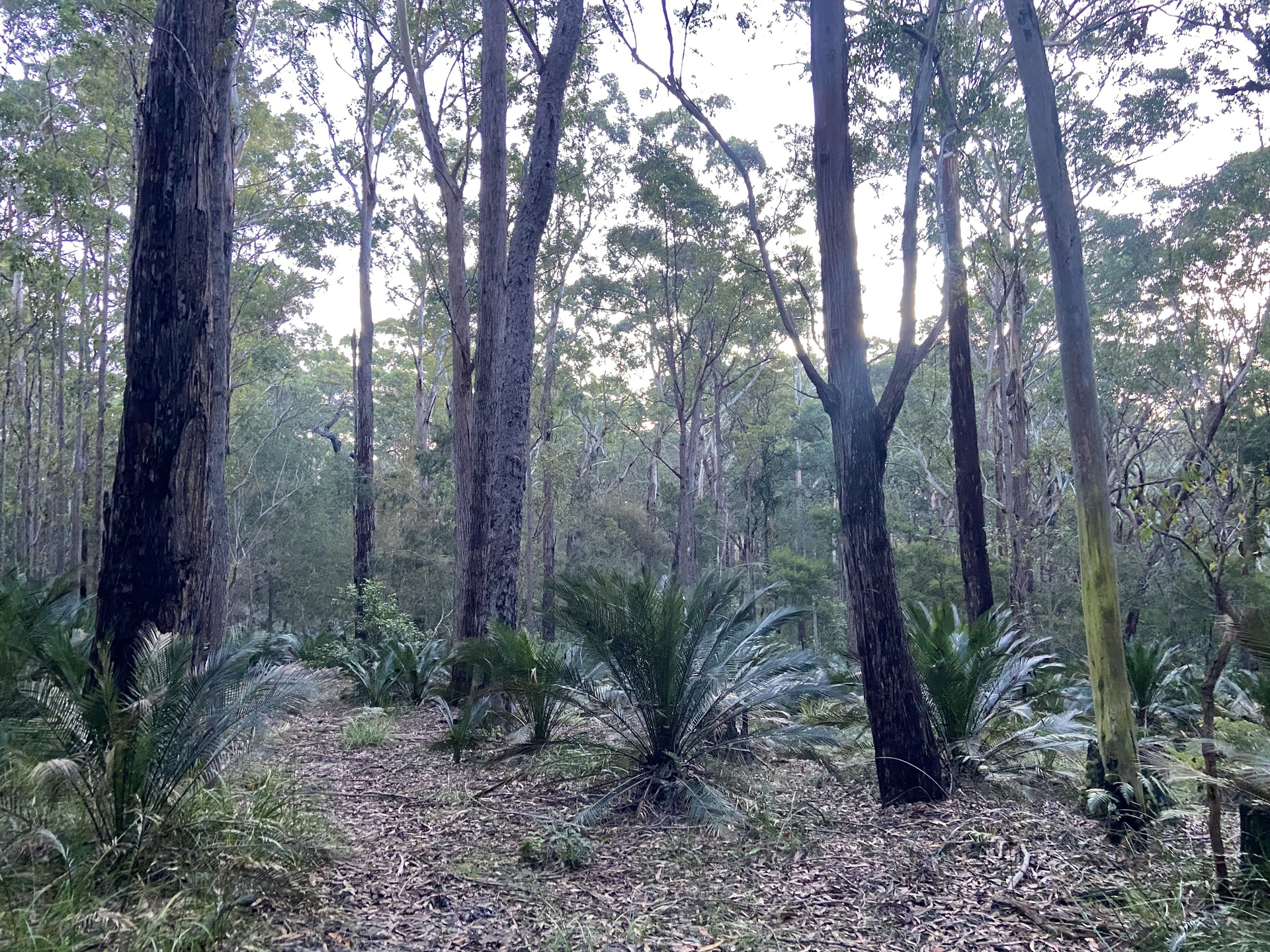
Habitat on Ned’s Forest Meringo, NSW. Photo by Robyn Gower.