Little Dog Island - South Gippsland
In 2024, a group of philanthropists, botanists, carbon experts and researchers came together to protect Little Dog Island, a 60-hectare coastal saltmarsh sanctuary within South Gippsland’s iconic Nooramunga Marine and Coastal Park.
Little Dog Island: A Catalyst for Coastal Protection
In September 2022, Nooramunga Land & Sea acquired Little Dog Island, a 60-ha island in South Gippsland’s Corner Inlet.
Nestled within the sheltered estuarine waters of Nooramunga Marine and Coastal Park, the island forms part of a wetland of international significance recognised under the Ramsar Convention. It is an outstanding example of coastal saltmarsh and associated ecosystems, providing vital habitat for wildlife, including migratory shorebirds, threatened fauna and rare coastal plants.
Little Dog Island came up for sale in March 2022. When leading Victorian botanist Tim D’Ombrain was alerted to the sale, he recognised the island’s ecological importance and was determined to find a way to protect it.
He reached out to other experts and regional supporters, including botanist Karl Just, Dr Steve Enticott of Carbon Landscapes and Jim Phillipson of Rendere Environmental Trust. Together, they gathered the resources and support needed to secure the island.
In the process, they established Nooramunga Land & Sea Ltd — a BioDiversity Legacy Local Landholding Entity created to hold and protect land for conservation. The same entity later acquired nearby Bullock Island, extending protection across this important coastal landscape.
For this dedicated group, Little Dog Island became a catalyst for a broader vision: landscape-scale protection of coastal saltmarsh, mangroves, mudflats and associated estuarine ecosystems in South Gippsland.
Had the island not been protected, it may have been vulnerable to agricultural or recreational development — uses made possible by its inappropriate farming zoning.
Restoration and Research
Since the acquisition, the Nooramunga Land & Sea team has worked with local volunteers and partners to restore degraded areas, conduct ecological surveys and build a stronger understanding of the island’s conservation values.
This work has been supported by local volunteers, including BioDiversity Legacy’s South Gippsland Biolink Coordinator, Stuart Inchley. The team has also collaborated with researchers and conservation organisations, including Zoos Victoria, to monitor significant species, restore habitat and better understand the role these coastal landscapes play in biodiversity protection.
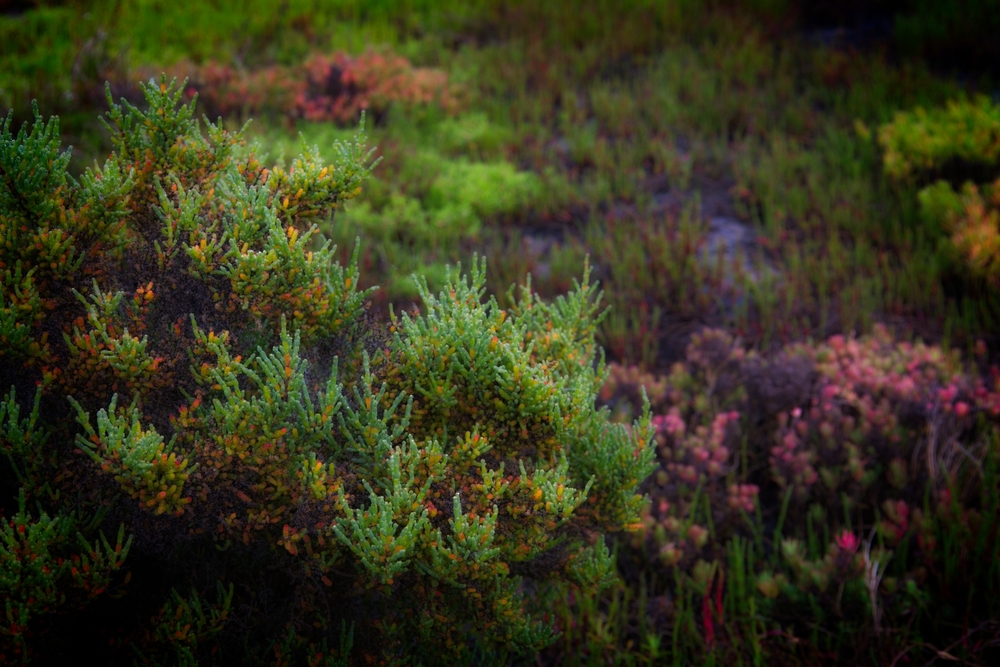
Shrubby Glasswort and other salmarsh plants in Venus Bay, Victoria.
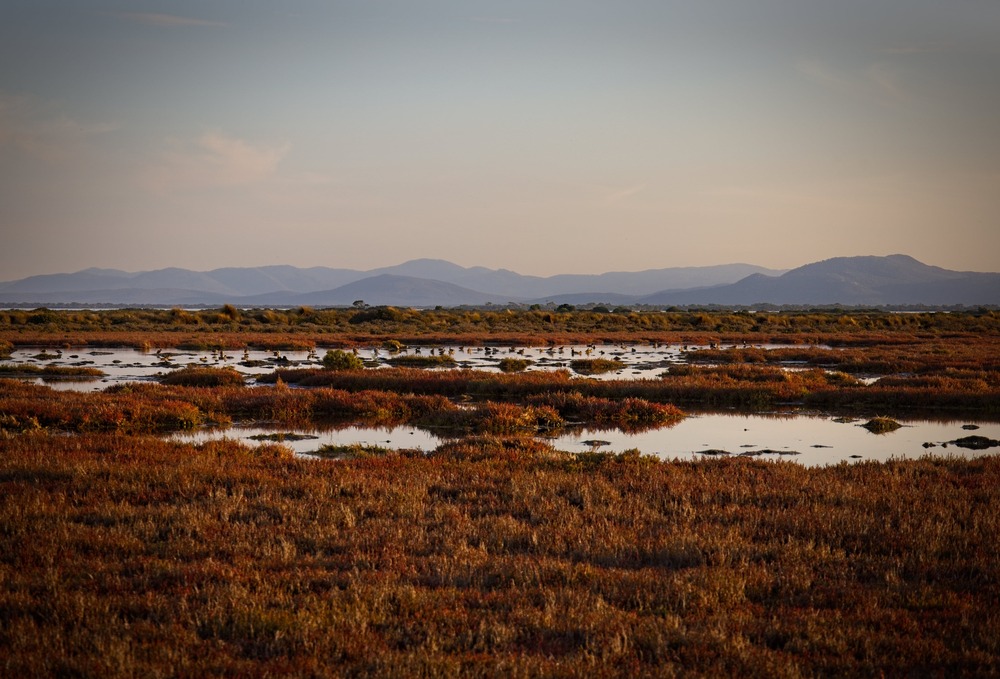
Extensive, pristine saltmarsh on Little Dog Island Landscape, with a view to Wilsons Prom in background.
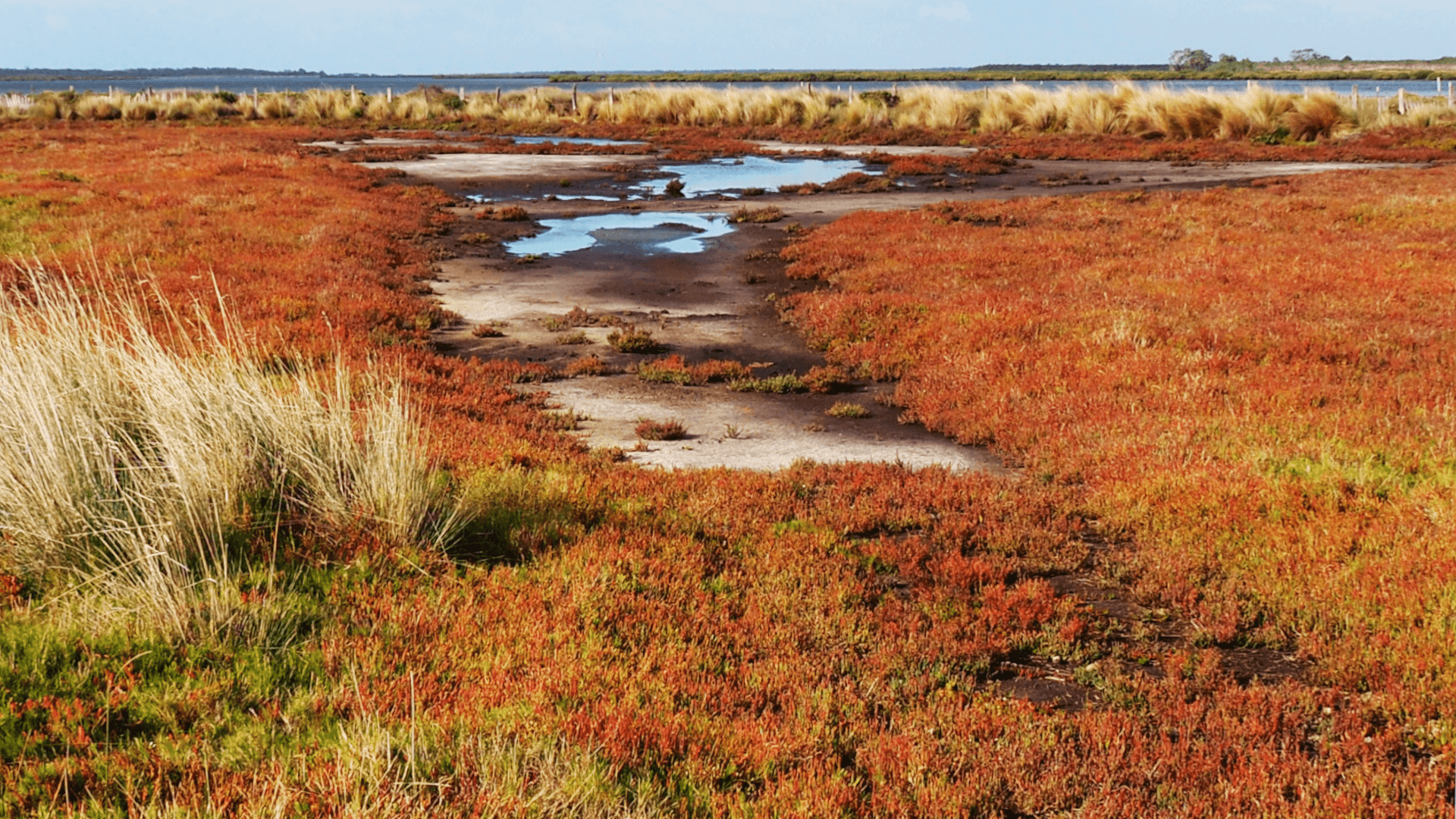
Saltmarsh species along a tidal creek adjacent to Little Dog Island.
A Distinctive and Diverse Ecosystem
The island supports a rich variety of native vegetation, including:
- Beaded Glasswort and Shrubby Glasswort, the latter a long-lived woody shrub that can survive for more than 100 years.
- Pigface, which flowers in vibrant pink across spring and summer
- Swamp Paperbark.
Austral Seablite and Austral Brooklime - Extensive White Mangrove forests, which provide fish nursery habitat and help stabilise shorelines
- Diverse wildflowers embedded within areas of healthy grassland.
Initial ecological surveys have identified at least six Ecological Vegetation Classes, known as EVCs, as well as extensive areas of federally listed ecological communities. The island also provides important habitat for threatened fauna, including the Endangered Swamp Skink.
Supporting Fisheries and Coastal Productivity
Little Dog Island’s value extends far beyond its beauty. Coastal saltmarsh and associated estuarine ecosystems store blue carbon, filter water, buffer coastlines from storm surges and provide important ecosystem services for the wider region.
Corner Inlet is one of Victoria’s oldest professional fisheries, supplying around 450 tonnes of seafood each year.
The mudflats, mangroves, saltmarshes and seagrass meadows in and around Little Dog Island provide food, shelter and nursery habitat for fish and other marine life. Protecting these ecosystems helps support not only biodiversity, but also the long-term health and productivity of the broader Corner Inlet system.
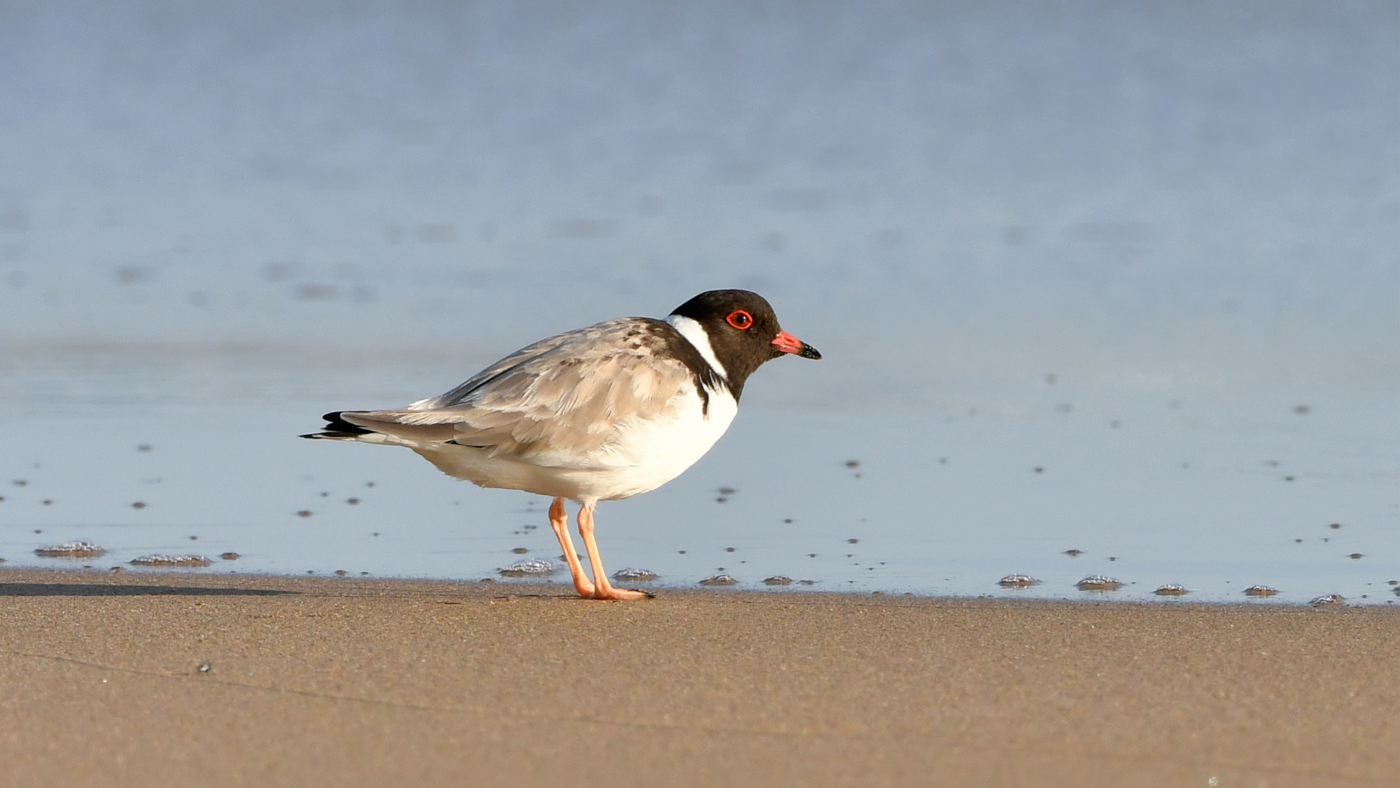
Hooded Plover.
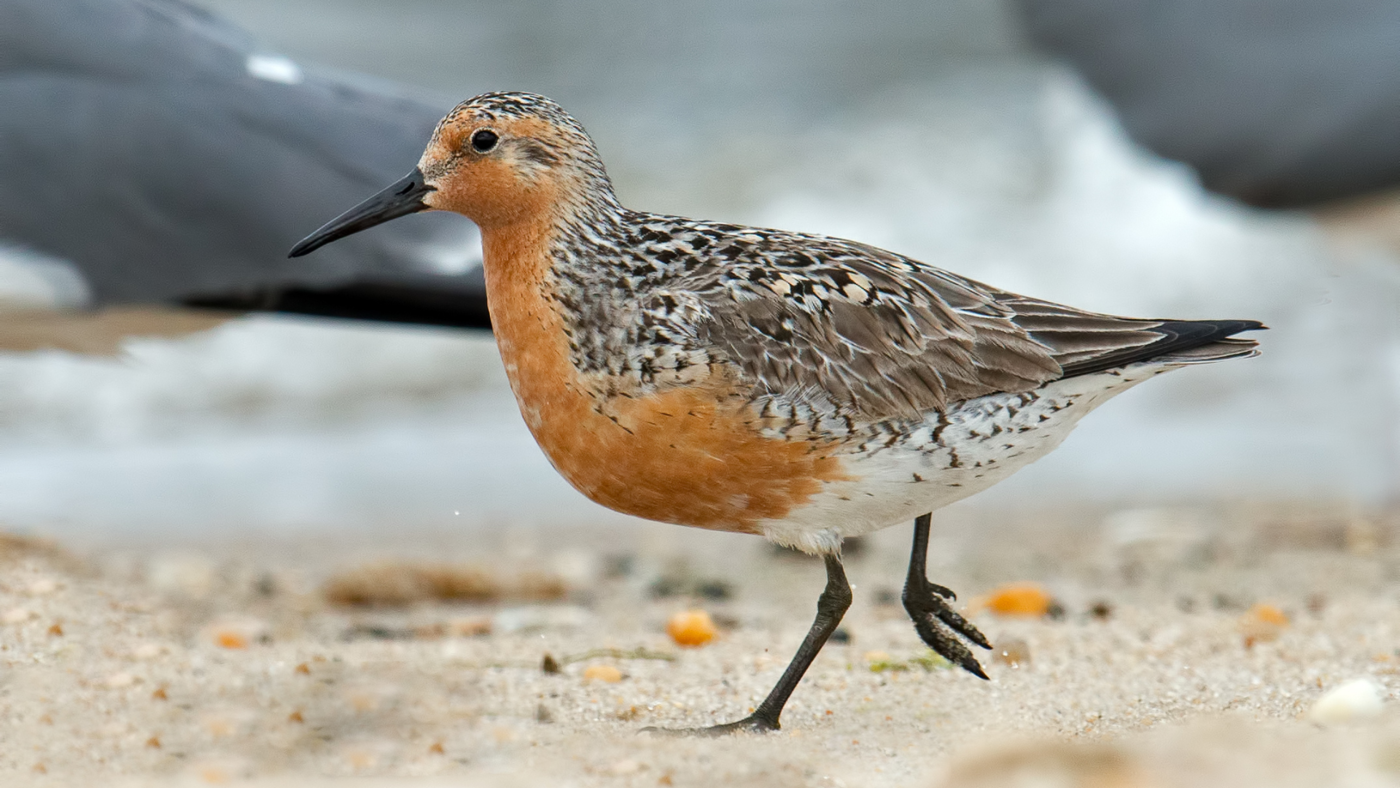
Endangered Red Knot.
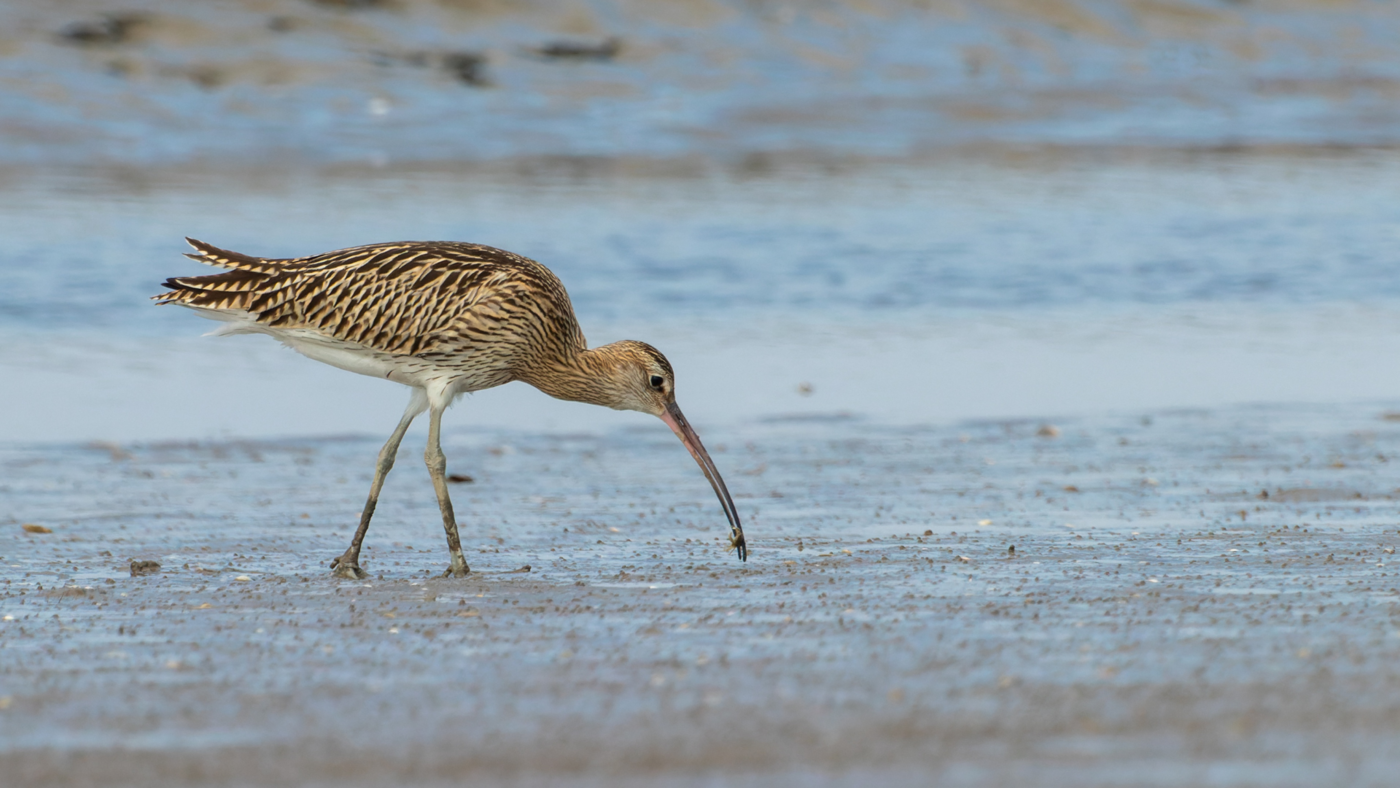
Far Eastern Curlew.
A Haven for Local and Migratory Birds
Corner Inlet is a crucial destination for migratory shorebirds, supporting around 20 per cent of Victoria’s wader population.
Each year, many shorebirds travel more than 10,000 kilometres from breeding grounds in the northern hemisphere to rest and feed on the rich mudflats and saltmarshes of south-eastern Australia. Located within a mosaic of estuarine islands, Little Dog Island provides an ideal refuge and feeding site.
Significant species observed or associated with the broader Corner Inlet landscape include:
- Critically Endangered species such as the Far Eastern Curlew, Great Knot and Curlew Sandpiper.
- Endangered species such as the Lesser Sand Plover and Red Knot.
Vulnerable species such as the Hooded Plover. - Other significant species including the Australian Grayling, Swift Parrot and a wide range of coastal and wetland birds.
The Nooramunga Land & Sea team is also working to support the return of the Critically Endangered Orange-bellied Parrot, one of the world’s rarest migratory birds. With fewer than 20 individuals recorded in the wild just five years ago, efforts to recover the species and improve its winter feeding habitat remain critically important. South Gippsland’s saltmarshes are part of that recovery story, and Nooramunga Land & Sea is collaborating with Zoos Victoria on monitoring and habitat restoration to support the species’ return.
Banner photo top with thanks to Andrew Wallace, Fish Creek.