How Connecting Wildlife is Helping the South Coast Protect Land for Good

The event marked an important transition: the official launch of Connecting Wildlife as a locally governed organisation, and the first introduction for many attendees to the model that underpins it. It reflected the organisation’s evolution from one established and supported by BioDiversity Legacy into a locally led conservation entity now governed by a regional board committed to protecting habitat across the South Coast.

Connecting Wildlife is one of the first Local Landholding Entities (LLEs) established through BioDiversity Legacy’s pioneering LLE model, and its emergence marks an important milestone for community-led conservation on the NSW South Coast and beyond.

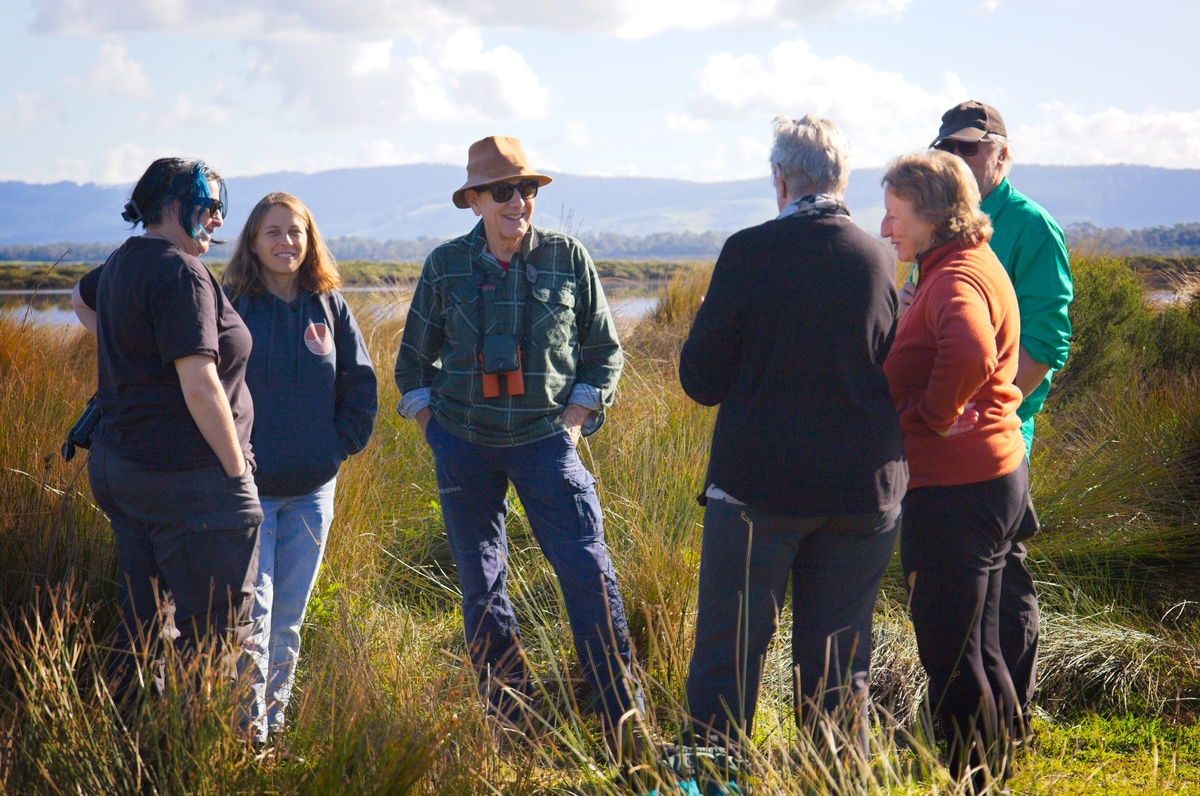
In the room were people with deep connections to the Eurobodalla region. They were people who had watched development pressure creep closer to high-value bushland; people who had lived through the devastation of the Black Summer fires; and people who had already worked hard to protect important parcels of habitat in the region, often against significant challenges.

What they heard that day was that Connecting Wildlife is living proof that BioDiversity Legacy’s LLE model empowers communities to protect critical habitat – permanently.

The Backstory

Connecting Wildlife board member Courtenay Fink-Downes told the audience that the seeds of Connecting Wildlife grew out of frustration.

“Several years ago, a group of us tried to protect a few hectares of land near Mossy Point,” she explained.

“Though small in size, the property was ecologically significant — containing an intact threatened ecological community, habitat for Yellow-bellied Gliders, feed trees for Glossy Black-Cockatoos, and important landscape connectivity.

“The ecological value was recognised, but no organisation was in a position to take responsibility for the land. So, we had to walk away.”

That experience highlighted a broader gap within the conservation system: local communities were identifying and mobilising around high-value conservation opportunities, but there were very few mechanisms available to help them securely hold and steward land over the long term.

What this group was experiencing was not an isolated problem, nor was it unique to their region. It was a clear example of a recurring structural gap within the conservation landscape — one that continues to place important habitats at risk despite strong local commitment to protecting them.

It is this broader system gap that BioDiversity Legacy was established to help address – creating pathways that enable communities, conservation groups and local stewardship organisations to secure, hold and protect ecologically significant land that might otherwise be lost.

Finding the Mechanism

The pathway forward began to take shape when Connecting Wildlife board member Julie Taylor Mills learned about BioDiversity Legacy’s Local Landholding Entity model. She quickly realised it could be the ideal vehicle to protect an 80-acre property near Meringo, south of Moruya, that young local naturalist Ned McNaughton had identified as vulnerable to subdivision.

For Julie, it was the missing piece.

The strategy moving forward was twofold:

  • First, enable Connecting Wildlife as a not-for-profit conservation organisation to purchase and secure the property – now proudly known as Ned’s Forest – to protect and restore habitat connectivity for wildlife.
  • Second, over time, transition the governance of Connecting Wildlife to a locally governed structure that could hold the land securely while enabling genuine local stewardship.

BioDiversity Legacy’s Role

BioDiversity Legacy’s role in this story has been catalytic and foundational. Working alongside the local community, it established Connecting Wildlife as a not-for-profit company limited by guarantee, enabled the legal structure required to hold land securely, and supported the acquisition of Ned’s Forest.

Since then, BDL has continued to support Connecting Wildlife, including facilitating a Biodiversity Conservation Trust covenant over the property and registering it as a Wildlife Land Trust site.

At the same time, it has supported the transition toward a locally governed board — one capable not only of overseeing Ned’s Forest, but of holding future conservation opportunities as they arise.

Dixie Fitzclarence, BDL’s Head of Conservation, Engagement and Partnerships, explained the mechanics of the model to the crowd:

“In practical terms, an LLE can hold the land title securely. Its constitution, governance and purpose are all designed to ensure the land stays protected. But the day-to-day care of each place can be carried out by whoever is best placed locally — community groups, neighbours, Landcare networks or ecological specialists.

“This separation between ownership and stewardship is one of the quiet innovations of the model. Land can be protected permanently, while stewardship remains flexible and locally responsive.”

This is the changemaking role BioDiversity Legacy plays. It does not replace local leadership; it makes local leadership possible.

From Ned’s Forest to a Regional Platform

Ned’s Forest is the first property protected by Connecting Wildlife, but it is not the endpoint.

It is the beginning of something broader — a locally governed conservation vehicle capable of responding to opportunities across the South Coast as they arise.

As the event wound down over tea and biscuits, attendees began sharing their own stories — of land they had tried to protect, of habitat under pressure, and of new possibilities they could now imagine through Connecting Wildlife.

For many in the room, the significance was clear: this was no longer just about a single property. It was about a structure that makes lasting, community-led conservation possible.

And that changes what can be protected — and by whom.

Connecting Wildlife is part of a growing network of Local Landholding Entities emerging across Australia through BioDiversity Legacy’s national LLE framework — a coordinated model for establishing locally governed conservation organisations capable of securely holding and stewarding land across different landscapes and regions.

BioDiversity Legacy will continue to play a supporting role in Connecting Wildlife’s journey — providing governance and technical support where needed, strengthening organisational systems, and ensuring the integrity and continuity of the LLE model as it expands into new landscapes and communities.

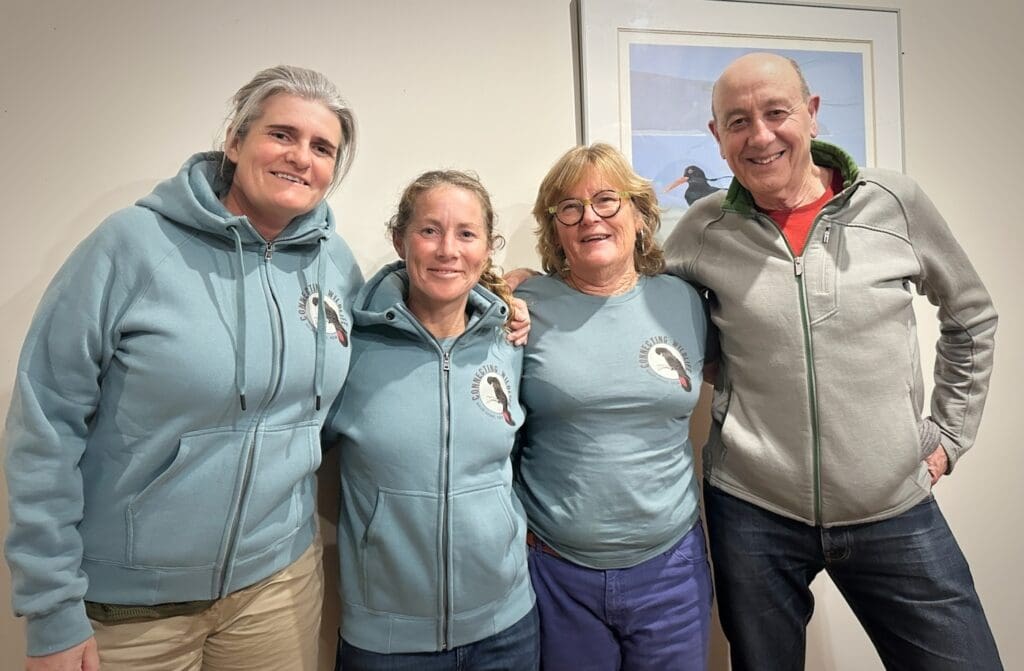
Photo top (left to right): Connecting Wildlife Board Courtney Fink-Downes, Shannon Leard, Julie Taylor Mills and Jim Phillipson celebrate the official launch of Connecting Wildlife.

Beyond Grassroots: How Hyperlocal Networks Are Transforming Conservation

At BioDiversity Legacy, we’re often described as working at the “grassroots” of conservation.

To most people, the term grassroots means community-led action, which we support and champion, but we also see conservation unfolding on an even more intimate, fluid scale through what we call hyperlocal networks.

These networks form when neighbours, landholders or individuals with a deep connection to a species or landscape begin sharing knowledge, concerns and ideas about protecting the places they love. Often centred on a single ecosystem, they represent a decentralised, community-driven approach to environmental care and stewardship.

In fact, these place-based relationships have helped lay the foundations for several BioDiversity Legacy projects, including Nooramunga Land & Sea and Connecting Wildlife.

Hyperlocal networks hold enormous potential, but they often need the right connectors to bring people, knowledge and opportunities together. That’s where BioDiversity Legacy’s Biolink Coordinators come in.

Turning care into action

Residing in regions around Australia, our Biolink Coordinators are embedded in the community and empowered to translate local care for nature into practical conservation outcomes by:

  • Building trusted relationships within and across communities and regions
  • Facilitating regional biolinks that connect habitats and landscapes
  • Identifying conservation opportunities that might otherwise be overlooked
  • Guiding landholders through pathways to protect their land

These coordinators don’t impose solutions. Instead, they guide, facilitate and catalyse conservation in ways that are locally appropriate, practical and enduring.

The power of a conversation

Much of this work begins in simple, human ways – a discussion at a local event, a shared interest in wildlife, or a landholder wondering what might happen to their property in the future.

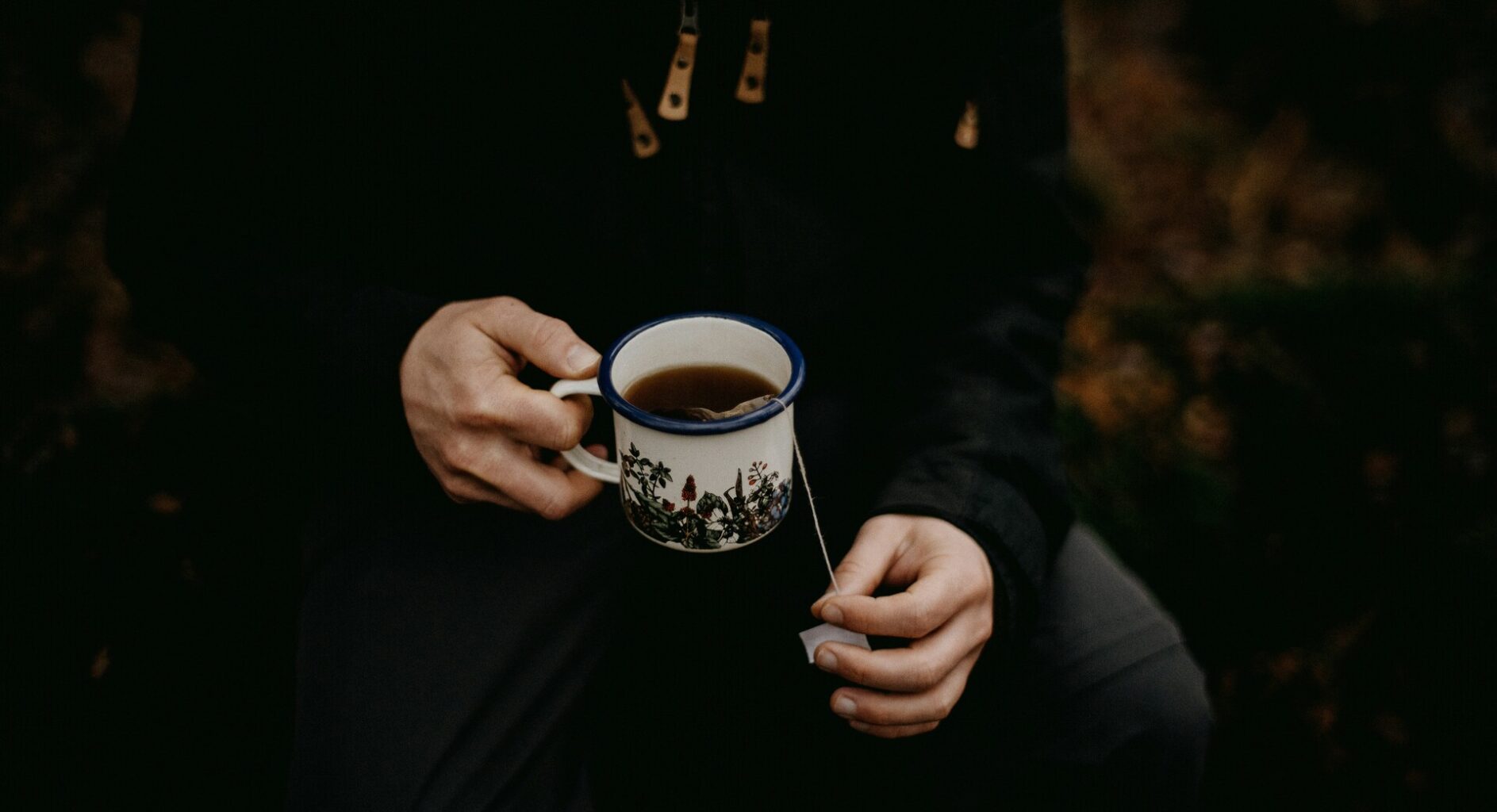
We jokingly refer to this engagement as a ‘Cuppa Conservation’ — the idea that meaningful conservation often begins by sitting down, listening and building trust.

Not every conversation leads immediately to land protection. But every conversation strengthens the relationships that make conservation possible. Over time, those conversations begin to connect.

From small conversations to lasting impact

Research increasingly shows our instincts about hyperlocal networks are correct.

As Professor Ashley Dawson writes in Environmentalism from Below (2024), “Conservation succeeds when it is embedded in community values; when the voices and profiles of individuals and groups who inspire others are amplified, and when the natural power of social networks is leveraged to spread the message that local people can change the world.”

A model for the future

The future of conservation will not be led by government alone. It will be built by people who care deeply about place, supported by trusted local leaders who can help turn intention into action.

BioDiversity Legacy’s Biolink Coordinators are helping lead that shift by acting as connectors and facilitators, turning conversations into collaborations – and collaborations into protected landscapes.

Secret Link