In Part 2 of our series exploring landholder motivations for conservation covenants, we speak with leading researcher Dr James Fitzsimons about how covenants can be strengthened and scaled to deliver greater conservation impact across Australia.
As a values-aligned organisation, BioDiversity Legacy regularly attends Land Covenantors Victoria’s quarterly lecture series which, most recently, has invited prominent academics to provide insights into their research on covenanting in Australia – and what can be done to support more landholders to get involved.
As a values-aligned organisation, BioDiversity Legacy regularly attends Land Covenantors Victoria’s quarterly lecture series. The most recent events have featured prominent academics sharing insights from their research on covenanting in Australia — and outlining what can be done to encourage more landholders to take part.
In Part 1, we covered Deakin University researcher Dr Carla Archibald’s presentation on landholder motivations for covenanting. In this second instalment, we reflect on an important lecture by The Nature Conservancy Senior Advisor, Global Protection Strategies, Dr James Fitzsimons, examining the current state of covenanting in Australia and the critical role covenantors can play in securing the nation’s environmental future.
About the speaker
Dr Fitzsimons has spent over 27 years designing and researching the policy and governance settings that underpin effective private land conservation. A long-time covenantor who stewards land in Central Victoria, Dr Fitzsimons, has held roles with the Victorian Government, The Nature Conservancy, as well as adjunct research positions at Deakin University and the University of Tasmania.
During the lecture, Dr Fitzsimons placed covenants within a broader Victorian, national and international context, highlighting both their potential and the role governments must play if privately protected areas are to meaningfully contribute to Australia’s national biodiversity targets. Here are his insights.
Australia’s 30×30 target – and the looming gap
Australia has committed to protecting 30% of lands and fresh waters and 30% of its oceans by 2030, under the Kunming–Montreal Global Biodiversity Framework. Currently, around 24% of land is protected – up from just 7% in the mid-1990s. This growth came from:
State and territory reserve expansion
The National Reserve System’s targeted land acquisition program (now discontinued)
The globally recognised Indigenous Protected Area program
Private land trusts and covenanting programs
However, to reach 30% by 2030, Australia needs to protect an additional 6% of land within five years. “There’s still a lot of work to do,” Dr Fitzsimons said. “Private land conservation will be essential if we’re going to get there.”
The role – and growth – of conservation covenants
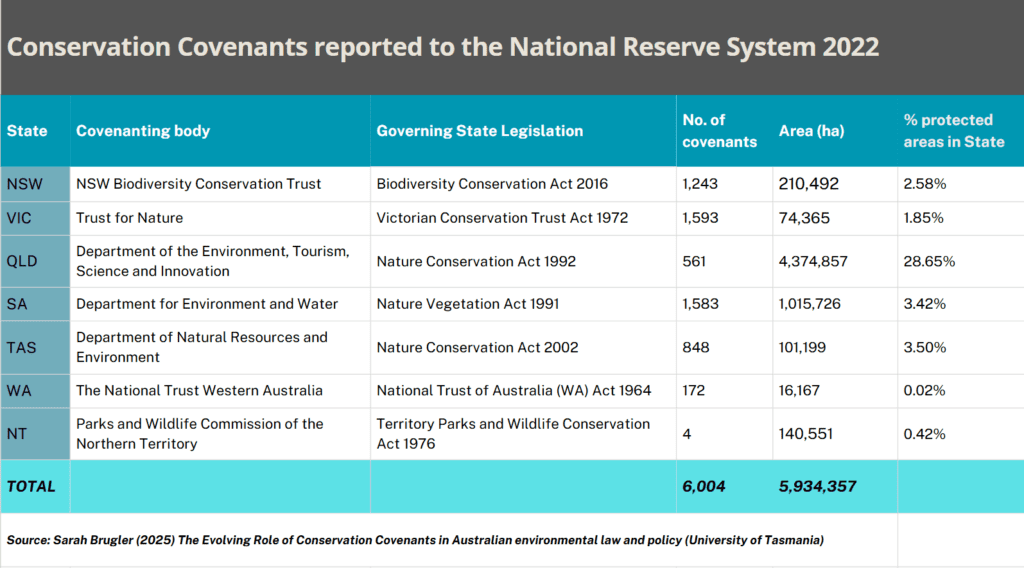
Conservation covenants form the backbone of Australia’s privately protected area network. New data presented by Dr Fitzsimons, undertaken by PhD student, Sarah Burgler, shows:
Victoria has the most covenants numerically
Queensland has fewer covenants, but a very large area is protected
NSW is the fastest-growing state, thanks in part to a major policy shift
South Australia has grown slowly since an initial surge in the early 2000s
Western Australia is growing more slowly than other states
Why NSW is surging
NSW’s growth is strongly linked to a shift from a government-run program to a trust-based model (similar to Trust for Nature) and the introduction of stewardship payments – annual, guaranteed payments attached to covenant obligations. This model has proven especially attractive to farmers who gain:
A stable income stream
Predictable financial support in variable climate and market conditions
Recognition of conservation as part of a working property
Challenges on the horizon: climate change, complexity and competing land uses
Dr Fitzsimons outlined several emerging challenges and opportunities.
1. Covenants must adapt to climate change
Climate impacts – heatwaves, wildfires, sea-level rise – will reshape ecosystems. This raises questions:
Should covenants include rolling boundaries to allow habitats to shift?
How can landholders be supported as vegetation quality changes?
What will climate-resilient covenants look like in practice?
2. The landscape of incentives is growing more complex
Landholders now face multiple programs:
Carbon markets
Biodiversity markets
Nature Repair Market projects
Land for Wildlife
Covenants
Choosing the right model – or combination – requires clearer guidance and careful sequencing; in other words, getting the sequencing wrong may preclude eligibility for some of these if others have already been implemented.
3. Second-generation covenantors will have different needs
Many covenants were signed by passionate, first-generation owners. Future owners may:
Have different motivations
Have different financial situations
Require more support to maintain covenant obligations
4. Restoration covenants will become more important
Protecting high-quality remnants is no longer enough. Australia needs large-scale restoration. However, restoration:
Is more complex
Requires more oversight
Requires different policy settings and incentives
5. Land-use competition is intensifying
Renewables, critical minerals, housing and agriculture are all placing pressure on land availability. Strategic planning will be essential.
Bringing the insights together
Across both Dr Archibald’s and this talk, a shared message emerged: Private landholders are essential to Australia’s conservation future. According to Dr Fitzsimons:
They are already caring for vast areas of the country.
They are motivated by a mix of passion, purpose and stewardship.
They need supportive, fair and flexible policy settings.
They play a crucial role in connectivity, refugia, climate adaptation and ecosystem services.
Covenants remain one of the most powerful tools available to secure biodiversity forever. But for covenants to fulfil their potential, Australia needs:
Better financial and non-financial incentives.
Strong national recognition of covenantors.
Simplified and equitable tax and rate frameworks.
Support for future covenant owners.
Policies aligned with climate adaptation and restoration needs.
The role of LCV
Land Covenantors Victoria is uniquely positioned to:
Advocate for equitable incentives.
Represent covenantors to government and agencies.
Share knowledge, science and peer support.
Strengthen the recognition of covenantors as essential contributors to Australia’s biodiversity goals.
With member leadership and growing research partnerships, LCV is helping shape the next generation of policy and practice for private land conservation.
*LCV holds guest speaker events quarterly in its ‘home base’ at the Royal Society of Victoria in Melbourne CBD. They are always interested in hearing from conservation and covenanting leaders. Please reach out if you wish to become a member, friend or presenter.
Across Australia, private landholders are playing an increasingly active role in restoring and protecting habitat, using covenants as a protection mechanism, but what motivates them to do so?
At BioDiversity Legacy, we work closely with people who may already have conservation covenants on their land or are deciding whether to do so. Alongside this, our Local Landholding Entity (LLE) model offers another pathway to permanent protection, transferring land into a dedicated, community-led not-for-profit structure. These approaches are not competing solutions. Rather, we see conservation covenants as complementary to the protections enabled through the LLE model, together strengthening Australia’s private land conservation estate.
Understanding what motivates landholders to choose these pathways – and what supports them to care for land over the long term – is essential if Australia is to meet its biodiversity commitments.
This two-part blog series explores those insights. In this first piece, we focus on Dr Archibald’s research into why landholders adopt conservation covenants and what drives long-term stewardship. A second article, to be published in March 2026, will examine Dr Fitzsimons’ research on the urgent role governments must play if conservation covenants are to help Australia meet its national biodiversity goals.
What are covenants?
Before we delve into this exploration, let’s start with the basics. What is a covenant?
A conservation covenant is a voluntary, legally binding agreement between a landholder and an authorised body to protect and care for land with important natural, cultural and/or scientific values. The landholder retains ownership and can continue to live on and use the land, while agreeing to manage all or part of it in ways that conserve its identified values, in partnership with the authorised body.
Authorised bodies (often called covenant scheme providers) may include not-for-profit organisations, government agencies or local councils that have the authority to enter into conservation covenants with landholders; for example, Trust for Nature in Victoria, Biodiversity Conservation Trust in NSW and the Tasmanian Land Conservancy (TLC).
Why landholders choose conservation covenants – insights from Dr Archibald
For more than a decade, Dr Carla Archibald has studied private land conservation and the social dynamics behind environmental behaviour. Her recent research – based on a survey of 475 landholders in New South Wales – asked a simple but powerful question: What drives someone to commit their land to long-term conservation?
Conservation is already happening quietly, everywhere!
One of the most striking findings of the survey is just how widespread voluntary conservation already is in NSW. Over 80% of surveyed landholders were actively undertaking conservation management – weed control, revegetation, pest and feral animal control – independent of any formal agreement.
Only 15% of those surveyed had a legally binding conservation covenant, but another 39% were involved in programs such as Land for Wildlife. This suggests an enormous, untapped pool of landholders who are already engaged but may need additional support, confidence or incentives to take the next step.
The four key influences on covenant adoption
Dr Archibald’s research identified four key drivers:
1.Existing conservation engagement
Landholders already actively caring for their land were eight times more likely to adopt a covenant. This points to a progressive pathway: care – commitment – covenant.
“People who are passionate about conservation are the ones willing to make a permanent commitment,” said Dr Archibald.
2. Time and capacity
Those with more time to undertake stewardship were 1.6 times more likely to covenant their land. Surprisingly, retirement status did not influence adoption, suggesting time, not age, is the real barrier.
3.Suitable land available
Landholders who knew they had ecologically valuable or suitable areas were twice as likely to adopt. Property size itself didn’t matter. Agencies could therefore target properties with high conservation potential – focusing on ecological fit, not acreage.
4.Income and incentives
Financial incentives ranked lower than expected. However, landholders earning income from their land were more likely to adopt covenants. This shows:
Conservation can co-exist with primary production
Environmental markets in NSW are making conservation a sound business proposition
Conservation actions can enhance farm productivity and ecosystem services
A pathway that supports livelihoods and landscapes
The overarching message from Dr Archibald’s research is clear – covenants are most successful when they align biodiversity outcomes with the social and economic realities of landholders.
Programs that acknowledge landholder capacity, income reliance and ecological assets have the best chance of expanding uptake.
She noted that policymakers are increasingly recognising this and praised LCV’s successful advocacy work – particularly the push for land tax exemptions for covenantors.
Looking ahead, Dr Archibald hopes to explore how sustainable finance mechanisms could underpin long-term conservation and community resilience.
In our element, experiencing the joy and adventure of a wild ecosystem.
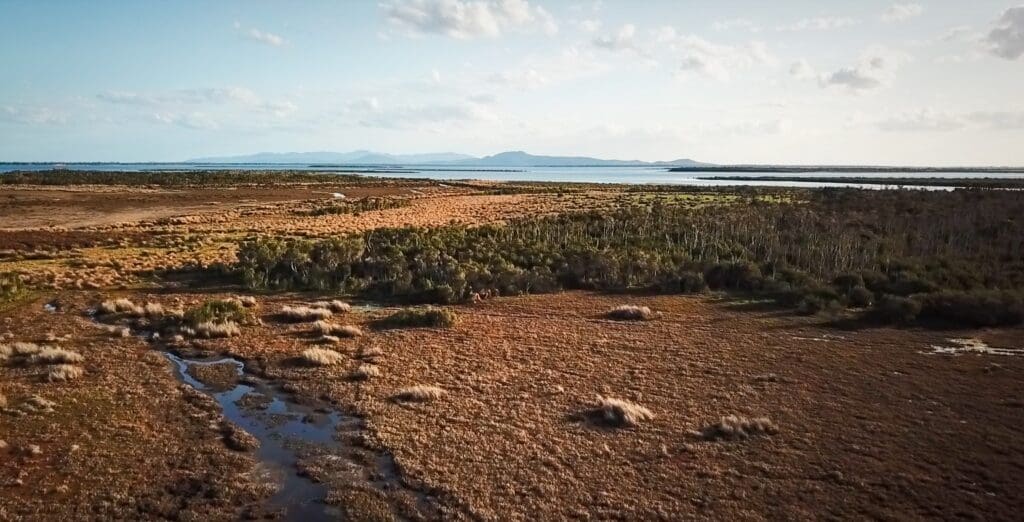
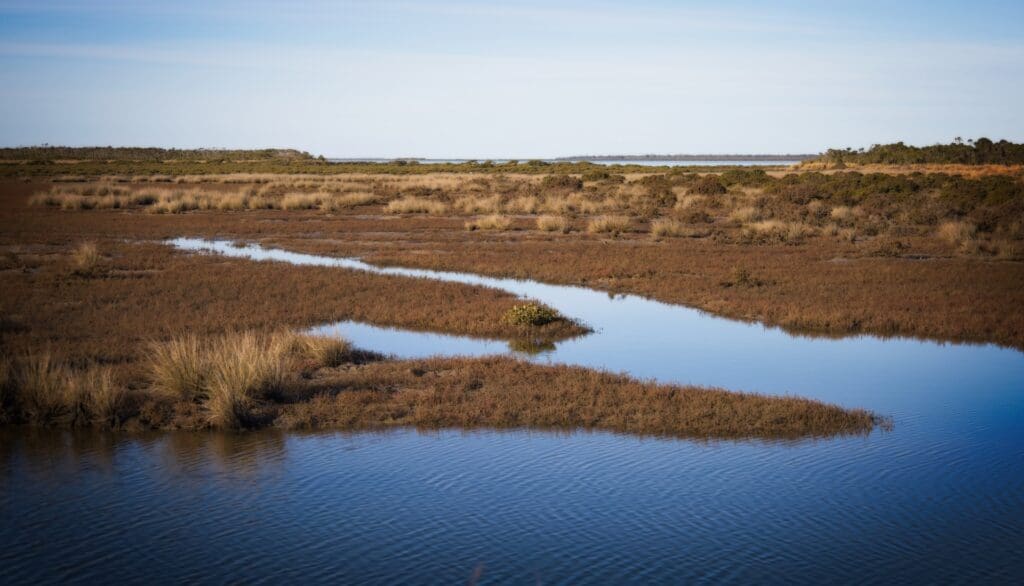
Visiting Bullock Island on a gusty high tide is not for the faint-hearted. But for a small group of committed volunteers, the challenge is more than worth it. A bit of cold, wet and mud is a small price to pay for an up-close encounter with one of Victoria’s most remarkable saltmarsh environments.
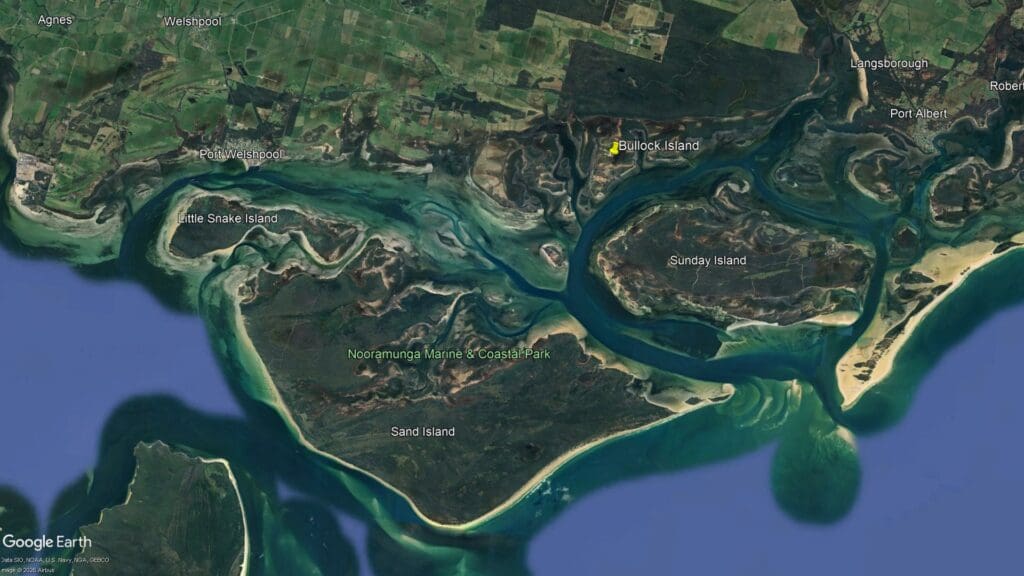
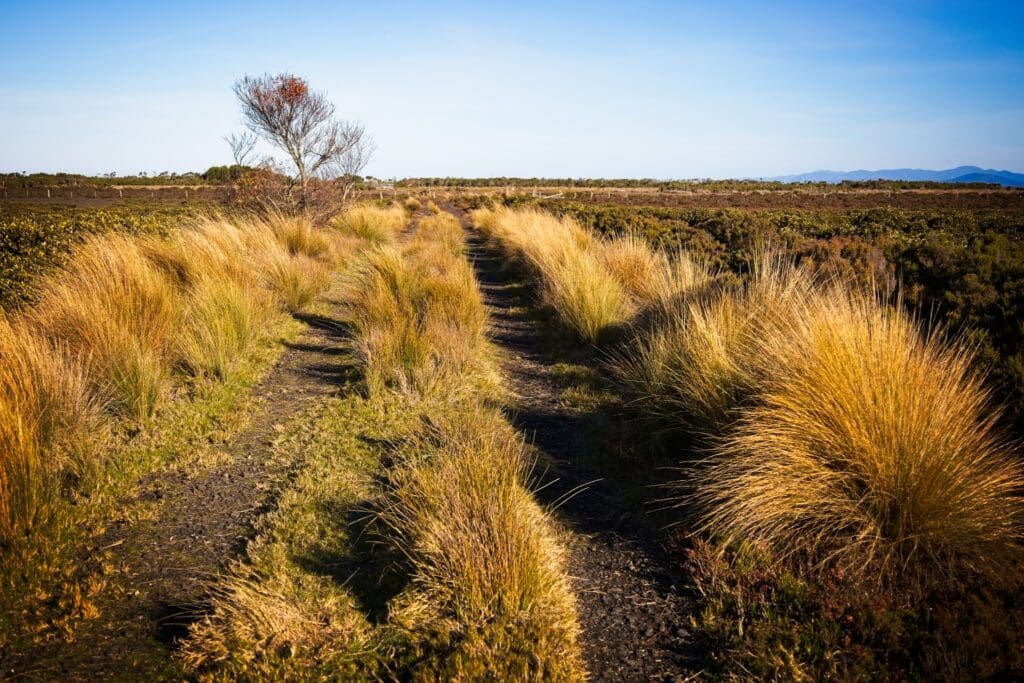
Getting there is part of the adventure. Bullock Island sits within the iconic Corner Inlet in South Gippsland, a site of international importance under the Ramsar Convention. Reaching it requires a capable 4WD and a 30-minute drive along sandy, rutted tracks flanked by Manna Gums, Stringybarks, Grass trees and century-old Banksias. Wet weather gear, food, water and a good camera are essential – especially if you’re lucky enough to spot one of the inlet’s rare birds along the way.
Jewels in the landscape
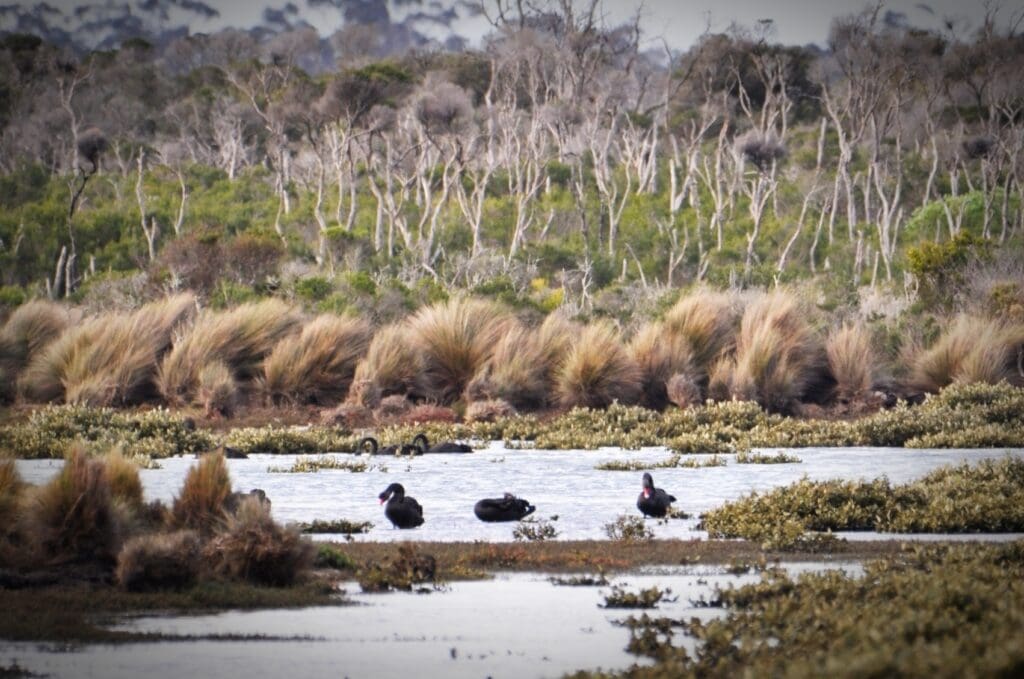
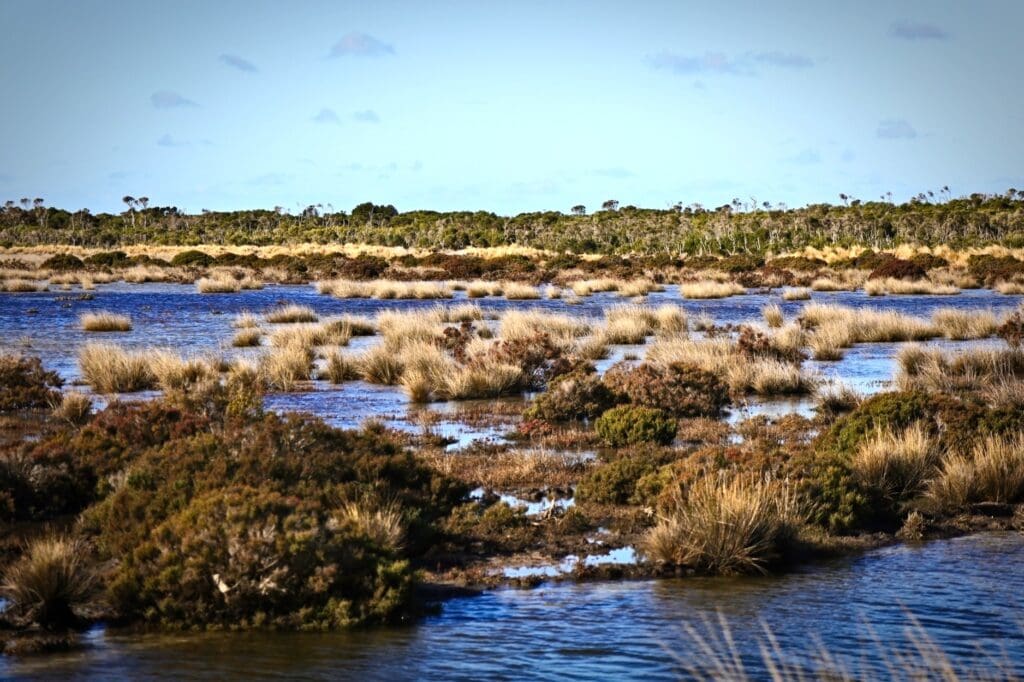
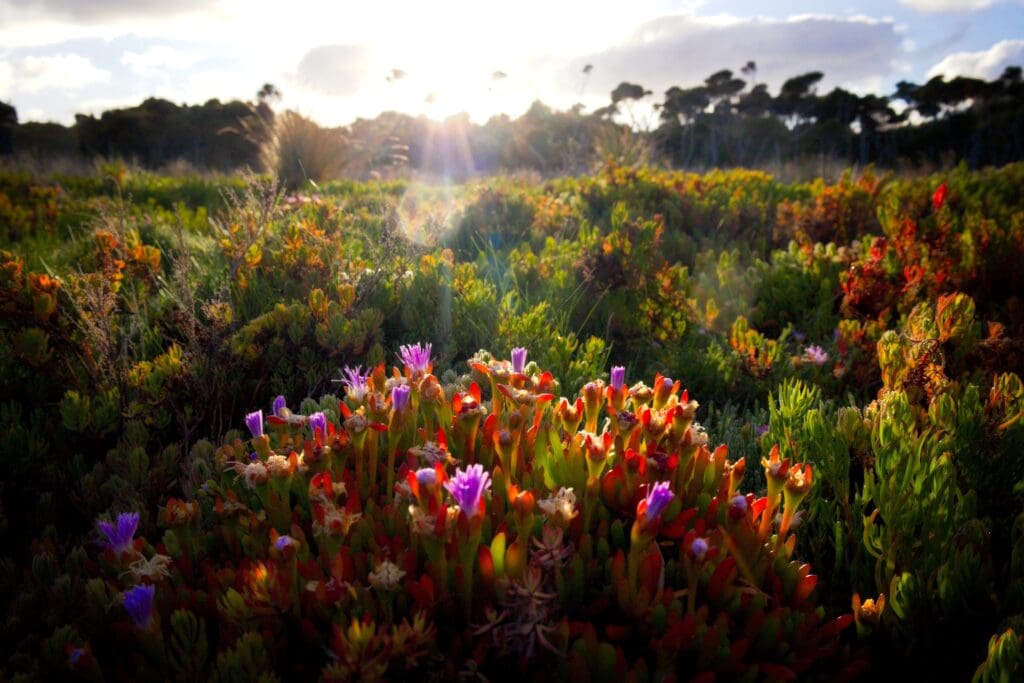
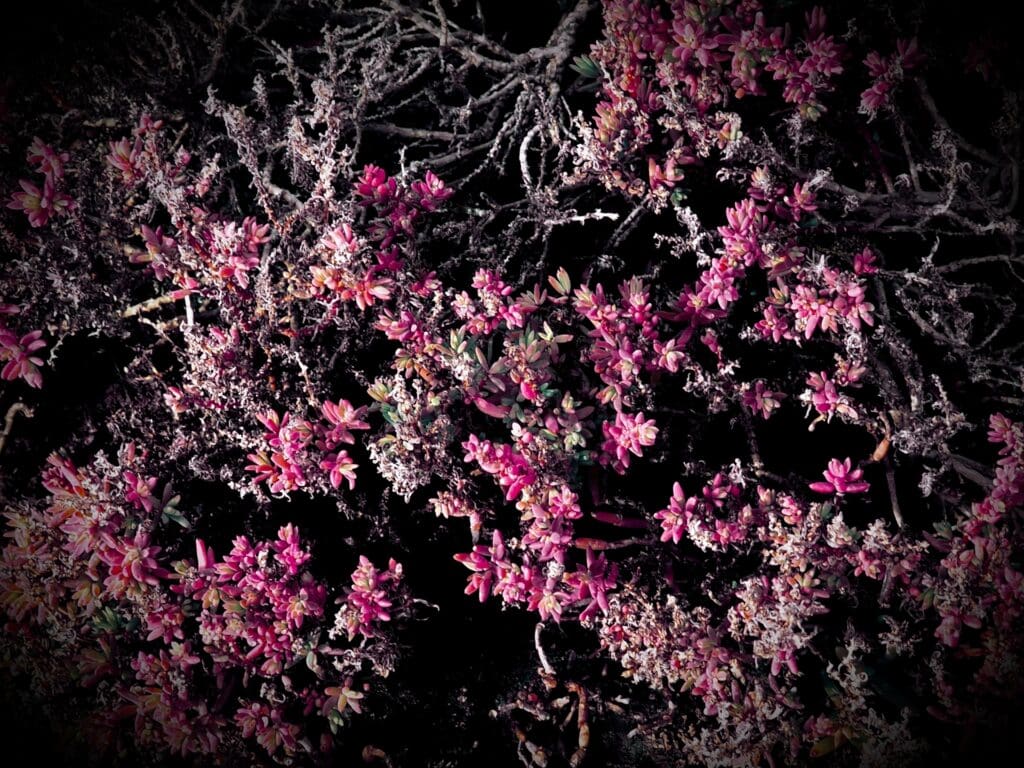
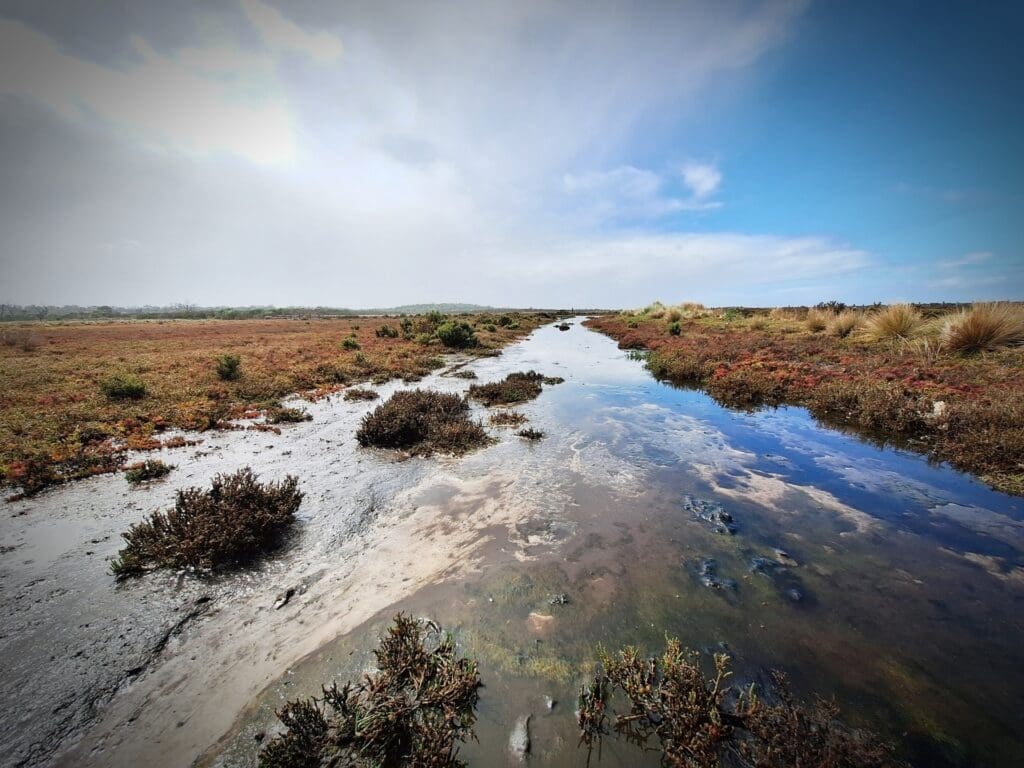
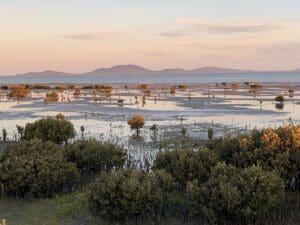
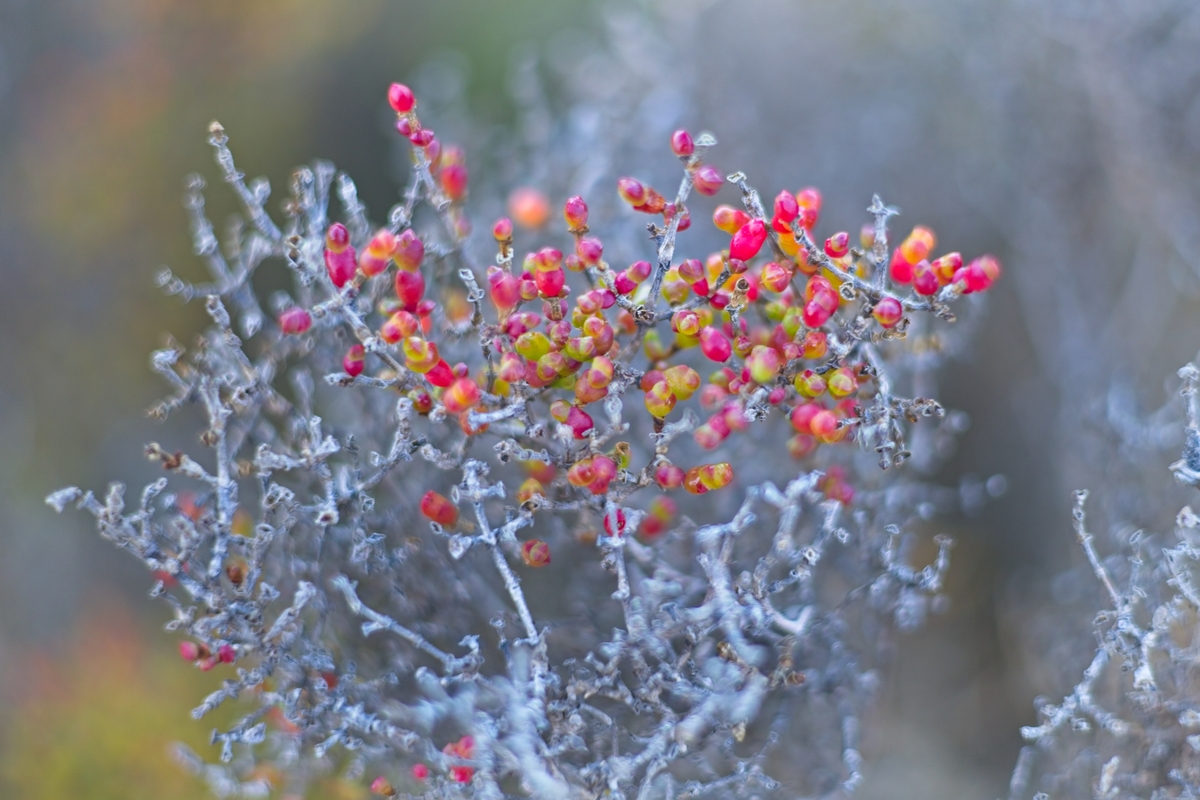
Once on the island, you’re rewarded with a sweeping ecological tapestry. Beaded and Shrubby Glassworts, Pigface, Austral Seablite, Swamp Paperbark, Austral Brooklime, native grasses and White Mangrove forests paint the landscape in shifting tones of green, red, silver and gold.
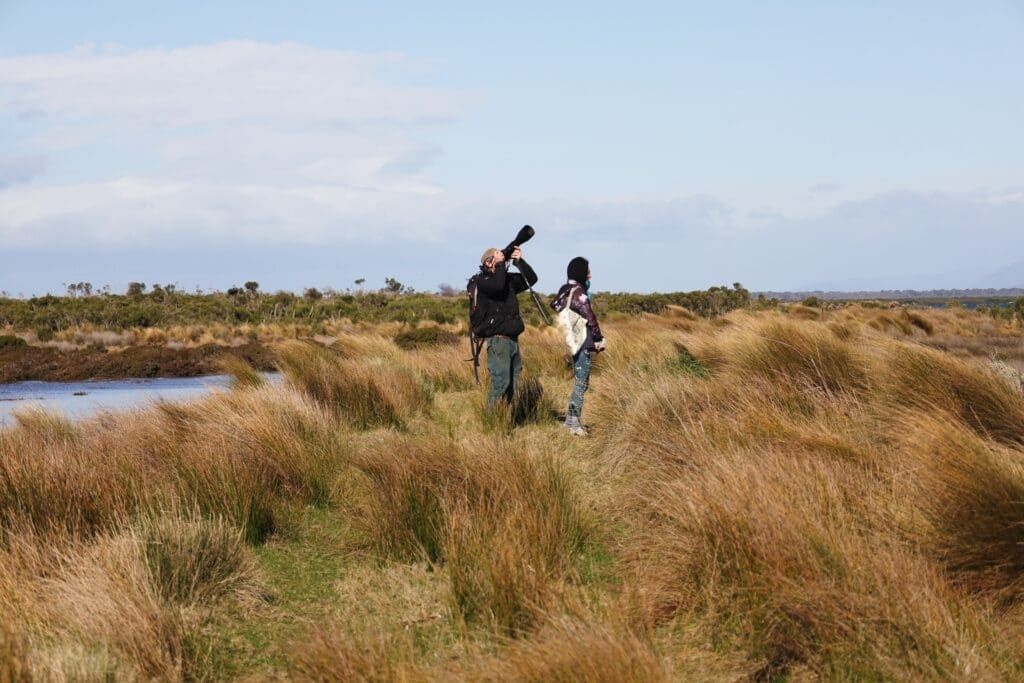
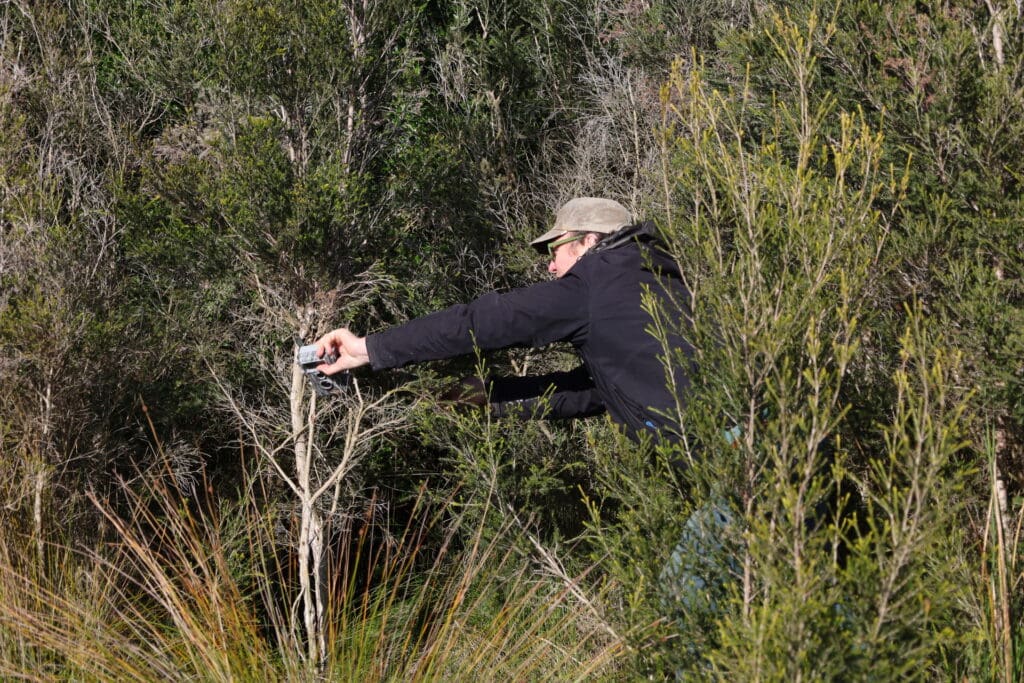
On this particular visit, the volunteers have a mission – to retrieve remote-sensing cameras placed around a freshwater hole on the 72-hectare island to monitor fauna. As they cross the long causeway, a mob of kangaroos bounds across the tidal flats – a fitting welcome to this wild and beautiful place framed by the dramatic hills of Wilsons Promontory to the south.
Protecting Nooramunga Land & Sea
Bullock Island is the second island to be secured by Nooramunga Land and Sea (NL&S), a not-for-profit Local Landholding Entity supported by BioDiversity Legacy and dedicated to protecting and restoring these fragile coastal landscapes for future generations.
Along with neighbouring 60-hectare Little Dog Island, Bullock Island bears the scars of past farming and recreational use. Now, however, these islands are being carefully managed to heal. Rising sea levels due to climate change pose a challenge – but also an unexpected opportunity. Storm surges bring salty water that can kill off invasive weeds such as pasture grasses, helping native saltmarsh species reclaim their ground.
The islands are also blue carbon powerhouses. Their muddy soils lock away vast amounts of carbon, making them critical allies in the fight against climate change while nurturing biodiversity.
Watching Over a Global Bird Haven
Remote cameras are one of the tools that the NL&S stewardship team uses to watch over Bullock and Little Dog Islands. Carefully placed in the landscape, they support the detection of native fauna and help to identify potential threats – such as feral deer and foxes – to these internationally significant places.
Bullock Island is a vital stopover for migratory shorebirds and local beach-nesting birds alike. Visitors include the Critically Endangered Far Eastern Curlew, Curlew Sandpiper, Great Knot, Endangered Lesser Sand Plover, Red Knot and the Vulnerable Hooded Plover.
The island may even provide habitat for Australia’s most threatened bird, the Orange-bellied Parrot, which travels from Tasmania each year to feed on Victoria’s saltmarshes. With historic sightings in South Gippsland, the NL&S team remains hopeful of a future encounter.
A Wild Place Worth Protecting
Despite the long day, wet clothes and muddy boots, the volunteers leave Bullock Island with hearts full. They speak of the thrill of standing in a landscape where tidal creeks carve graphic patterns through the saltmarsh, where the texture of grasses and rushes shifts with the light and where each visit reveals something new.
They also carry with them a renewed commitment to the NL&S stewardship plan – a long-term vision to protect these living carbon sinks, strengthen habitat for endangered species and give the next generation the chance to witness the magic of this wild place.
Read more about NL&S, how they’re protecting critical saltmarsh ecosystems in South Gippsland, and BioDiversity Legacy’s role in this important work, HERE.
For the BioDiversity Legacy team, this story is deeply meaningful. It carries the seeds of our very existence and the first green shoots of a pioneering land-conservation movement – one that has the potential to safeguard hundreds of thousands of acres in the decade ahead.
At its heart is a 105-hectare (259-acre) property – North Paddock – in Maffra West Upper, Central Gippsland – land that the Phillipson family has generously donated to BioDiversity Legacy for permanent protection and long-term stewardship.
This remarkable act of generosity – one of three donations planned by Jim, Heather, David and Kate Phillipson – was years in the making, involving thoughtful conversations about succession, care, responsibility and what it truly means to leave a living legacy.
The Backstory
Jim and Heather Phillipson grew up on farms around Sale in Central Gippsland. Jim went on to become a highly respected business leader and Heather a dedicated community nurse. Wanting their children, David and Kate, to experience the same grounding in nature, Jim and Heather purchased a 36-ha (90-acre) property on the Wirn wirndook Yeerung (Macalister River). They began restoring the old grazing paddock by replanting trees, nurturing remnant grasslands and riparian woodlands and protecting regionally significant plant species.
Along the way, Jim and Heather encountered passionate ecologists, conservation groups and land managers who helped shape their understanding of landscape stewardship. Over time, they came to realise that real impact comes from thinking beyond a single property: habitat must connect, landscapes must link, and communities must act together.
With that in mind, the family purchased three additional properties – covering approximately 358 ha (884 acres) from Maffra West Upper to the rugged foothills of the Victorian Alps. For decades, the properties were used as grazing stops for cattle herded up to the high country for summer grazing, a practice now restricted due to its environmental impacts.
The Phillipsons saw another future for this land.
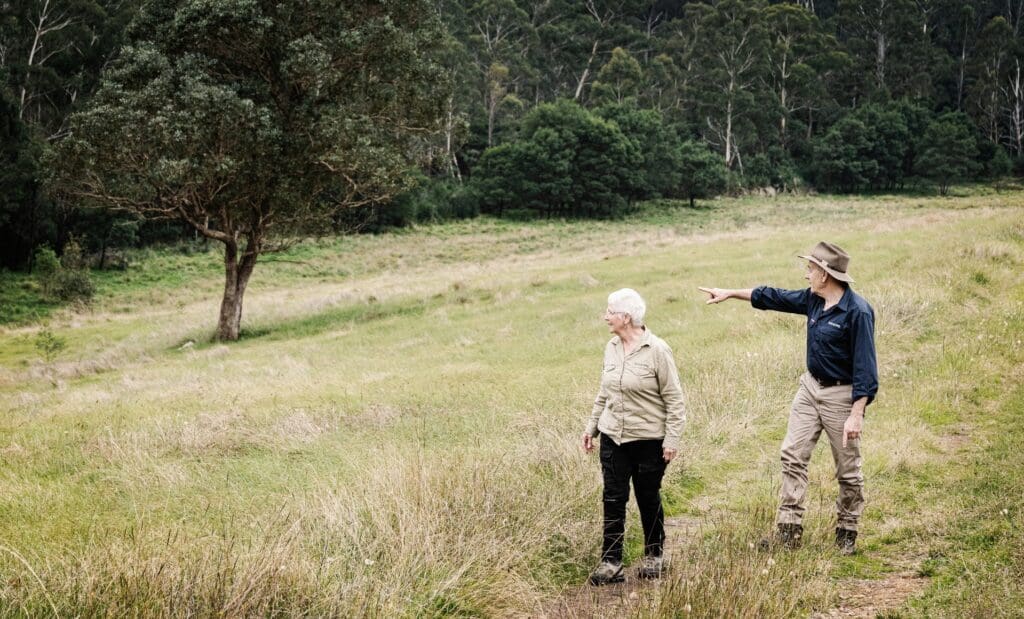
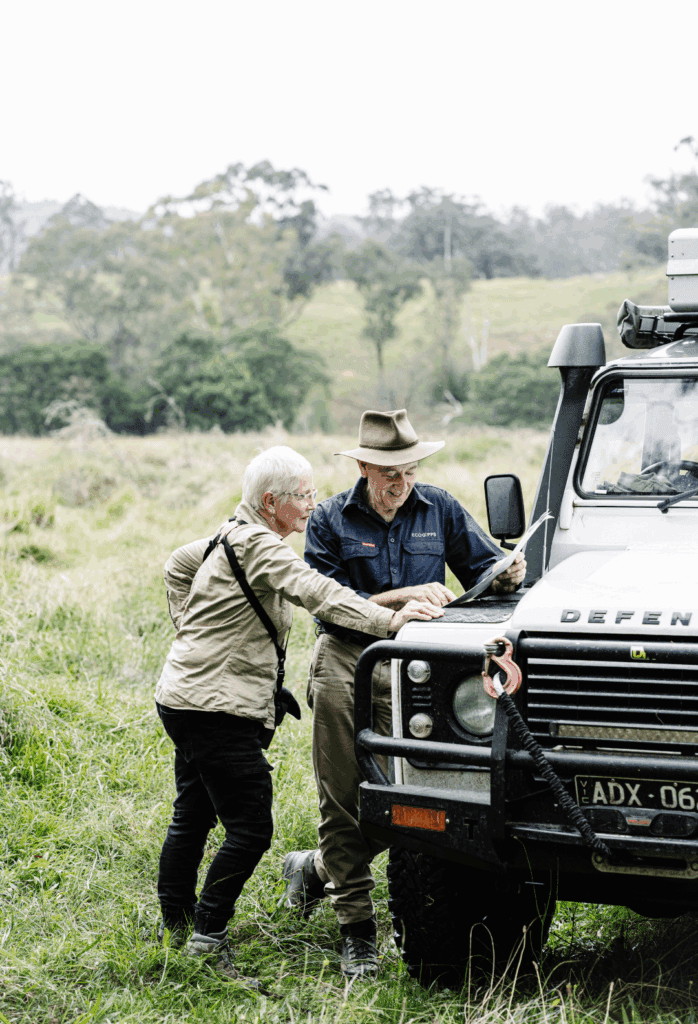
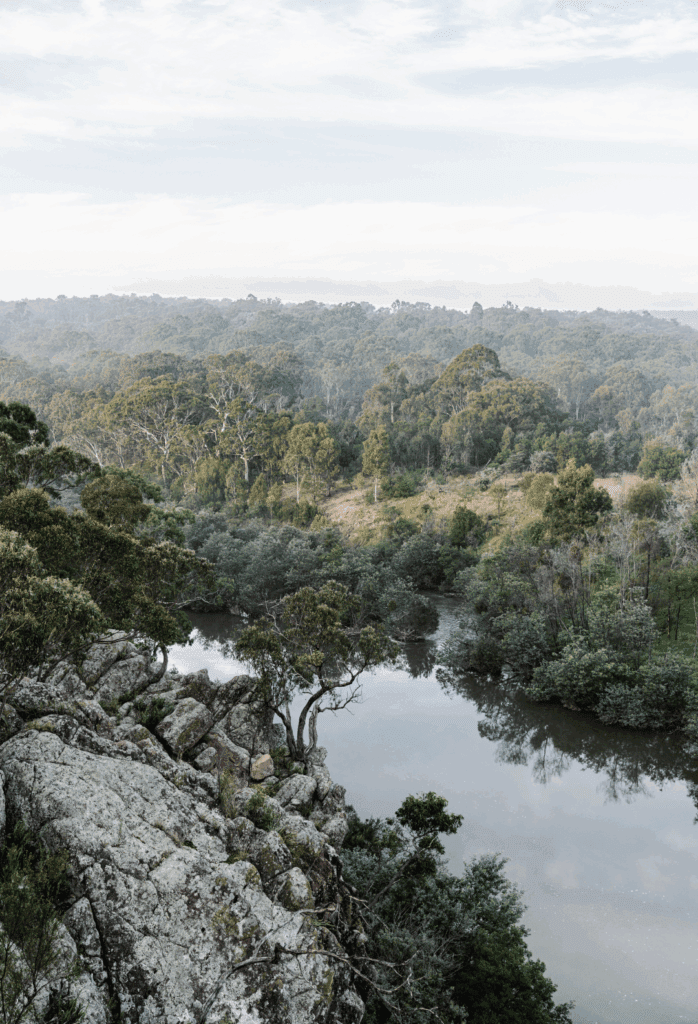
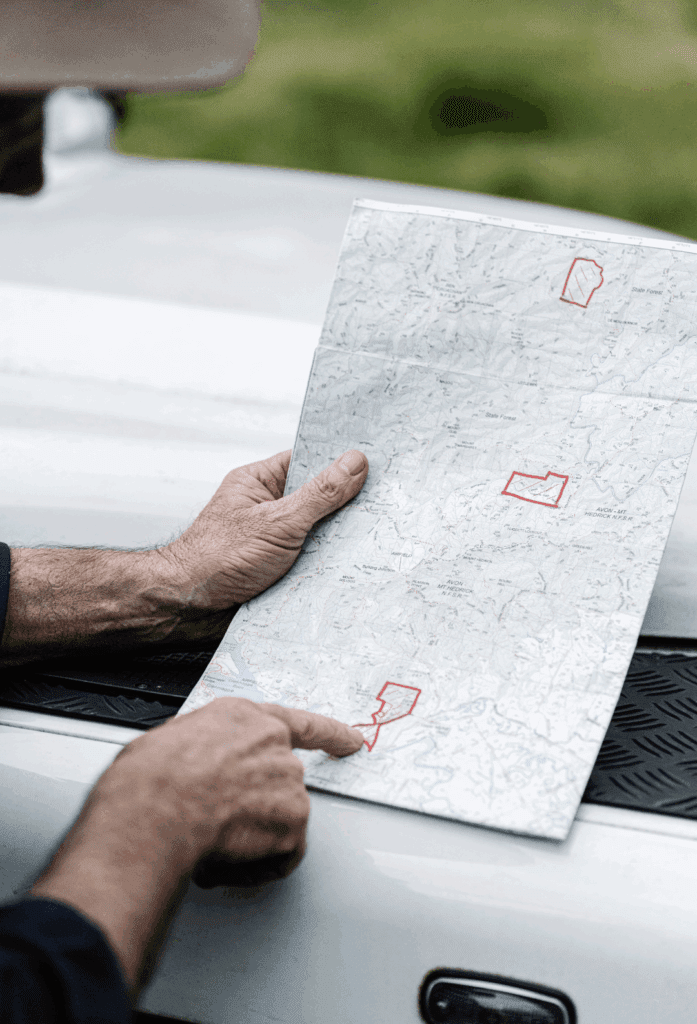
Heather and Jim surveying the EcoGipps properties. Photo by Marnie Hawson.Wirn wirndook Yeerung (Macalister) River, adjacent to one of the EcoGipps’ properties. Photo by Marnie Hawson.Map showing EcoGipps properties within the wider landscape. North Paddock is circled in the photo second from bottom. Photo by Marnie Hawson.
Establishing the EcoGipps Venture
Driven by their growing vision, the Phillipsons created EcoGipps – a venture dedicated to managing their properties and developing an on-site conservation and learning hub. Today, EcoGipps supports school groups, international volunteer workers (WWOOFers), hikers, field naturalists and birdwatchers – offering a place to learn, contribute and connect.
Immersed in this work, the family gained deep insights into the challenges faced by landowners seeking to protect, restore and share their property/ies for conservation. They also saw their local efforts against the larger backdrop of climate change and biodiversity loss.
Engaging with groups such as Land for Wildlife and Trust for Nature, the family progressively placed conservation covenants on the properties. While everything was progressing well, one persistent question remained: “What happens to the land when we can no longer care for it?”
The Phillipsons soon discovered this question echoed across the private land conservation sector – many landholders had the will and passion to restore their properties, but no clear pathway for ensuring those efforts would endure.
Enter BioDiversity Legacy
BioDiversity Legacy was established to provide a solution to this very problem – by creating clear, practical pathways for landholders, communities, partners, and donors to ensure enduring protection and stewardship of land for future generations. This unique approach places land in secure, not-for-profit ownership structures, backed by strong legal and governance safeguards that remove it from the property market, protect it from future sale or development and ensure it is responsibly stewarded over the long-term.
In 2025, the Phillipsons donated North Paddock on Gunaikurnai Country, to BioDiversity Legacy. This was a moment that crystallised what the Phillipsons had been looking for: a trusted, long-term partner to carry their legacy forward.
The Significance of North Paddock: Biodiversity values
North Paddock’s ecological significance is considerable – meeting four objectives of the Trust for Nature Statewide Conservation Plan and rated as ‘Very High’ conservation value. Several habitat types have also been identified as depleted or endangered by the Department of Energy, Environment and Climate Action (EVC benchmarks).
Habitat includes lowland and herb-rich woodland forests, Swamp scrub, White and Red Stringybark and Blue/Red Box eucalypts and a rare tea-tree soak. Read more about the types of habitat found on the property, as well as rare plants, wildlife and birds (read more here).
More importantly, the property represents a key biolink within a vast core habitat area linking Coongalla Bushland Reserve with the Avon–Mt Hedrick Scenic Reserve and onward to the Victorian Alps.
Next Steps
With the transfer of North Paddock complete, the Phillipsons are now advancing plans to transfer their two additional properties, totalling 253 hectares, into BioDiversity Legacy’s safe ownership structure in the coming years.
BioDiversity Legacy is also working closely with the Phillipsons to further develop the EcoGipps venture into a stewardship entity that can take care of managing the properties into the future.
Heather Phillipson will continue leading restoration efforts at North Paddock, with Caroline Trevorrow joining as a dedicated Stewardship Coordinator to oversee the organisation’s activities. Thus, the initiative is creating local employment in conservation, as well as the education and community engagement opportunities that are at the core of the EcoGipps mission.
A Living Legacy for Future Generations
The transition of North Paddock into BioDiversity Legacy’s care marks a significant milestone for the private land conservation movement. It demonstrates a clear, practical pathway for landholders who want to permanently protect their land, ensure best-practice stewardship and contribute to something much bigger than themselves.
The Phillipson family’s vision – and their courage to act on it – has created a model that others can follow.
It reminds us that conservation is not only about restoring landscapes. It’s about restoring connection: to Country, to community and to the future. Their story shows what becomes possible when people choose to give back to the land that has given them so much. And it lights the way for others who wish to leave a living legacy for future generations.
Through necessity, the early settlers viewed the Australian landscape through an economic lens, assessing the natural value of the land in terms of what they could extract from it.
Now, as we shift our focus to natural capital – the air, water, soil, plants and animals that essentially keep us alive – we are beginning to value more diverse landscapes. But not all get the attention they deserve.
A case in point are the muddy, mucky landscapes known as coastal saltmarsh. Despite providing an astonishing array of ecosystem services, they remain greatly undervalued. But why?
Blue carbon landscapes
Broadly defined as a mosaic of coastal ecosystems, saltmarsh is one of the most productive ecosystems on Earth, likened to kidneys or lungs in terms of its ability to filter pollution and intercept nitrogen run-off from farms.
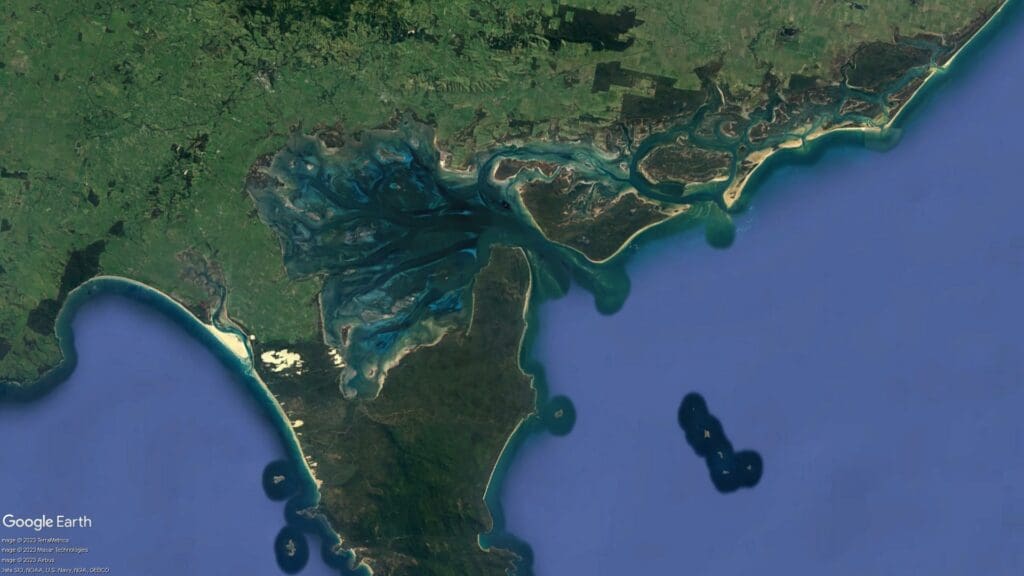
In South Gippsland, Victoria, this lung effect can be seen from above as we look down at the 67,186-hectare site of Corner Inlet. Adjacent to Wilsons Promontory and the Nooramunga Marine and Coastal Park, Corner Inlet is one of 64 wetland areas listed as a Wetland of International Importance under Ramsar Convention.
Fringing the Inlet and the 40 plus sandy barrier islands within the inlet are some of the most floristically diverse coastal saltmarshes in the country; marshes that not only reduce farm run-off and provide a nursery for young fish, but capture and store carbon at rates 30-50 times higher than the equivalent area of soil in terrestrial forests – a process known as blue carbon.
Listen to Nooramunga Land & Sea Botanist, Karl Just, talk about key saltmarsh species.
Reframing notions of value
According to Melbourne University wetland ecologist, Paul L. Boon, Australians have always undervalued saltmarsh. He uses the folktale of Cinderella to describe how they are perceived as the ugly or poor stepsister of inland wetlands – wastelands standing between us and our desire to live on the coast and extract resources from it.
Viewed through European eyes, saltmarshes certainly ain’t pretty; in Cinderella’s words, “When they look at me, they see a mess”.
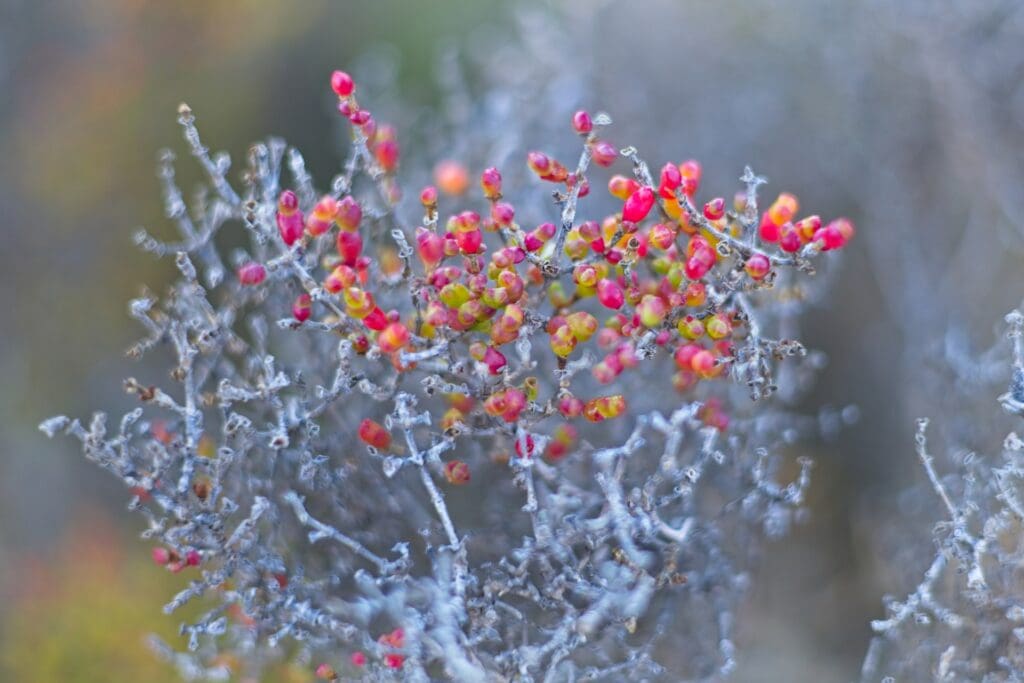
But if you look closer you can see the jewels in the landscape, like the samphire or glasswort whose jointed branches look like strings of coloured beads. Or the red seablite that mixes with the samphire to create rivers of red marsh.
A population at risk
While Corner Inlet retains 80% of its saltmarshes, a salutary lesson can be learned if we look west to Anderson Inlet, where 60% of the marshes have been lost. Or further north to Botany Bay – ironically named for its biodiversity – where losses in some areas are reported as 100%.
However, some plants within the Corner Inlet, including the iconic grey or white mangrove, are endangered. Perversely, if the saltmarshes are not managed well, the system gets out of balance and mangroves take over. So these systems need to be managed carefully.
An island of hope
In 2022, leading Victorian botanists Tim D’Ombrain and Karl Just got wind of a potential sale of Little Dog Island off the coast of Hedley within Corner Inlet.
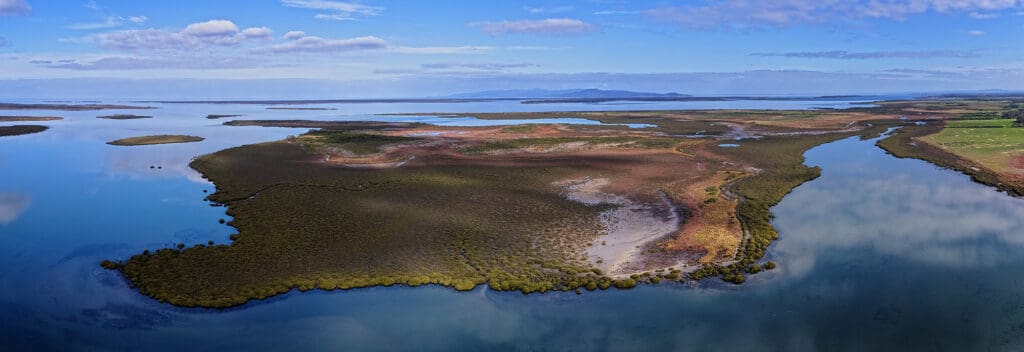
Little Dog Island photo with thanks to Andrew Wallace.
Formerly owned by a group of developers who attempted to build an eco-resort on the island – complete with 9-hole golf course – the 62-hectare island was abandoned when the project failed. It lay idle for 14 years until Tim and Karl invited Federation University paleoecologist Professor Peter Gell, Rendere Environmental Trust Strategic Director Jim Phillipson and Carbon Landscapes co-director Dr Steve Enticott to collaborate on a new conservation project.
Together they formed a not-for-profit organisation called Nooramunga Land & Sea to hold the island in trust for future generations with provisions to enable community engagement and collective land stewardship.
The ‘saltmarsh crew’ are now repairing damage caused by the development and eradicating feral animals and weeds. They’re also investigating opportunities to secure other private properties in the area.
“We see these landscapes as ecological gems in the jewel that is Corner Inlet,” says Jim Phillipson. “They are beautiful and highly productive landscapes that support human health and wellbeing. But they are fragile and easy to disrupt. To protect them, we need to value them and promote their intrinsic value – just by being left alone.”
Like other areas within the Inlet, Little Dog Island attracts a wide range of migratory birds. It may also provide habitat for the critically endangered Orange-bellied Parrot, which feeds on plants that grow in salty or alkaline conditions, such as saltmarshes.
Expectations are high that the Parrot will be spotted on Little Dog Island, with members of the conservation crew participating in BirdLife Australia’s Winter Surveys. The crew are also exploring opportunities to secure other properties in the Inlet to build biolinks and connections for plants, animals and people.
With thanks to Professor Paul Boon, whose research on saltmarsh is published in the CSIRO journal Marine & Freshwater Research and Royal Botanic Garden Sydney journal, Cunninghami