How Connecting Wildlife is Helping the South Coast Protect Land for Good

The event marked an important transition: the official launch of Connecting Wildlife as a locally governed organisation, and the first introduction for many attendees to the model that underpins it. It reflected the organisationโ€™s evolution from one established and supported by BioDiversity Legacy into a locally led conservation entity now governed by a regional board committed to protecting habitat across the South Coast.

Connecting Wildlife is one of the first Local Landholding Entities (LLEs) established through BioDiversity Legacyโ€™s pioneering LLE model, and its emergence marks an important milestone for community-led conservation on the NSW South Coast and beyond.

In the room were people with deep connections to the Eurobodalla region. They were people who had watched development pressure creep closer to high-value bushland; people who had lived through the devastation of the Black Summer fires; and people who had already worked hard to protect important parcels of habitat in the region, often against significant challenges.

What they heard that day was that Connecting Wildlife is living proof that BioDiversity Legacyโ€™s LLE model empowers communities to protect critical habitat – permanently.

The Backstory

Connecting Wildlife board member Courtenay Fink-Downes told the audience that the seeds of Connecting Wildlife grew out of frustration.

โ€œSeveral years ago, a group of us tried to protect a few hectares of land near Mossy Point,โ€ she explained.

โ€œThough small in size, the property was ecologically significant โ€” containing an intact threatened ecological community, habitat for Yellow-bellied Gliders, feed trees for Glossy Black-Cockatoos, and important landscape connectivity.

โ€œThe ecological value was recognised, but no organisation was in a position to take responsibility for the land. So, we had to walk away.”

That experience highlighted a broader gap within the conservation system: local communities were identifying and mobilising around high-value conservation opportunities, but there were very few mechanisms available to help them securely hold and steward land over the long term.

What this group was experiencing was not an isolated problem, nor was it unique to their region. It was a clear example of a recurring structural gap within the conservation landscape โ€” one that continues to place important habitats at risk despite strong local commitment to protecting them.

It is this broader system gap that BioDiversity Legacy was established to help address – creating pathways that enable communities, conservation groups and local stewardship organisations to secure, hold and protect ecologically significant land that might otherwise be lost.

Finding the Mechanism

The pathway forward began to take shape when Connecting Wildlife board member Julie Taylor Mills learned about BioDiversity Legacyโ€™s Local Landholding Entity model. She quickly realised it could be the ideal vehicle to protect an 80-acre property near Meringo, south of Moruya, that young local naturalist Ned McNaughton had identified as vulnerable to subdivision.

For Julie, it was the missing piece.

The strategy moving forward was twofold:

  • First, enable Connecting Wildlife as a not-for-profit conservation organisation to purchase and secure the property – now proudly known as Nedโ€™s Forest – to protect and restore habitat connectivity for wildlife.
  • Second, over time, transition the governance of Connecting Wildlife to a locally governed structure that could hold the land securely while enabling genuine local stewardship.

BioDiversity Legacyโ€™s Role

BioDiversity Legacyโ€™s role in this story has been catalytic and foundational. Working alongside the local community, it established Connecting Wildlife as a not-for-profit company limited by guarantee, enabled the legal structure required to hold land securely, and supported the acquisition of Nedโ€™s Forest.

Since then, BDL has continued to support Connecting Wildlife, including facilitating a Biodiversity Conservation Trust covenant over the property and registering it as a Wildlife Land Trust site.

At the same time, it has supported the transition toward a locally governed board โ€” one capable not only of overseeing Nedโ€™s Forest, but of holding future conservation opportunities as they arise.

Dixie Fitzclarence, BDLโ€™s Head of Conservation, Engagement and Partnerships, explained the mechanics of the model to the crowd:

โ€œIn practical terms, an LLE can hold the land title securely. Its constitution, governance and purpose are all designed to ensure the land stays protected. But the day-to-day care of each place can be carried out by whoever is best placed locally โ€” community groups, neighbours, Landcare networks or ecological specialists.

โ€œThis separation between ownership and stewardship is one of the quiet innovations of the model. Land can be protected permanently, while stewardship remains flexible and locally responsive.โ€

This is the changemaking role BioDiversity Legacy plays. It does not replace local leadership; it makes local leadership possible.

From Nedโ€™s Forest to a Regional Platform

Nedโ€™s Forest is the first property protected by Connecting Wildlife, but it is not the endpoint.

It is the beginning of something broader โ€” a locally governed conservation vehicle capable of responding to opportunities across the South Coast as they arise.

As the event wound down over tea and biscuits, attendees began sharing their own stories โ€” of land they had tried to protect, of habitat under pressure, and of new possibilities they could now imagine through Connecting Wildlife.

For many in the room, the significance was clear: this was no longer just about a single property. It was about a structure that makes lasting, community-led conservation possible.

And that changes what can be protected โ€” and by whom.

Connecting Wildlife is part of a growing network of Local Landholding Entities emerging across Australia through BioDiversity Legacyโ€™s national LLE framework โ€” a coordinated model for establishing locally governed conservation organisations capable of securely holding and stewarding land across different landscapes and regions.

BioDiversity Legacy will continue to play a supporting role in Connecting Wildlifeโ€™s journey โ€” providing governance and technical support where needed, strengthening organisational systems, and ensuring the integrity and continuity of the LLE model as it expands into new landscapes and communities.

Photo top (left to right): Connecting Wildlife Board Courtney Fink-Downes, Shannon Leard, Julie Taylor Mills and Jim Phillipson celebrate the official launch of Connecting Wildlife.

When Computer Science Meets Conservation

But like many not-for-profits, we are constantly balancing the need to invest in better systems while ensuring precious resources remain focused where they matter most: conservation outcomes.

So, when an opportunity arose to collaborate with Worcester Polytechnic Institute (WPI) students in the United States on a Customer Relationship Management (CRM) system, we jumped at it.

Not only would the students help us tackle – and better understand – the renowned complexity of CRMs, they could tailor a system specifically to our needs. This would help streamline our operations, strengthen relationships and, most importantly, support the growth of community-led conservation across Australia.

An unexpected opportunity

BioDiversity Legacy was introduced to WPIโ€™s renowned global outreach program by our colleagues at the Rendere Environmental Trust, who share our commitment to supporting next-generation collaborations.

Rendere has previously completed two successful projects through the program, which has seen more than 1,000 students visit Melbourne to partner with government agencies, not-for-profits, and private organisations on real-world problems since 1998.

The brief and process

The design brief was ambitious: centralise BDLโ€™s growing network of relationships, projects, properties, partnerships, and governance pathways into a scalable, easy-to-use CRM that could evolve alongside the organisation.

Over eight weeks, three students from Boston collaborated with BDLโ€™s executive team – interviewing staff, mapping workflows, identifying operational bottlenecks, and researching various CRM systems.

According to BDLโ€™s Head of Science & Environment, Abi Wills, the iterative nature of this approach led to a much stronger outcome.

The team eventually settled on Monday.com, which offers a not-for-profit licence that directly addressed our concerns around long-term costs.

โ€œBy observing staff in their natural workflows, the students uncovered small but important details that might otherwise have been missed – insights that helped shape a system grounded in how we actually work.โ€

For the students, the experience reinforced an equally important lesson: great technology starts with understanding people.

More than technology

For both BDL and the students, the experience was about far more than systems design; it was also a rich cultural exchange.

As part of their time in Australia, the students explored both city and country. This included a field trip – alongside students from the University of Melbourneโ€™s Master of Environment program – to an EcoGipps property in Gippsland, where they saw firsthand what BDLโ€™s community-led conservation looks like on the ground.

Next steps

While the CRM is now operational, this is only the beginning.

Over the coming months, BDLโ€™s team will continue testing, refining, and expanding the platform. The goal is to ensure it becomes a living system that saves time, strengthens organisational knowledge, and creates new efficiencies as BDL continues to grow.

โ€œIt was a deeply rewarding partnership for everyone involved,” concludes Abi. “We benefited from the studentsโ€™ analytical thinking and fresh perspective, while also learning about their ambitions, ideas, and experiences. In return, they gained practical skills and exposure to the kinds of challenges they may one day face in their own careers.โ€

Photo top: Students Joseph DiPietro second from left, Alexander Jewkes fourth from left, next to Pierce Lindsay. Pictured with BioDiversity Legacy and WPI support staff.

Community Secures Major Win for Painkalac Valley Wetlands

The Painkalac Project is a locally driven initiative that will see the return of a working floodplain with significant benefits to the area.

The benefits include an increase in the numbers and species of indigenous flora and fauna. A smaller private restoration project further up the valley has seen dormant seeds of wetland plants regrow and many animal, insect and wetland-dependent bird species return to an enriched environment over the past seven years.

A working floodplain will reduce downstream flood risks by diverting water into ephemeral wetlands and lower the number of artificial openings of the inlet needed to release excess river flow. Allowing the floodplain to recover and retain more water in the valley soil will also result in a cleaner creek as its waters are filtered by the wetlands.

Community action

The new future for the valley has been made possible through a donation from two local community members – both long-standing members of local community groups – the Anglesea and Aireys Inlet Society for the Protection of Flora and Fauna (Angair) and the Aireys Inlet and District Association (AIDA). The donation has provided funds for the acquisition of the existing 99-year lease, as well as providing money to support the long-term management of the land.

A community-based organisation, the Painkalac Project, will manage the land. The group will be guided by a science-based masterplan for the ecological restoration of the valley, which will be developed in consultation with the local community and relevant organisations, including CFA, Forest Fire Management, DEECA, Barwon Water, the Great Ocean Road Coast and Parks Authority, the Corangamite Catchment Management Authority, the Surf Coast Shire, AIDA and Angair. The group looks forward to working with the Wadawurrung Aboriginal Corporation as the plan is developed and implemented.

BioDiversity Legacy’s support

BioDiversity Legacy has developed a pioneering approach to protecting land for biodiversity by supporting the establishment of community-governed not-for-profits and facilitating the transfer of land titles into these safe ownership structures. These not-for-profits – called Local Landholding Entities – are purpose-built with effective governance to ensure that conservation properties are protected into the future. The approach benefits people as well as biodiversity, as it enables individuals and communities to ensure the ongoing protection of natural spaces that are valuable to them, beyond their lifetimes.

BioDiversity Legacy provided considerable support that made the Painkalac Project possible, including working closely with the landholders, community members, and liaising with partners, lawyers and others that enabled the land to be secured for future generations.

โ€œWeโ€™re just so excited to see this project come into fruition for the Painkalac communities, and to have played our part in making it possible,” said BioDiversity Legacy’s Jyoti Kala.

โ€œBioDiversity Legacy is a not-for-profit, and we don’t charge a fee for the services we provide. We rely on philanthropic donations, grants, and voluntary contributions from those who value our work. We invite those who benefit from our services to make a tax-deductible donation in support of our mission.โ€

When Support for Nature Is High, Why Is Funding So Low?

The Australian Land Conservation Alliance (ALCA) has, for the first time, systematically analysed how much is actually being spent on nature across Australia. Its Nature Spend Tracker Insights Report reveals a significant and persistent gap between what is needed to protect biodiversity and what is currently being invested. Even with increased government spending, the shortfall remains substantial. In other words, meeting the scale of the biodiversity crisis will require more than public funding alone. It will depend on a broader mix of investment, including philanthropy, private contributions and community support.

Governments cannot act alone

The Nature Spend Tracker brings together federal, state, territory, philanthropic and private funding to establish Australiaโ€™s first national baseline for biodiversity investment. The findings are sobering.

Federal government spending on biodiversity was estimated at $649 million in 2025, with 91% concentrated in just five national programs. To put that in perspective, itโ€™s less than 0.1% of the budget, and a fraction of whatโ€™s needed. At the same time, Australia is estimated to spend $26.3 billion annually on subsidies that harm biodiversity – more than 17 times what is spent protecting it.

State and territory governments contribute a similar amount, around $635 million per year. However, this figure includes a mix of biodiversity protection, environmental management and compliance activities, meaning the portion directly benefiting biodiversity is likely lower.

Against this, the scale of need is clear. The report estimates that Australia requires around $8.3 billion every year simply to protect and repair environmental damage – and this does not include the long-term costs of managing and restoring landscapes. Taken together, these figures point to a profound funding gap.

The role of philanthropy

Philanthropy is often seen as a way to help bridge this gap. Yet its current contribution to environmental protection remains relatively small. Data from the Australian Charities and Not-for-profits Commission suggests that around $250 million is raised annually by environmental non-profits. According to the Australian Environmental Grantmakers Network, however, less than 4% of total philanthropic giving in Australia (and internationally) goes to the environment.

This reveals a disconnect; while Australians care deeply about nature, only a small proportion of charitable giving is directed toward protecting it.

Where organisations like BioDiversity Legacy fit

More than 60% of Australiaโ€™s landmass is privately owned or managed. Many threatened species depend on habitats outside national parks and public reserves, making private land conservation essential.

This is where organisations like BioDiversity Legacy play a critical role. By working with landholders, communities and donors, BioDiversity Legacy helps create pathways to permanently protect and restore ecologically-significant land. This work directly addresses the gap between widespread public support for nature and the resources required to safeguard it.

Turning support into impact

The findings from ALCAโ€™s research make one thing clear – governments cannot meet this challenge alone. But there is a pathway forward. Through a combination of public investment, philanthropy and community action, it is possible to close the gap and secure meaningful, long-term outcomes for nature.

For those looking to contribute, supporting organisations like BioDiversity Legacy is one way to turn concern into action. Even modest contributions can help protect critical landscapes and the species that depend on them – now and into the future.

Help close the gap for nature. Donate to BioDiversity Legacy today.

Beyond Grassroots: How Hyperlocal Networks Are Transforming Conservation

At BioDiversity Legacy, weโ€™re often described as working at the โ€œgrassrootsโ€ of conservation.

To most people, the term grassroots means community-led action, which we support and champion, but we also see conservation unfolding on an even more intimate, fluid scale through what we call hyperlocal networks.

These networks form when neighbours, landholders or individuals with a deep connection to a species or landscape begin sharing knowledge, concerns and ideas about protecting the places they love. Often centred on a single ecosystem, they represent a decentralised, community-driven approach to environmental care and stewardship.

In fact, these place-based relationships have helped lay the foundations for several BioDiversity Legacy projects, including Nooramunga Land & Sea and Connecting Wildlife.

Hyperlocal networks hold enormous potential, but they often need the right connectors to bring people, knowledge and opportunities together. Thatโ€™s where BioDiversity Legacyโ€™s Biolink Coordinators come in.

Turning care into action

Residing in regions around Australia, our Biolink Coordinators are embedded in the community and empowered to translate local care for nature into practical conservation outcomes by:

  • Building trusted relationships within and across communities and regions
  • Facilitating regional biolinks that connect habitats and landscapes
  • Identifying conservation opportunities that might otherwise be overlooked
  • Guiding landholders through pathways to protect their land

These coordinators donโ€™t impose solutions. Instead, they guide, facilitate and catalyse conservation in ways that are locally appropriate, practical and enduring.

The power of a conversation

Much of this work begins in simple, human ways – a discussion at a local event, a shared interest in wildlife, or a landholder wondering what might happen to their property in the future.

We jokingly refer to this engagement as a โ€˜Cuppa Conservationโ€™ โ€” the idea that meaningful conservation often begins by sitting down, listening and building trust.

Not every conversation leads immediately to land protection. But every conversation strengthens the relationships that make conservation possible. Over time, those conversations begin to connect.

From small conversations to lasting impact

Research increasingly shows our instincts about hyperlocal networks are correct.

As Professor Ashley Dawson writes in Environmentalism from Below (2024), โ€œConservation succeeds when it is embedded in community values; when the voices and profiles of individuals and groups who inspire others are amplified, and when the natural power of social networks is leveraged to spread the message that local people can change the world.โ€

A model for the future

The future of conservation will not be led by government alone. It will be built by people who care deeply about place, supported by trusted local leaders who can help turn intention into action.

BioDiversity Legacyโ€™s Biolink Coordinators are helping lead that shift by acting as connectors and facilitators, turning conversations into collaborations – and collaborations into protected landscapes.

What Will It Take to Scale Conservation Covenants in Australia?

As a values-aligned organisation, BioDiversity Legacy regularly attends Land Covenantors Victoria’s quarterly lecture series which, most recently, has invited prominent academics to provide insights into their research on covenanting in Australia – and what can be done to support more landholders to get involved.

As a values-aligned organisation, BioDiversity Legacy regularly attends Land Covenantors Victoriaโ€™s quarterly lecture series. The most recent events have featured prominent academics sharing insights from their research on covenanting in Australia โ€” and outlining what can be done to encourage more landholders to take part.

In Part 1, we covered Deakin University researcher Dr Carla Archibaldโ€™s presentation on landholder motivations for covenanting. In this second instalment, we reflect on an important lecture by The Nature Conservancy Senior Advisor, Global Protection Strategies, Dr James Fitzsimons, examining the current state of covenanting in Australia and the critical role covenantors can play in securing the nationโ€™s environmental future.

About the speaker

Dr Fitzsimons has spent over 27 years designing and researching the policy and governance settings that underpin effective private land conservation. A long-time covenantor who stewards land in Central Victoria, Dr Fitzsimons, has held roles with the Victorian Government, The Nature Conservancy, as well as adjunct research positions at Deakin University and the University of Tasmania.

During the lecture, Dr Fitzsimons placed covenants within a broader Victorian, national and international context, highlighting both their potential and the role governments must play if privately protected areas are to meaningfully contribute to Australiaโ€™s national biodiversity targets. Here are his insights.

Australiaโ€™s 30×30 target – and the looming gap

Australia has committed to protecting 30% of lands and fresh waters and 30% of its oceans by 2030, under the Kunmingโ€“Montreal Global Biodiversity Framework. Currently, around 24% of land is protected – up from just 7% in the mid-1990s. This growth came from:

  • State and territory reserve expansion
  • The National Reserve Systemโ€™s targeted land acquisition program (now discontinued)
  • The globally recognised Indigenous Protected Area program
  • Private land trusts and covenanting programs

However, to reach 30% by 2030, Australia needs to protect an additional 6% of land within five years. โ€œThereโ€™s still a lot of work to do,โ€ Dr Fitzsimons said. โ€œPrivate land conservation will be essential if weโ€™re going to get there.โ€

The role – and growth – of conservation covenants

Conservation covenants form the backbone of Australiaโ€™s privately protected area network. New data presented by Dr Fitzsimons, undertaken by PhD student, Sarah Burgler, shows:

  • Victoria has the most covenants numerically
  • Queensland has fewer covenants, but a very large area is protected
  • NSW is the fastest-growing state, thanks in part to a major policy shift
  • South Australia has grown slowly since an initial surge in the early 2000s
  • Western Australia is growing more slowly than other states

Why NSW is surging

NSWโ€™s growth is strongly linked to a shift from a government-run program to a trust-based model (similar to Trust for Nature) and the introduction of stewardship payments – annual, guaranteed payments attached to covenant obligations. This model has proven especially attractive to farmers who gain:

  • A stable income stream
  • Predictable financial support in variable climate and market conditions
  • Recognition of conservation as part of a working property

Challenges on the horizon: climate change, complexity and competing land uses

Dr Fitzsimons outlined several emerging challenges and opportunities.

1. Covenants must adapt to climate change

Climate impacts – heatwaves, wildfires, sea-level rise – will reshape ecosystems. This raises questions:

  • Should covenants include rolling boundaries to allow habitats to shift?
  • How can landholders be supported as vegetation quality changes?
  • What will climate-resilient covenants look like in practice?

2. The landscape of incentives is growing more complex

Landholders now face multiple programs:

  • Carbon markets
  • Biodiversity markets
  • Nature Repair Market projects
  • Land for Wildlife
  • Covenants

Choosing the right model – or combination – requires clearer guidance and careful sequencing; in other words, getting the sequencing wrong may preclude eligibility for some of these if others have already been implemented.

3. Second-generation covenantors will have different needs

Many covenants were signed by passionate, first-generation owners. Future owners may:

  • Have different motivations
  • Have different financial situations
  • Require more support to maintain covenant obligations

4. Restoration covenants will become more important

Protecting high-quality remnants is no longer enough. Australia needs large-scale restoration. However, restoration:

  • Is more complex
  • Requires more oversight
  • Requires different policy settings and incentives

5. Land-use competition is intensifying

Renewables, critical minerals, housing and agriculture are all placing pressure on land availability. Strategic planning will be essential.

Bringing the insights together

Across both Dr Archibald’s and this talk, a shared message emerged: Private landholders are essential to Australiaโ€™s conservation future. According to Dr Fitzsimons:

  • They are already caring for vast areas of the country.
  • They are motivated by a mix of passion, purpose and stewardship.
  • They need supportive, fair and flexible policy settings.
  • They play a crucial role in connectivity, refugia, climate adaptation and ecosystem services.

Covenants remain one of the most powerful tools available to secure biodiversity forever. But for covenants to fulfil their potential, Australia needs:

  • Better financial and non-financial incentives.
  • Strong national recognition of covenantors.
  • Simplified and equitable tax and rate frameworks.
  • Support for future covenant owners.
  • Policies aligned with climate adaptation and restoration needs.

The role of LCV

Land Covenantors Victoria is uniquely positioned to:

  • Advocate for equitable incentives.
  • Represent covenantors to government and agencies.
  • Share knowledge, science and peer support.
  • Strengthen the recognition of covenantors as essential contributors to Australiaโ€™s biodiversity goals.

With member leadership and growing research partnerships, LCV is helping shape the next generation of policy and practice for private land conservation.

*LCV holds guest speaker events quarterly in its ‘home base’ at the Royal Society of Victoria in Melbourne CBD. They are always interested in hearing from conservation and covenanting leaders. Please reach out if you wish to become a member, friend or presenter.

Private land covenants: why landholders act โ€” and why it matters

At BioDiversity Legacy, we work closely with people who may already have conservation covenants on their land or are deciding whether to do so. Alongside this, our Local Landholding Entity (LLE) model offers another pathway to permanent protection, transferring land into a dedicated, community-led not-for-profit structure. These approaches are not competing solutions. Rather, we see conservation covenants as complementary to the protections enabled through the LLE model, together strengthening Australiaโ€™s private land conservation estate.

Understanding what motivates landholders to choose these pathways – and what supports them to care for land over the long term – is essential if Australia is to meet its biodiversity commitments.

To help inform our work, we regularly engage with sector partners, including the Australian Land Conservation Alliance and Land Covenantors Victoria (LCV). Recently, LCV hosted two leading researchers, Dr Carla Archibald and Dr James Fitzsimons, who shared local and global insights into landholder motivations for covenanting and the policy settings needed to scale impact.

This two-part blog series explores those insights. In this first piece, we focus on Dr Archibaldโ€™s research into why landholders adopt conservation covenants and what drives long-term stewardship. A second article, to be published in March 2026, will examine Dr Fitzsimonsโ€™ research on the urgent role governments must play if conservation covenants are to help Australia meet its national biodiversity goals.

Before we delve into this exploration, letโ€™s start with the basics. What is a covenant?

A conservation covenant is a voluntary, legally binding agreement between a landholder and an authorised body to protect and care for land with important natural, cultural and/or scientific values. The landholder retains ownership and can continue to live on and use the land, while agreeing to manage all or part of it in ways that conserve its identified values, in partnership with the authorised body.

Authorised bodies (often called covenant scheme providers) may include not-for-profit organisations, government agencies or local councils that have the authority to enter into conservation covenants with landholders; for example, Trust for Nature in Victoria, Biodiversity Conservation Trust in NSW and the Tasmanian Land Conservancy (TLC).

For more than a decade, Dr Carla Archibald has studied private land conservation and the social dynamics behind environmental behaviour. Her recent research – based on a survey of 475 landholders in New South Wales – asked a simple but powerful question: What drives someone to commit their land to long-term conservation?

Conservation is already happening quietly, everywhere!

One of the most striking findings of the survey is just how widespread voluntary conservation already is in NSW. Over 80% of surveyed landholders were actively undertaking conservation management – weed control, revegetation, pest and feral animal control – independent of any formal agreement.

Only 15% of those surveyed had a legally binding conservation covenant, but another 39% were involved in programs such as Land for Wildlife. This suggests an enormous, untapped pool of landholders who are already engaged but may need additional support, confidence or incentives to take the next step.

Dr Archibaldโ€™s research identified four key drivers:

1.Existing conservation engagement

Landholders already actively caring for their land were eight times more likely to adopt a covenant. This points to a progressive pathway: care – commitment – covenant.

โ€œPeople who are passionate about conservation are the ones willing to make a permanent commitment,โ€ said Dr Archibald.

2. Time and capacity

Those with more time to undertake stewardship were 1.6 times more likely to covenant their land. Surprisingly, retirement status did not influence adoption, suggesting time, not age, is the real barrier.

3.Suitable land available

Landholders who knew they had ecologically valuable or suitable areas were twice as likely to adopt. Property size itself didnโ€™t matter. Agencies could therefore target properties with high conservation potential – focusing on ecological fit, not acreage.

4.Income and incentives

Financial incentives ranked lower than expected. However, landholders earning income from their land were more likely to adopt covenants. This shows:

  • Conservation can co-exist with primary production
  • Environmental markets in NSW are making conservation a sound business proposition
  • Conservation actions can enhance farm productivity and ecosystem services

The overarching message from Dr Archibaldโ€™s research is clear – covenants are most successful when they align biodiversity outcomes with the social and economic realities of landholders.

Programs that acknowledge landholder capacity, income reliance and ecological assets have the best chance of expanding uptake.

She noted that policymakers are increasingly recognising this and praised LCVโ€™s successful advocacy work – particularly the push for land tax exemptions for covenantors.

Looking ahead, Dr Archibald hopes to explore how sustainable finance mechanisms could underpin long-term conservation and community resilience.

Turning the Tide for Our Coastal Saltmarsh

Visiting Bullock Island on a gusty high tide is not for the faint-hearted. But for a small group of committed volunteers, the challenge is more than worth it. A bit of cold, wet and mud is a small price to pay for an up-close encounter with one of Victoriaโ€™s most remarkable saltmarsh environments.

Getting there is part of the adventure. Bullock Island sits within the iconic Corner Inlet in South Gippsland, a site of international importance under the Ramsar Convention. Reaching it requires a capable 4WD and a 30-minute drive along sandy, rutted tracks flanked by Manna Gums, Stringybarks, Grass trees and century-old Banksias. Wet weather gear, food, water and a good camera are essential – especially if youโ€™re lucky enough to spot one of the inletโ€™s rare birds along the way.

Jewels in the landscape

Once on the island, youโ€™re rewarded with a sweeping ecological tapestry. Beaded and Shrubby Glassworts, Pigface, Austral Seablite, Swamp Paperbark, Austral Brooklime, native grasses and White Mangrove forests paint the landscape in shifting tones of green, red, silver and gold.

On this particular visit, the volunteers have a mission – to retrieve remote-sensing cameras placed around a freshwater hole on the 72-hectare island to monitor fauna. As they cross the long causeway, a mob of kangaroos bounds across the tidal flats – a fitting welcome to this wild and beautiful place framed by the dramatic hills of Wilsons Promontory to the south.

Protecting Nooramunga Land & Sea

Bullock Island is the second island to be secured by Nooramunga Land and Sea (NL&S), a not-for-profit Local Landholding Entity supported by BioDiversity Legacy and dedicated to protecting and restoring these fragile coastal landscapes for future generations.

Along with neighbouring 60-hectare Little Dog Island, Bullock Island bears the scars of past farming and recreational use. Now, however, these islands are being carefully managed to heal. Rising sea levels due to climate change pose a challenge – but also an unexpected opportunity. Storm surges bring salty water that can kill off invasive weeds such as pasture grasses, helping native saltmarsh species reclaim their ground.

The islands are also blue carbon powerhouses. Their muddy soils lock away vast amounts of carbon, making them critical allies in the fight against climate change while nurturing biodiversity.

Watching Over a Global Bird Haven

Remote cameras are one of the tools that the NL&S stewardship team uses to watch over Bullock and Little Dog Islands. Carefully placed in the landscape, they support the detection of native fauna and help to identify potential threats – such as feral deer and foxes – to these internationally significant places.

Bullock Island is a vital stopover for migratory shorebirds and local beach-nesting birds alike. Visitors include the Critically Endangered Far Eastern Curlew, Curlew Sandpiper, Great Knot, Endangered Lesser Sand Plover, Red Knot and the Vulnerable Hooded Plover.

The island may even provide habitat for Australiaโ€™s most threatened bird, the Orange-bellied Parrot, which travels from Tasmania each year to feed on Victoriaโ€™s saltmarshes. With historic sightings in South Gippsland, the NL&S team remains hopeful of a future encounter.

A Wild Place Worth Protecting

Despite the long day, wet clothes and muddy boots, the volunteers leave Bullock Island with hearts full. They speak of the thrill of standing in a landscape where tidal creeks carve graphic patterns through the saltmarsh, where the texture of grasses and rushes shifts with the light and where each visit reveals something new.

They also carry with them a renewed commitment to the NL&S stewardship plan – a long-term vision to protect these living carbon sinks, strengthen habitat for endangered species and give the next generation the chance to witness the magic of this wild place.

Read more about NL&S, how theyโ€™re protecting critical saltmarsh ecosystems in South Gippsland, and BioDiversity Legacy’s role in this important work, HERE.

EcoGipps: Growing a Living Legacy in Central Gippsland

At its heart is a 105-hectare (259-acre) property – North Paddock – in Maffra West Upper, Central Gippsland – land that the Phillipson family has generously donated to BioDiversity Legacy for permanent protection and long-term stewardship.

This remarkable act of generosity – one of three donations planned by Jim, Heather, David and Kate Phillipson – was years in the making, involving thoughtful conversations about succession, care, responsibility and what it truly means to leave a living legacy.

The Backstory

Jim and Heather Phillipson grew up on farms around Sale in Central Gippsland. Jim went on to become a highly respected business leader and Heather a dedicated community nurse. Wanting their children, David and Kate, to experience the same grounding in nature, Jim and Heather purchased a 36-ha (90-acre) property on the Wirn wirndook Yeerung (Macalister River). They began restoring the old grazing paddock by replanting trees, nurturing remnant grasslands and riparian woodlands and protecting regionally significant plant species.

Along the way, Jim and Heather encountered passionate ecologists, conservation groups and land managers who helped shape their understanding of landscape stewardship. Over time, they came to realise that real impact comes from thinking beyond a single property: habitat must connect, landscapes must link, and communities must act together.

With that in mind, the family purchased three additional properties – covering approximately 358 ha (884 acres) from Maffra West Upper to the rugged foothills of the Victorian Alps. For decades, the properties were used as grazing stops for cattle herded up to the high country for summer grazing, a practice now restricted due to its environmental impacts.

The Phillipsons saw another future for this land.

Establishing the EcoGipps Venture

Driven by their growing vision, the Phillipsons created EcoGipps – a venture dedicated to managing their properties and developing an on-site conservation and learning hub. Today, EcoGipps supports school groups, international volunteer workers (WWOOFers), hikers, field naturalists and birdwatchers – offering a place to learn, contribute and connect.

Immersed in this work, the family gained deep insights into the challenges faced by landowners seeking to protect, restore and share their property/ies for conservation. They also saw their local efforts against the larger backdrop of climate change and biodiversity loss.

Engaging with groups such as Land for Wildlife and Trust for Nature, the family progressively placed conservation covenants on the properties. While everything was progressing well, one persistent question remained: “What happens to the land when we can no longer care for it?”

The Phillipsons soon discovered this question echoed across the private land conservation sector – many landholders had the will and passion to restore their properties, but no clear pathway for ensuring those efforts would endure.

Enter BioDiversity Legacy

BioDiversity Legacy was established to provide a solution to this very problem – by creating clear, practical pathways for landholders, communities, partners, and donors to ensure enduring protection and stewardship of land for future generations. This unique approach places land in secure, not-for-profit ownership structures, backed by strong legal and governance safeguards that remove it from the property market, protect it from future sale or development and ensure it is responsibly stewarded over the long-term.

In 2025, the Phillipsons donated North Paddock on Gunaikurnai Country, to BioDiversity Legacy. This was a moment that crystallised what the Phillipsons had been looking for: a trusted, long-term partner to carry their legacy forward.

The Significance of North Paddock: Biodiversity values

North Paddock’s ecological significance is considerable – meeting four objectives of the Trust for Nature Statewide Conservation Plan and rated as โ€˜Very Highโ€™ conservation value. Several habitat types have also been identified as depleted or endangered by the Department of Energy, Environment and Climate Action (EVC benchmarks).

Habitat includes lowland and herb-rich woodland forests, Swamp scrub, White and Red Stringybark and Blue/Red Box eucalypts and a rare tea-tree soak. Read more about the types of habitat found on the property, as well as rare plants, wildlife and birds (read more here).

More importantly, the property represents a key biolink within a vast core habitat area linking Coongalla Bushland Reserve with the Avonโ€“Mt Hedrick Scenic Reserve and onward to the Victorian Alps.

Next Steps

With the transfer of North Paddock complete, the Phillipsons are now advancing plans to transfer their two additional properties, totalling 253 hectares, into BioDiversity Legacyโ€™s safe ownership structure in the coming years.

BioDiversity Legacy is also working closely with the Phillipsons to further develop the EcoGipps venture into a stewardship entity that can take care of managing the properties into the future.

Heather Phillipson will continue leading restoration efforts at North Paddock, with Caroline Trevorrow joining as a dedicated Stewardship Coordinator to oversee the organisationโ€™s activities. Thus, the initiative is creating local employment in conservation, as well as the education and community engagement opportunities that are at the core of the EcoGipps mission.

A Living Legacy for Future Generations

The transition of North Paddock into BioDiversity Legacyโ€™s care marks a significant milestone for the private land conservation movement. It demonstrates a clear, practical pathway for landholders who want to permanently protect their land, ensure best-practice stewardship and contribute to something much bigger than themselves.

The Phillipson familyโ€™s vision – and their courage to act on it – has created a model that others can follow.

It reminds us that conservation is not only about restoring landscapes. Itโ€™s about restoring connection: to Country, to community and to the future. Their story shows what becomes possible when people choose to give back to the land that has given them so much. And it lights the way for others who wish to leave a living legacy for future generations.

Connecting Country: Growing a Landscape Vision on the Far South Coast

In October, BDL Communities & Stewardship Manager, Robyn Edwards, visited a remarkable 27-ha property adjoining Tilba Tilba Lake in the Gulaga/Eurobodalla region that has been lovingly restored over the past 45 years by members of the Tilba Lake Community (TLC).

The property, once cleared and degraded, has been transformed into a thriving haven for biodiversity, with over 200 bird species recorded, a healthy Diamond Python population, returning Long-nosed Bandicoots and nationally endangered species, including the Glossy Black-Cockatoo and Hooded Plover.

During the visit, Robyn joined Local Land Services NSW and TLC members Geoff Pryor, Noel Pratt, Dr Liz Dennis and her son, Dr Clancy Dennis, in a wide-ranging conversation about the propertyโ€™s natural and cultural values, land transition pathways and the Biosphere Region proposal originally developed by the Tilba Environment Landcare Group as part of the Tilba Chamber of Commerce strategy review in the wake of the 2019โ€“20 bushfires.

โ€œA big part of our role at BioDiversity Legacy is guiding communities through a progression – from connection and learning to agency, active hope and, ultimately, positive, lasting conservation pathways,โ€ says Robyn.

โ€œIt was inspiring to meet the landholders, learn about the Yuin peopleโ€™s connection to Country and see how the Tilba property has been brought back to life. Weโ€™ll do what we can to support this group and the wider community to pursue their landscape vision.โ€

Photo right: Shareholders of the Tilba Lake Community Pty Ltd property enjoyed conversations with BioDiversity Legacy’s Robyn Edwards. Left to right: Noel and Geoff Pryor, Robyn Edwards, Liz Dennis and son Clancy.

Empowering Landholders and Communities: Reflections from the 2025 ALCA Conference

The conference theme – Scaling Up: Local Action for Global Solutions – echoed what drives our work at BioDiversity Legacy every day: empowering and facilitating landholders and communities to protect the land they love – from early steps in land stewardship to formal and lasting protection.

Shared purpose and momentum

The Australian Land Conservation Alliance (ALCA) is the national peak body for organisations working in private land conservation, bringing together people who are actively restoring and safeguarding nature on privately managed land. This yearโ€™s event created a powerful space for sharing knowledge, building partnerships and exploring innovative models for long-term protection.

BioDiversity Legacy was proud to be announced as one of ALCAโ€™s newest member organisations, alongside the National Landcare Network – a milestone that reflects our growing role in this national movement (see the full list of ALCA members here).

Contributing to the conversation

BioDiversity Legacy staff were delighted to play an active role in the Land Conservation Forum for Landholders on Tuesday, 7 October, with our Head of Conservation Engagement & Partnerships, Dixie Fitzclarence, co-presenting a session with Andrew and Angus Cleary from Nuggan Sanctuary, who shared their familyโ€™s inspiring conservation journey and their work to secure lasting protection for their land.

BioDiversity Legacy’s Far North Queensland Biolink Coordinator, Keith Smith (who is also involved in Queenslandโ€™s Private Protected Area Program), participated in the Ask an Expert session, offering insights into land management and conservation practices.

Inspired for whatโ€™s next

Says Dixie: “The week was filled with insight and connection. MC Sean Dooley kept spirits high and Peter Garrettโ€™s closing remarks left the room energised for the road ahead. We left Cairns inspired and looking forward to reconnecting with everyone in Lutruwita/Tasmania next October for ALCA26 and in Naarm/Melbourne for the 2027 International Land Conservation Network Global Congress.โ€

Two islands, one vision – safeguarding Corner Inletโ€™s saltmarsh communities


A safe haven for migratory birds, small mammals and lizards and vulnerable saltmarsh plant communities

Bullock Island joins neighbouring Little Dog Island as part of a growing legacy of land protected within the iconic Corner Inlet โ€“ a Ramsar-listed wetland of international significance.

Both islands were previously zoned for farming and recreational use, placing over 132-ha (330-acres) of valuable coastal saltmarsh at risk. In fact, the 60-hectare Little Dog Island was previously developed as a golf resort, which caused significant damage.

With funding from the Upotipotpon Foundation and support from Biodiversity Legacy, the NL&S team secured the island, with the stewardship team about to conduct surveys and monitoring to see what’s on the island and undertake habitat restoration and enhancement works to protect vulnerable species and help them thrive.

Land protection and stewardship team

The NL&S team consists of leading ecologists, environmental philanthropists, carbon landscape experts and researchers with deep roots in ecological restoration and land protection. They include:

  • Karl Just (Karl Just Consulting)
  • Tim Dโ€™Ombrain (Biodiversity Services)
  • Dr Steve Enticott (Carbon Landscapes)
  • Kristin Monie (Ecological Researcher)

Jim Phillipson, Strategic Director of the Rendere Environmental Trust, also provided support for the initiative, with volunteers, local landholders, Traditional Owners, citizen scientists and community partners also invited to collaborate on efforts to protect these landscapes, which are vital for biodiversity, carbon storage and climate resilience.

A Living Mosaic

Framed by Wilsonโ€™s Promontory to the south and South Gippslandโ€™s green hills to the north, the 72-ha Bullock Island presents a rich tapestry of native grasses, salt-tolerant shrubs, Swamp Paperbark and colourful succulents, such as Beaded and Shrubby Glassworts, Pigface, Austral Seablite and Austral Brooklime.

Like many of the sandy islands in Corner Inlet, Bullock Islandโ€™s intertidal mudflats and waters support large areas of White Mangrove and Broad-leafed Seagrass; communities of limited distribution in Victoria.

Sanctuary for rare and migratory birds

Corner Inlet is a haven for birdlife, supporting an estimated 20% of Victoriaโ€™s entire wader population. Now linked by intertidal flats, Bullock and Little Dog islands offer crucial safe habitat for several threatened species, including:

  • Critically Endangered: Far Eastern Curlew, Great Knot, Curlew Sandpiper
  • Endangered: Lesser Sand Plover, Red Knot
  • Vulnerable: Hooded Plover, Australian Grayling, Swift Parrot

There is also quiet optimism that the islands may one day support the return of the Orange-bellied Parrot โ€“ one of Australiaโ€™s rarest birds. NL&S is working closely with BirdLife Australia and Zoos Victoria to monitor for the speciesโ€™ presence and support its potential recovery.

Why these islands matter to us all

The value of these saltmarsh islands extends far beyond biodiversity. As part of the blue carbon ecosystem, their dense vegetation and deep, silty soils lock away carbon 30 to 50 times faster than terrestrial forests โ€“ keeping it stored for thousands of years.

They also provide:

  • storm surge protection for coastal towns
  • clean water by filtering nutrients and sediment
  • fish nurseries vital for local marine species and fisheries.

Protecting them means strengthening climate resilience, food systems and local economies.

A blueprint for community-led conservation

This project demonstrates whatโ€™s possible when innovative governance structures meet passion, purpose and place-based conservation.

The NL&S team anticipates further acquisitions to protect and restore connectivity between South Gippslandโ€™s saltmarsh ecosystems as more landholders and philanthropists come on board.

Biolink Coordinator recognised as a trusted voices for nature


The Nature Media Centre was recently established as a ‘non-partisan resourceโ€™ to give journalists access to conservation experts working in areas as diverse as regenerative farming, art and design, land management, ecology, urban planning, academia, citizen science, Indigenous knowledge and even โ€˜astrotourismโ€™.

Many of these individuals do not have high media profiles yet are highly influential in their local communities and are doing amazing things on the ground. As such, they are well placed to provide insights into the challenges and complexities of environmental protection and management.

In his capacity as Biolink Coordinator, Stuart is connecting landholders โ€“ many of whom are working in isolation โ€“ across South Gippsland, strengthening communities willing to restore and protect habitat on private land.

With partner Victoria, Stuart also looks after a 300-acre covenant-protected property, Tarwin River Forest, in South Gippsland. The property, which is home to many rare and threatened species such as the Gang-gang Cockatoo, Pilotbird and Strzelecki Burrowing Crayfish, has a significant population of Critically Endangered Slender Tree-ferns in some magnificent cool temperate rainforest gullies.

Stuart and Victoria have first-hand experience of the personal and financial challenges of stewarding private property for conservation, including threats from forestry, climate change and feral animals. They regularly bring the community together for events on the property, where they share their experiences, their love of these landscapes, community-led solutions and active hope.

Stuart joins Diana Droog, secretary of Land Covenantors Victoria, in the Nature Media Centre as a trusted voice for private land conservation.

We look forward to what Stuart, Diana and others have to say in the coming months as they shine a light on Australiaโ€™s unfolding environmental crisis and help newsmakers tell compelling stories that educate and inspire action.

Connecting with communities on Far South Coast of NSW

Connecting efforts to restore South Coast ecosystems


BioDiversity Legacy (BDL) continues to build networks and engage with conservation communities on the Far South Coast of NSW from Eden to Tathra, Bermagui to Moruya, and beyond. It may be one of the most beautiful regions in Australia, but the Far South Coast faces numerous threats to its biodiversity, from habitat loss to logging, agricultural activities, invasive species and bushfires.

In June, BDL’s Head of Conservation Engagement & Partnerships, Dixie Fitzclarence, and Community & Stewardship Manager, Robyn Edwards, headed to the small town of Towamba, near Bega, to meet the community and participate in a workshop aimed at helping them identify critically endangered Threatened Ecological Communities (TEC) within the River Flat Eucalypt Forest.

The event, coordinated by the Towamba Valley Landcare Group in association with the Far South Coast Conservation Management Network, involved presentations by Jackie Miles, a highly knowledgeable local botanist who explained the main diagnostic features of the TEC, South East Local Land Services Officer, and Annie Hobby, who provided an update on the status, range and distribution of this TEC and what communities can do to restore these ecosystems.

Dixie talked about BDLโ€™s role supporting landholders, community groups, environmental organisations and others to protect the land they love for future generations. Robynโ€™s talk focused on BDL-supported work with Wildlife Unlimited to protect threatened species, including the Spot-tailed Quoll and Brush-tailed Rock Wallaby, as well as plans to extend this work to protect native species across a broad region, from Victoria to the South Coast.

“It was an inspiring day, connecting with landholders who are undertaking protection and restoration activities on their property or in the local landscape, and to share with the community the role BDL has to play in permanent protection through facilitating community ownership of significant biodiverse areas,” said Robyn.

The event was supported by the Australian Government Natural Heritage Trust and the Saving Native Species Program delivered by South East Local Land Services, a member of the Commonwealth Regional Delivery Partners panel.

Spot-tailed Quoll Recovery Program

Last chance effort to protect a fierce but fragile icon species

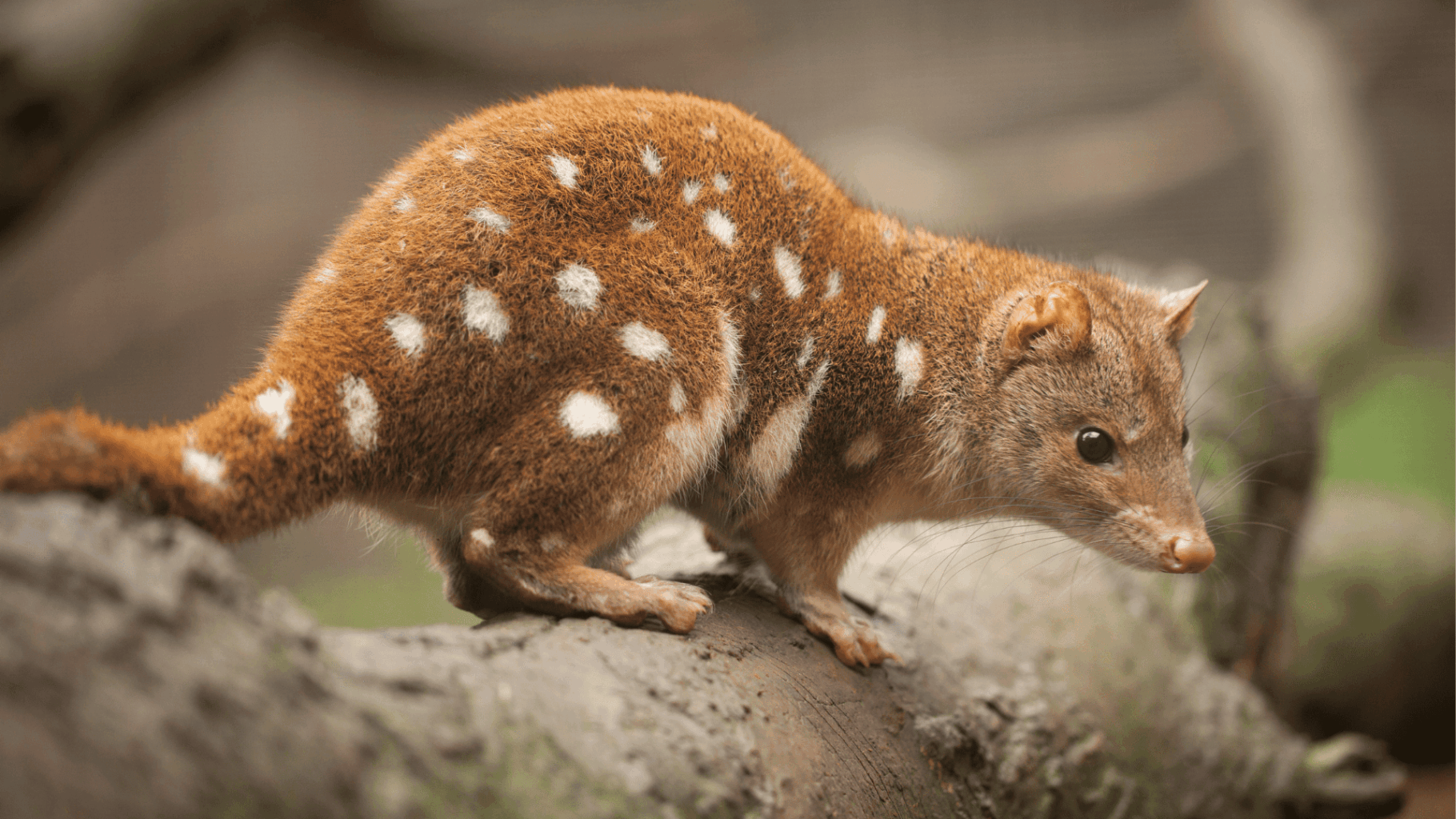
The Spot-tailed Quoll โ€“ also known as the Tiger Quoll โ€“ is one of Australiaโ€™s most extraordinary predators. Yet despite its ecological importance, this fierce, secretive marsupial is now listed as Endangered under the Commonwealthโ€™s Environment Protection and Biodiversity Conservation Act 1999 and Victoriaโ€™s Flora and Fauna Guarantee Act 1988.

Once widespread across Victoria, the species has suffered a dramatic decline since European settlement. Hunting, habitat loss, and predation by feral animals have reduced Spot-tailed Quoll numbers by more than 50%. Today, the Upper Snowy River region in Gippsland is the speciesโ€™ last stronghold in the state โ€“ but even here, the population continues to fall.

In 2024, that trajectory sparked action. A network of government and non-government organisations โ€“ including the Rendere Environmental Trust, First Nations communities, ecologists, geneticists and dedicated quoll champions โ€“ united to apply for a Victorian Government Nature Fund grant supporting a multi-agency recovery effort.

Auspiced and mentored by BioDiversity Legacy and led by Wildlife Unlimited, the Spot-tailed Quoll Recovery Program is now underway. Researchers are venturing deep into the rugged wilds of East Gippsland, gathering critical data on quoll numbers, movements and habitat needs. Their mission is clear: understand what is driving the decline, determine what it will take to halt it, and ultimately return quolls to the Country they once thrived on.

A key component of the program involves genetic assessments of both wild and captive individualsโ€”work that will guide the development of a robust captive-breeding and translocation strategy in collaboration with Odonataโ€™s Mt Rothwell team.

On the ground, Wildlife Unlimited field teams are trekking remote ridgelines and river valleys, deploying camera traps, studying behaviour and collecting genetic material to piece together the story of surviving quolls.

Itโ€™s painstaking work – but itโ€™s infused with hope. Every footprint, every image, every genetic sample helps chart a path toward recovery for one of Australiaโ€™s most charismatic and imperilled species. Read more here.

The secretive quoll is investigating the hay nets used for luring the rare Rock-wallaby. Images with thanks to the Department of Environment, Energy and Climate Change.

Strengthening wildlife corridors in South Gippsland

Community-led landscape connection

Landholders and nature lovers across South Gippsland Victoria are being encouraged to contribute to a biolink map being developed by the South Gippsland Landcare Network (SGLN) to give landholders and the broader community a birdโ€™s eye view of the โ€˜patches, stepping stones and habitat linksโ€™ that need to be strengthened to create more effective wildlife corridors and protect native and threatened species.

The map is a key action of the SGLNโ€™s 10-year Biodiversity Protection Plan developed in 2024 with cross-sector input, including from our Ecolands Collective colleagues, Prom Coast Ecolink, which sits under the umbrella of the SGLG, and the Gippsland Threatened Species Action Group, which aims to connect remnant patches of native vegetation, initially across the Bass Coast and now extending eastwards to South Gippsland.

Conservation action across this vast 262,000 ha region, which stretches from the steep Strzelecki Ranges in the north to the lowland coast in the south, is becoming increasingly urgent as just 22% of South Gippslandโ€™s native vegetation remains, and 10% of all native species are now threatened.

After securing funding for two key phases of the mapping project, SGLN appointed mapping experts who, as a first step, are gathering base data via a โ€˜Habitat Near Youโ€™ website that asks landholders and community members to identify habitat hotspots, sightings of key species and key areas of interest (this phase will run from May to June 2025, so please contribute if you can).

Biodiversity Legacy South Gippsland Biolink Coordinator, and local community member, Stuart Inchley, will contribute data about remnant patches of vegetation north of Foster and contribute in other ways.

It will take about nine months to gather the foundational data. From here, the team will use the General Approach to Planning Connectivity from Local Scales to Regional (GAPCLoSR) GIS method to analyse landscape conditions and determine the best possible pathways for recreating or enhancing habitat for 4-6 target species.

The whole process will take a community-led, tenure blind approach and consider all environments across the region, not just those where larger patches of bushland exist.

BioDiversity Legacy welcomes this biolinking initiative, which reflects our long connection to the region and our commitment to engaging property owners and communities in conversations about the need to secure land and connect it to adjacent properties and/or state and national parks.

The map will also provide a well-informed basis for regional planning processes and inspire more investment in the natural values of our landscape.

Land Covenantors Victoria unites for conservation

Local Action, Lasting Impact

The following editorial, published by the International Land Conservation Network (ILCN) in March 2025, is by LCV president Peter Mulherin and Australian Land Conservation Alliance Permanent Protection Method Project Manager, Cecilia Riebl, who also acts as Australia’s ILCN Regional Representative


BioDiversity Legacy (BDL) is proud to maintain strong ties with Land Covenantors Victoria (LCV), an organisation energising the private land conservation movement across Victoria and bringing communities together to take meaningful action.

Established in 2021 with support from the Rendere Environmental Trust, EcoLands Collective and Trust for Nature, LCV is the first formal network to unite landholders who have adopted conservation covenants and other on-title agreements to protect biodiversity on their properties.

โ€œWe are living in a time of great challenge, with biodiversity loss, global warming, political instability and the relentless advance of extractive industries compounding these threats,โ€ said LCV President Peter Mulherin.

โ€œItโ€™s easy to feel overwhelmed. However, by empowering private landowners to take meaningful action within their own communities, we can restore a sense of control and optimism.โ€

LCV members play an active role in advocating for policy reform. Their efforts include successfully securing automatic land-tax exemptions for landholders with Trust for Nature covenantsโ€”an important recognition of the public environmental value these protected areas provide.

More broadly, LCV brings together people and organisations with diverse levels of experience and expertise to exchange ideas, share success stories and support peer-based learning.

โ€œOne of the most rewarding aspects of this work is being part of a local network of landholdersโ€”feeling connected to a community of like-minded individuals making tangible changes to benefit local biodiversity and future generations,โ€ Peter said.

LCV hosts field days and events on properties across the state. In one recent event in Gippsland, Landcare representatives, Trust for Nature, philanthropists, farmers and local politicians gathered in a town hall to hear case studies showcasing conservation initiatives led primarily by volunteers and local landholders. The photo above shows participants at LCVโ€™s first field day, held at Wirra-lo, a 180-hectare private property in Murrabit.

Peter also acknowledges the challenges these organisations face in caring for nature on behalf of the broader community. โ€œTheir work provides immense social and environmental benefits, with no financial reward but enduring value for their communities,โ€ he said.

By fostering collaboration and raising awareness about the importance of conservation covenants, LCV is making real progress toward its long-term vision: a future in which private land conservation is the norm, not the exception.

Partnership to reverse biodiversity loss on Victoria’s Bass Coast

A biodiversity legacy for Victoria’s southeast coast

The Nature Recovery Foundation (NRF) is a bold initiative committed to reversing biodiversity decline on Victoria’s Bass Coast and protecting the natural environment for future generations. The NRF is a partnership between Bass Coast Shire and BioDiversity Legacy, with each organisation having two directors on the board.

The Foundation’s initial focus is on tracts of land within the Bass Coast Shire, where existing habitats will be protected and larger-scale landscape restoration will be pursued. As the Foundation grows, there may be opportunities to expand our impact beyond this region, most likely into South Gippsland.

The NRF is currently working towards Deductible Gift Recipient status, which will strengthen the Foundationโ€™s legitimacy and open opportunities for tax-deductible donations, further supporting our long-term goals.

To achieve lasting environmental restoration, the NRF will:

  • Protect priority areas of remnant biodiversity.
  • Secure and restore land with high ecological potential.
  • Create viable habitat refuges connected through biolinks.
  • Leverage partnerships and green investment for long-term sustainability.
  • Build a lasting legacy for future generations.

This is an exciting step for BioDiversity Legacy, as several members of the team live in the adjacent shire of South Gippsland and, as a group, we have deep links to other environmental non-profits via our connection to the Ecolands Collective.

Survey highlights the importance of private land conservation

An ecological survey of rainforest communities on three Trust for Nature properties north of Foster in South Gippsland, as well as an adjacent state-run reserve, has found the largest population of Slender Tree-ferns ever documented in Australia, as well as rare and endangered species, including the Netted Brake fern, Butterfly Orchid, over 100 indigenous plants and 40 mosses.

The survey, initiated by the Gippsland Threatened Species Action Group (GTSAG) and Tarwin River Forest Land Stewards, Victoria Johnson and Stuart Inchley (BioDiversity Legacy South Gippsland biolink coordinator), was conducted by two of Victoriaโ€™s most experienced ecologists and botanists, Karl Just and Dylan Osler, with funding from the Wettenhall Environmental Trust and Friends of Turtons Creek.

The results of the survey were presented to an audience of over 80 people at the Foster War Memorial Arts Centre, including senior members of the Shire Council, business leaders, ecologists, botanists and residents. The presentation was also recorded (see above). Karl and Dylan talked about the importance of private land in biodiversity conservation, as many areas remain under-surveyed, compared to public lands.

โ€œDylan and I have both been working in ecology for over 20 years,โ€ explained Karl.

โ€œWe get to wander around Victoria studying different ecosystems โ€ฆ but this [project] was quite a treat for us to do because we rarely gain access to private properties โ€ฆ which have an important role to play in maintaining regional biodiversity.โ€

The team spent more than a week exploring two distinct areas – the Turtons Creek Scenic Reserve (managed by Parks Victoria) and three adjacent Trust for Nature properties.

Walking 10 km over tough terrain, including steep, wet rainforest gullies, Karl and Dylan looked for and mapped rainforest boundaries, threatened species and created a list of observed flora.

Given the high rainfall in the area, ferns grow aplenty, but it was the diversity of the fern population that surprised them.

โ€œYou almost get these mini-ecosystems, with lots of different fern species growing on trees and branches – trees on trees. Itโ€™s kind of magical,โ€ said Karl.

Geological features of the study area, including the presence of fault lines and unique sedimentary layers, contribute to the diverse ecosystems within the rainforest.

Understanding these geological factors is essential for effective conservation planning, said Karl, as they influence vegetation patterns and habitat characteristics. He also noted how Cool Temperate Rainforest is highly sensitive to fire, with historical data indicating that it takes over 400 years for these ecosystems to recover. This long recovery period necessitates proactive fire management strategies to prevent devastating impacts on these vulnerable environments.

The survey also acknowledged the presence of invasive species such as blackberries, which can alter soil chemistry and microclimates, threatening the integrity of rainforest ecosystems. Additionally, evidence of deer populations was noted, which can contribute to vegetation degradation through browsing and trampling, necessitating ongoing management efforts.

To ensure the long-term health of Cool Temperature Rainforest, the survey recommends implementing protective buffers around rainforest areas, particularly near adjacent timber harvesting operations. Such buffers can mitigate risks from wind throw, herbicide drift, and invasive species, thereby supporting the resilience of these ecosystems.

The survey results underscore the beauty and importance of this landscape, while also raising awareness of the ongoing threats to its preservation.

Succession planning for farming families

How to ensure the family farm can continue to thrive and prosper for generations to come

BioDiversity Legacy Director and active land covenantor, Jim Phillipson, is a strong advocate for succession planning to ensure that landholders and families can stay connected to the land.

Jim was one of 40 speakers invited to present at the GROUNDED farming festival in Tasmania, where he provided practical tips and advice on succession planning for farming families – a critical yet challenging conversation.

Modelled on the UKโ€™s Groundswell festival, GROUNDED was established by the renowned Australian chef turned farmer Matthew Evans and partner Sadie Chrestman. It is a unique platform created ‘by farmers, for farmers’ allowing them to share knowledge about regenerative farming practices, food systems, soil and much more. Over 6,000 people attended the event.

Heather and Jim Phillipson on their family farm in East Gippsland.

Jim highlighted the fact that, while these conversations can be difficult, if neglected, they can jeopardise the future of the farm.

He emphasised a structured approach to these discussions, highlighting several key strategies, including the engagement of a neutral facilitator to guide discussions.

โ€œThis third party provides an objective perspective, helping to manage emotions and ensuring that decisions are made in the best interest of the farm,โ€ said Jim.

โ€œTheir role includes communicating with title holders and formalising agreements, which can lead to more productive conversations.โ€

Jim advises starting initial discussions with a small group, specifically those listed on the property title. This approach minimises complications and allows for clearer decision-making.

โ€œOnce a foundational framework is established, broader family discussions can take place.โ€

Establishing a defined timeframe for succession planning is also crucial, said Jim, who recommends a seven-year window, broken down into three, five, and seven-year goals. This timeline encourages structured planning while preventing procrastination, making the process more manageable and focused.

A significant shift in mindset is also necessary when prioritising the farm over individual family members. By treating the farm as an independent entity, families can foster long-term viability and avoid the pitfalls of dividing the farm or selling it off. This perspective encourages discussions that focus on the farm’s future rather than individual interests.

Jim also urged the audience to consider alternatives to equal shares among children.

โ€œPlacing the farm into a protected legal entity can ensure its sustainability while providing income for retiring parents. This method can often yield better financial outcomes than traditional equal division,โ€ he said.

Finally, he stressed the importance of acting while there is still control over decision-making. โ€œDelaying the succession planning process can lead to a loss of influence over the farm’s future. By starting early and setting clear goals, families can create a succession plan that benefits both the farm and its family members.โ€

Secret Link