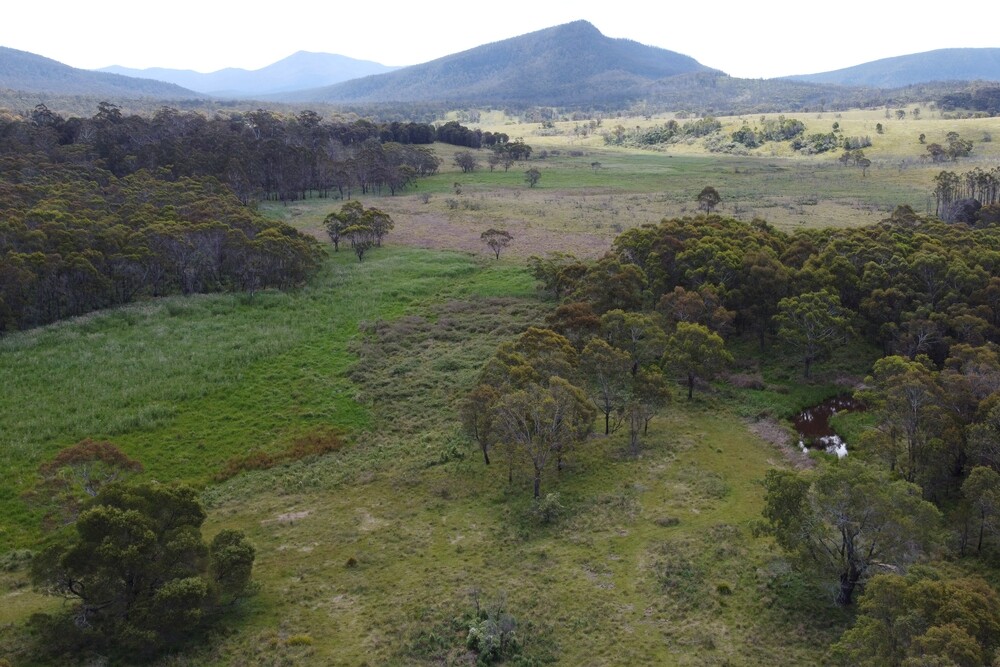
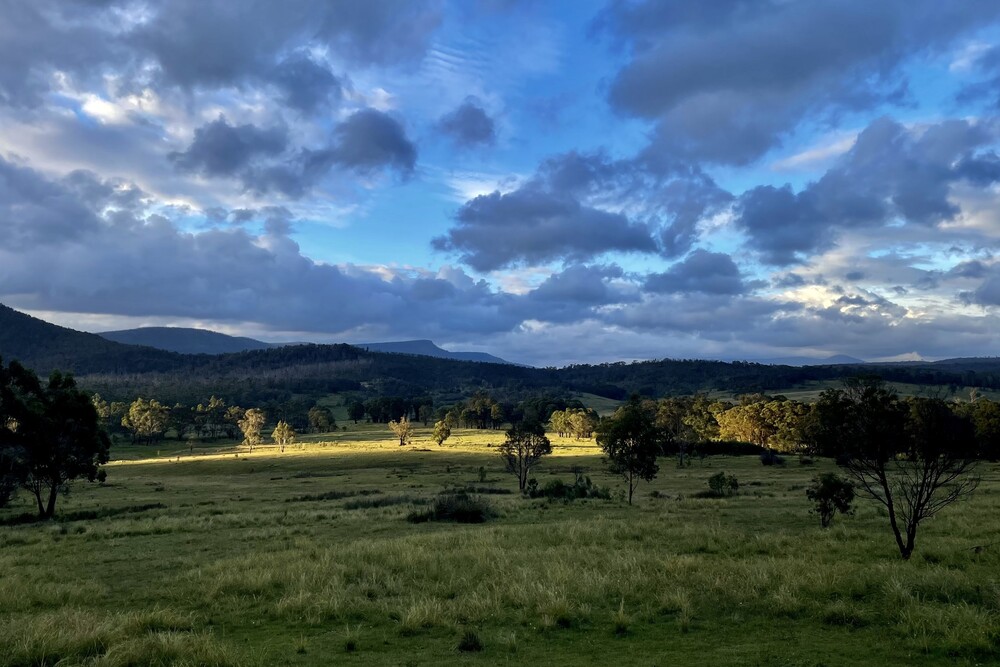
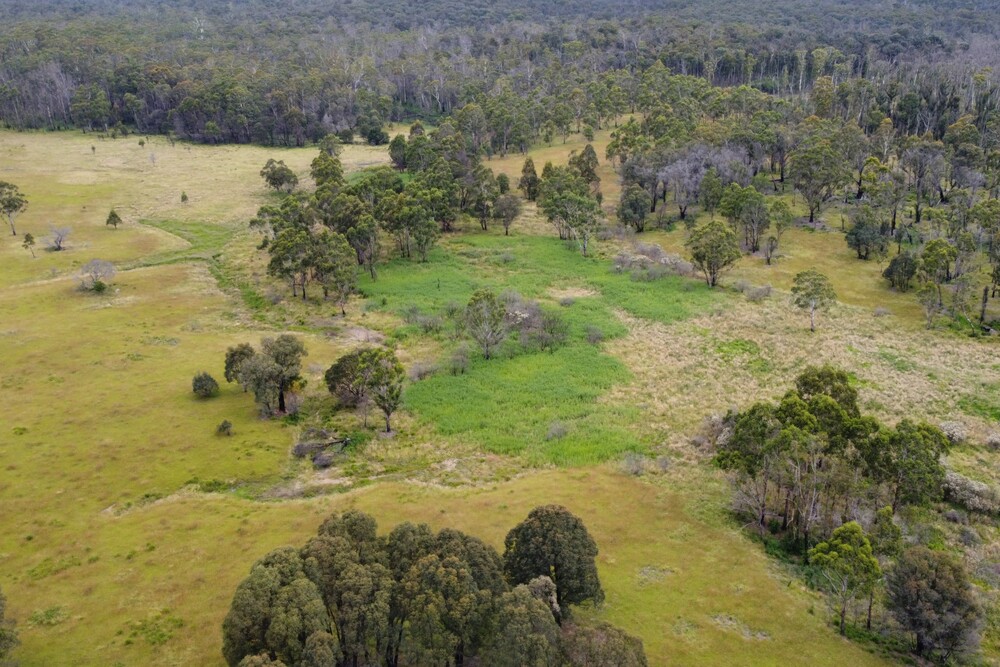
BioDiversity Legacy (BDL) is proud to be walking alongside the Yambulla team as they explore new approaches to conservation and stewardship of ‘Yambulla’, a 1,260-hectare property in south-eastern New South Wales, set within a broad valley landscape of native habitat, riparian areas, grasslands and former plantation land.
The Yambulla team’s vision, which is about caring for Country and people together and building the financial foundations needed to sustain and protect that work over the long term, draws on a family farming story stretching back six generations.
In Yambulla’s 2026 report (access HERE), Jim Osborne – who inherited the property in 2010 – describes growing up in a family that saw Yambulla as its “unfinished frontier”. His grandfather, father and Jim himself all attempted to make the property productive through cattle, sheep and timber.
Over time, Jim’s thinking shifted away from trying to tame Yambulla towards listening more closely to Country and considering how productive land use, ecological restoration, financial sustainability and shared responsibility might work together.
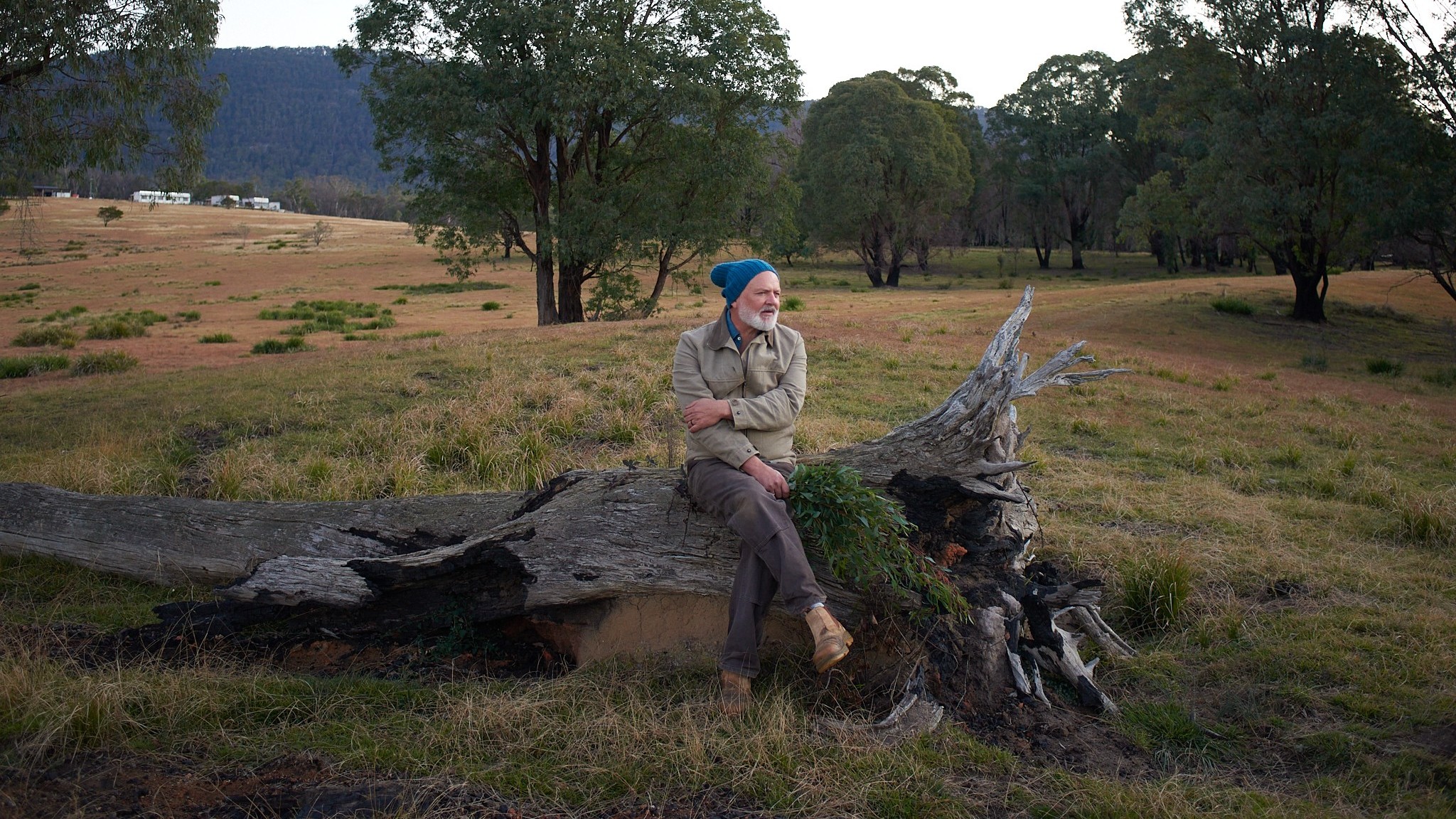
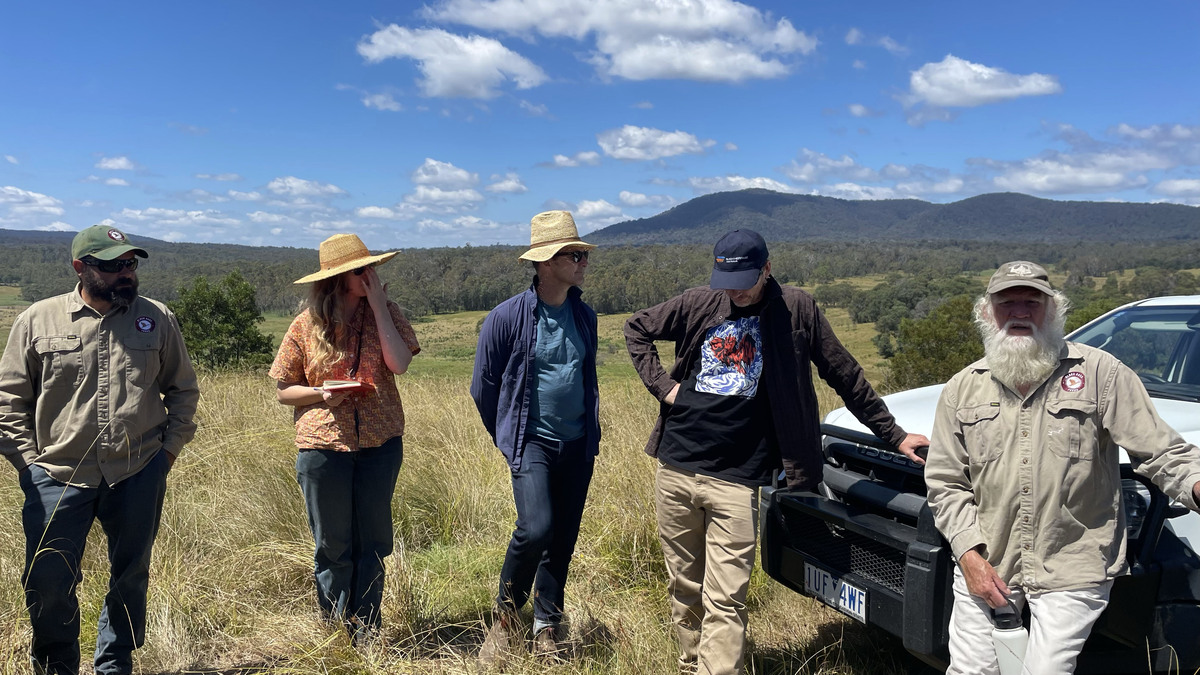
Jim (pictured below) also developed a deeper awareness of Yambulla’s much longer history and the roles the Ngarigo, Yuin and Bidhawal Peoples played in caring for Country over tens of thousands of years.
Meeting environmental challenges with a new vision
In 2019–20, the Black Summer bushfires swept through parts of Yambulla, including the commercial timber plantation. The aftermath left large areas of regrowth, weeds, standing dead trees and other management challenges, reinforcing the complexity of deciding what should come next.
Over roughly six years, these experiences, conversations and questions developed into The Yambulla Project – established not only to explore how the land might be restored and managed differently, but also to move away from reliance on Jim as the sole title holder and custodian. Further, the project would enable the team to share their conservation journey with others, including landowners who may be facing similar challenges, both in terms of management and in thinking about their legacy and succession.
From private ownership to shared stewardship
The Yambulla Project Ltd is now an independent not-for-profit company limited by guarantee. The team is exploring how ownership and governance could evolve alongside its approach to managing the land – beyond any individual owner or group’s lifetime.
These questions brought The Yambulla Project (TYP) and BioDiversity Legacy (BDL) together. BDL’s Local Landholding Entity (LLE) model is designed to hold and protect land for conservation and community benefit over the long term while remaining independently governed. Under the model, The Yambulla Project could become part of a growing network of independently governed LLEs across Australia.
The Yambulla team is currently exploring pathways to transfer 815 hectares of Yambulla to The Yambulla Project Ltd. This area includes around 403 hectares of former plantation, 190 hectares of riparian land, 60 hectares of grassland, 84 hectares of largely intact native forest and 80 hectares of historic forest regrowth.
Much of it requires significant investment in restoration and ongoing management, while some areas also offer potential to generate income from, for example, carbon sequestration.
One landscape, two forms of ownership
The report separately identifies around 470 hectares as ‘the J&G Lands’, which would remain under Jim and his husband George’s ownership.
This area includes Jim and George’s home and the Yambulla Guest Lodge – a highly successful venture for small groups of visitors, including artists – as well as native forest, grasslands, wet meadow and swamp waterways.
Although the land would remain privately owned, The Yambulla Project would have some management input into activities affecting the ecology of the property, such as feral-species management. In other words, the proposed ownership structure would change, but the two areas would still be managed with an understanding that they form part of one connected landscape.
A model still in development
Yambulla does not present itself as a finished model. In its 2026 report, the Yambulla team is open about the six years of thinking, conversations and networking behind the project – including false starts, unresolved questions and lessons learned along the way.
They have remained open-minded, listening and learning from others, sharing insights and finding solutions for themselves.
One expression of that broader thinking is the team’s four-part decision-making framework:
- Caring for Country
- Caring for People
- Sharing Knowledge
- Financial Enablement
Caring for Country includes protecting and improving biodiversity, storing carbon, improving soils and waterways, and incorporating and respecting First Nations land-management expertise, knowledge and culture.
Caring for People focuses on reciprocal relationships, shared responsibility, collaboration, employment, training and participation.
Sharing Knowledge includes education, research, hospitality and openness about both successes and failures.
Financial Enablement recognises that long-term land management also needs reliable sources of income if the work is to continue.
BDL’s role in the next stage
BioDiversity Legacy’s role is to help work through one important part of that bigger picture: whether a significant part of Yambulla can move from individual ownership into an independently governed, not-for-profit structure capable of protecting and caring for the land over the long term.
The process is still unfolding. But it represents an important step in Yambulla’s continuing journey from private ownership towards a broader model of shared stewardship.