Caring for land has always been passed from one generation to the next. First Nations peoples have done this across the continent for millennia.
Today, Landcare groups, Friends of groups and volunteers are working alongside Traditional Owners, not-for-profit organisations and agencies to repair and rehabilitate land for future generations.
There’s a lot to be hopeful about, but many Landcare groups are now reaching a point of succession, and many older landholders are thinking about legacy. They hold decades of knowledge and are often wondering who will look after their land next.
Young people are starting to answer that question. Through our work with private landholders and conservation partners across Australia, we see stewardship take many different forms. It’s encouraging to see young people bringing their own ideas, energy and perspectives to caring for nature and Country.
Here, members of our team share two examples from the regions where they work, highlighting the ways young people are getting involved and contributing to local conservation efforts.
Roving Landcare, Northern Rivers NSW, Bundjalung Country
In the Northern Rivers NSW, Brunswick Valley and Tweed Landcare Coordinators, Valley Lipcer and Isabelle Oude-Egberink, are tackling this through their pilot Roving Landcare Program aimed at young adults aged 18–30.
This program is exploring new ways to connect the next generation with local Landcare groups and local knowledge. Each week there’s a free event on a new topic, to find out what draws younger people in.
Valley wanted a program that was “fun, educational and adventurous” - one that fostered “intergenerational relationships and learning and deepened young people’s connection to their local ecology”. She sees the opportunity for both generations to learn from and contribute to each other.
“Young people’s approach can be more urgent, passionate, creative and fearless,” says Valley. “Older generations may be a bit more strategic … the challenge is finding common ground to work together and respect our different approaches and stages of life.”
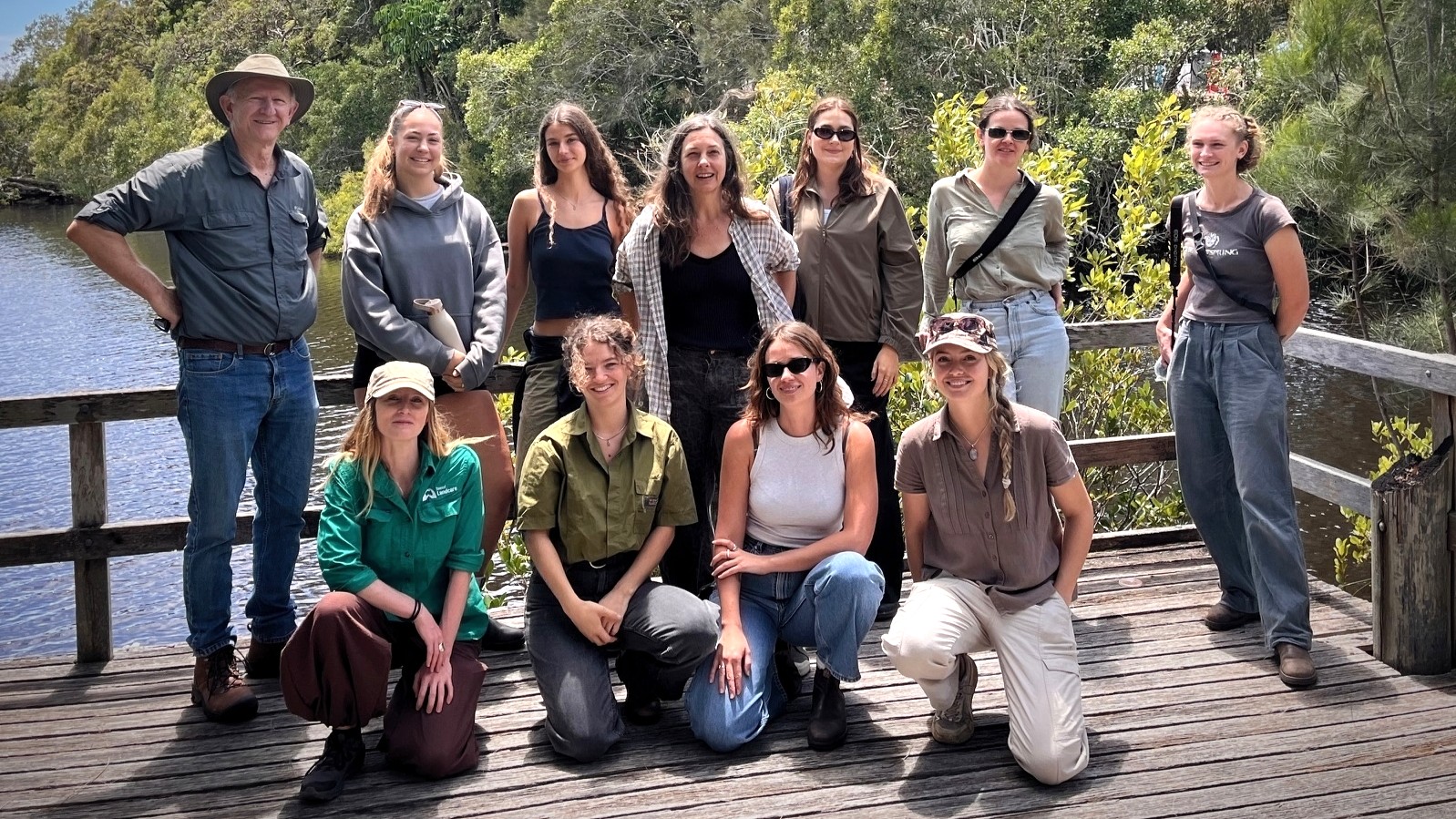
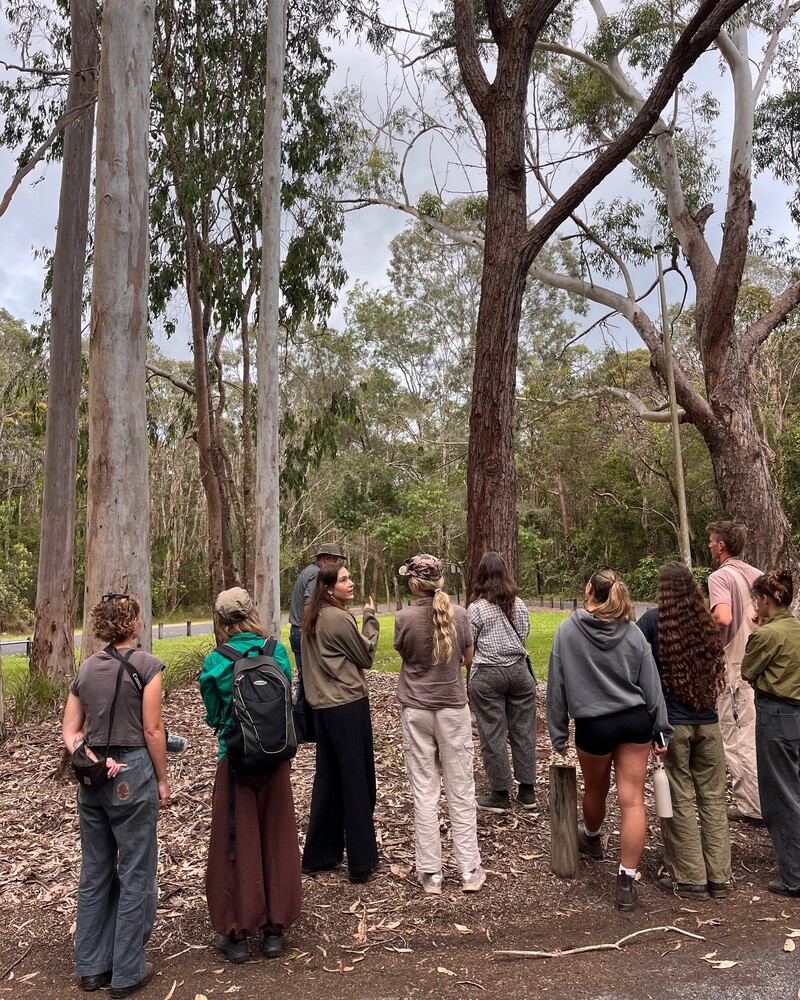
Above: Roving Landcare Group. Below left: Plant identification workshop. Right: Walk through the Pottsville Environment Park where the group observed swamp paperbark, mangroves and rainforest, showing the diversity of the area.
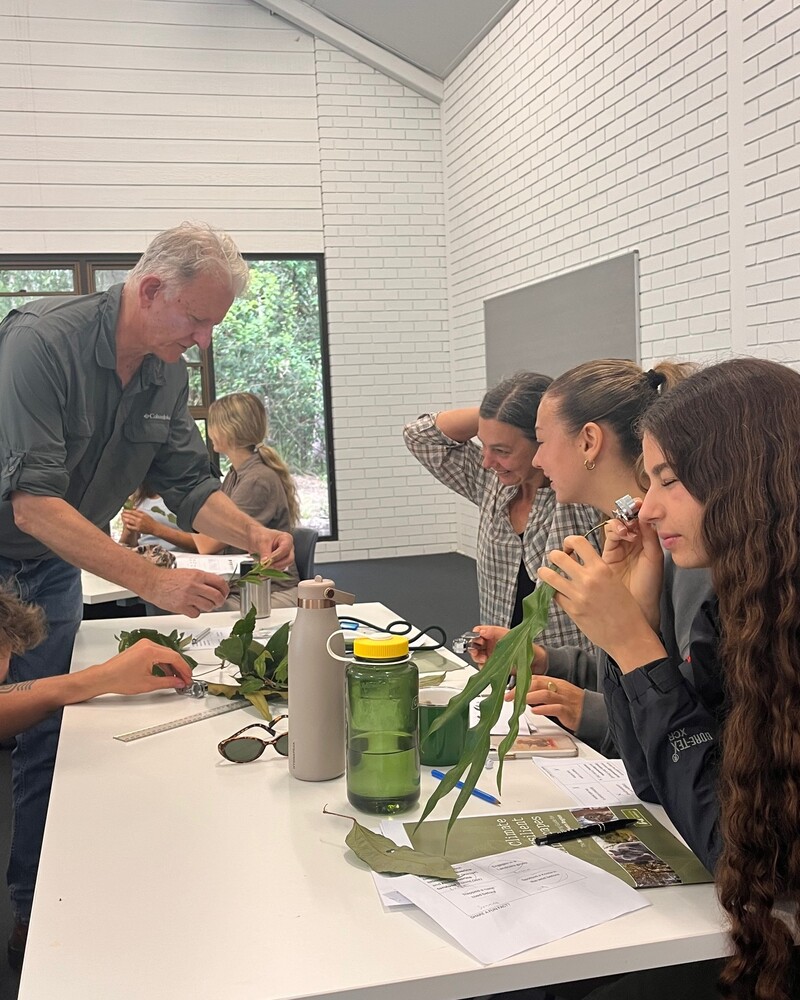
BioDiversity Legacy’s Biolink Program Officer, Lily Fraser, recently attended one of these events focused on plant identification in the Tweed Valley.
The event attracted a diverse group of young adults - TAFE students, environmental enthusiasts, social media creatives, graduates, young professionals and international participants. Some were keen to learn more about career pathways and how to get a job in the environmental sector, while others were simply looking to meet like-minded people their own age.
Best of all, several attendees expressed interest in joining the local Landcare committee. This is exactly the kind of connection and sustained engagement these programs can foster, creating welcoming, hands-on opportunities for young adults to find their place and become actively involved in local stewardship. As Isabelle says: “We have high hopes that some of the Roving Landcare attendees may start a new Landcare group or can ‘rove around’ visiting existing local Landcare groups.”
Gippsland Ground Crew, South Gippsland VIC, Gunaikurnai and Bunurong Country
Meanwhile, in South Gippsland, a group of young people are pioneering new solutions.
Gippsland Ground Crew (GGC) is a committee of young people who all work in conservation and education in the region, and who each chose to make it home. They saw a gap. Few young people were involved locally, most Landcare events ran during work hours, and the nearest similar groups were an hour and a half away. Rather than wait, they started something themselves.
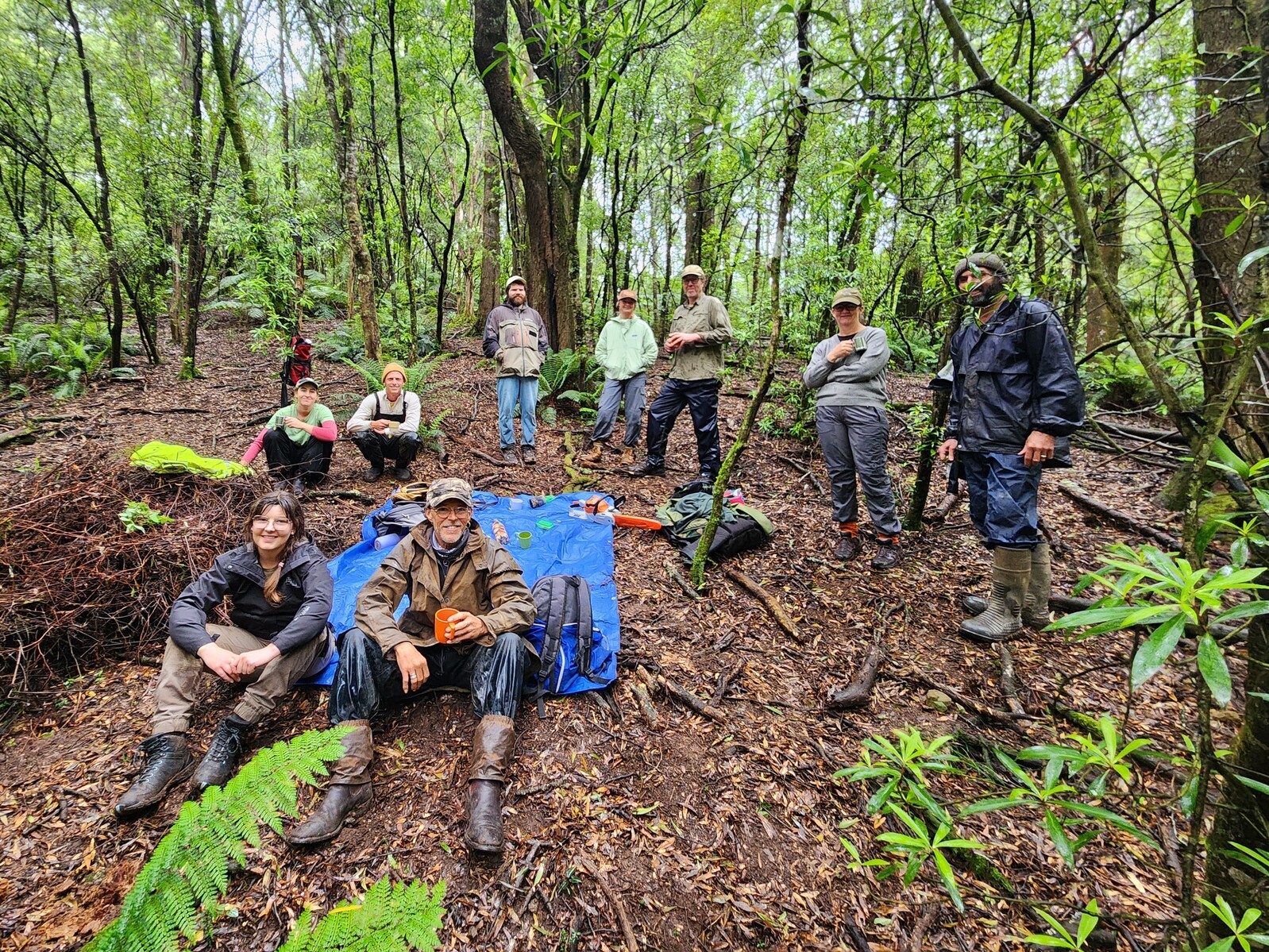
Members of the Gippsland Ground Crew visit the Tarwin River Forest in Foster North.
GGC hopes to become a trusted pathway for landholders who are unsure of their land’s future. Where values align, they’ll work together on long-term stewardship plans that honour the landholder’s vision, so the land keeps being cared for beyond their time on it. In their words, it’s a chance to “bridge the generational divide in land ownership.”
They’re also clear that caring for land is about relationships as much as restoration. Their events will bring people together over music, art, food and conversation, and they hope to share in the reciprocity of caring for Country. Get in touch with them at info@gippslandgroundcrew.org
Why this matters
Caring for land is long-term work, and the real opportunity is in bringing generations together, so the knowledge of long-time Landcarers and landholders meets the energy and ideas of young people.
At BDL, we’re connecting with more of these groups, because protecting land for the long term isn’t only about how it’s held. It’s about the people who’ll care for it. The Local Landholding Entities we help set up are designed to be hubs for exactly this – places where people, young and old, come together to care for land over time.
Want to get involved? Join a local Landcare or Friends of group, introduce us to a young stewardship group or get in touch to hear more about our stewardship work. We’d love to hear from you.