Private land covenants: why landholders act — and why it matters

Across Australia, private landholders are playing an increasingly active role in restoring and protecting habitat, using covenants as a protection mechanism, but what motivates them to do so?

At BioDiversity Legacy, we work closely with people who may already have conservation covenants on their land or are deciding whether to do so. Alongside this, our Local Landholding Entity (LLE) model offers another pathway to permanent protection, transferring land into a dedicated, community-led not-for-profit structure.

These approaches are not competing solutions. Rather, we see conservation covenants as complementary to the protections enabled through the LLE model, together strengthening Australia’s private land conservation estate.

Understanding what motivates landholders to choose these pathways – and what supports them to care for land over the long term – is essential if Australia is to meet its biodiversity commitments.

To help inform our work, we regularly engage with sector partners, including the Australian Land Conservation Alliance and Land Covenantors Victoria (LCV). Recently, LCV hosted two leading researchers, Dr Carla Archibald and Dr James Fitzsimons, who shared local and global insights into landholder motivations for covenanting and the policy settings needed to scale impact.

This two-part blog series explores those insights. In this first piece, we focus on Dr Archibald’s research into why landholders adopt conservation covenants and what drives long-term stewardship.

A second article, to be published in March 2026, will examine Dr Fitzsimons’ research on the urgent role governments must play if conservation covenants are to help Australia meet its national biodiversity goals.

What are covenants?

Before we delve into this exploration, let’s start with the basics. What is a covenant?

A conservation covenant is a voluntary, legally binding agreement between a landholder and an authorised body to protect and care for land with important natural, cultural and/or scientific values. The landholder retains ownership and can continue to live on and use the land, while agreeing to manage all or part of it in ways that conserve its identified values, in partnership with the authorised body.

Authorised bodies (often called covenant scheme providers) may include not-for-profit organisations, government agencies or local councils that have the authority to enter into conservation covenants with landholders; for example, Trust for Nature in Victoria, Biodiversity Conservation Trust in NSW and the Tasmanian Land Conservancy (TLC).

Why landholders choose conservation covenants – insights from Dr Archibald

For more than a decade, Dr Carla Archibald has studied private land conservation and the social dynamics behind environmental behaviour. Her recent research – based on a survey of 475 landholders in New South Wales – asked a simple but powerful question: What drives someone to commit their land to long-term conservation?

Conservation is already happening quietly, everywhere!

One of the most striking findings of the survey is just how widespread voluntary conservation already is in NSW. Over 80% of surveyed landholders were actively undertaking conservation management – weed control, revegetation, pest and feral animal control – independent of any formal agreement.

Only 15% of those surveyed had a legally binding conservation covenant, but another 39% were involved in programs such as Land for Wildlife. This suggests an enormous, untapped pool of landholders who are already engaged but may need additional support, confidence or incentives to take the next step.

The four key influences on covenant adoption

Dr Archibald’s research identified four key drivers:

Existing conservation engagement

Landholders already actively caring for their land were eight times more likely to adopt a covenant. This points to a progressive pathway: care – commitment – covenant.

“People who are passionate about conservation are the ones willing to make a permanent commitment,” said Dr Archibald.

Time and capacity

Those with more time to undertake stewardship were 1.6 times more likely to covenant their land. Surprisingly, retirement status did not influence adoption, suggesting time, not age, is the real barrier.

Suitable land available

Landholders who knew they had ecologically valuable or suitable areas were twice as likely to adopt. Property size itself didn’t matter. Agencies could therefore target properties with high conservation potential – focusing on ecological fit, not acreage.

Income and incentives

Financial incentives ranked lower than expected. However, landholders earning income from their land were more likely to adopt covenants.

This shows:

  • Conservation can co-exist with primary production
  • Environmental markets in NSW are making conservation a sound business proposition
  • Conservation actions can enhance farm productivity and ecosystem services
  • A pathway that supports livelihoods and landscapes

The overarching message from Dr Archibald’s research is clear – covenants are most successful when they align biodiversity outcomes with the social and economic realities of landholders. Programs that acknowledge landholder capacity, income reliance and ecological assets have the best chance of expanding uptake.

She noted that policymakers are increasingly recognising this and praised LCV’s successful advocacy work – particularly the push for land tax exemptions for covenantors.

Looking ahead, Dr Archibald hopes to explore how sustainable finance mechanisms could underpin long-term conservation and community resilience.

Empowering Landholders and Communities: Reflections from the 2025 ALCA Conference

In October, BioDiversity Legacy joined landholders, Traditional Owners, scientists, and conservation organisations from around the country at the 2025 Australian Land Conservation Alliance Conference, held in Gimuy (Cairns).

The conference theme - Scaling Up: Local Action for Global Solutions - echoed what drives our work at BioDiversity Legacy every day: empowering and facilitating landholders and communities to protect the land they love - from early steps in land stewardship to formal and lasting protection.

Shared purpose and momentum

The Australian Land Conservation Alliance (ALCA) is the national peak body for organisations working in private land conservation, bringing together people who are actively restoring and safeguarding nature on privately managed land. This year’s event created a powerful space for sharing knowledge, building partnerships and exploring innovative models for long-term protection.

BioDiversity Legacy was proud to be announced as one of ALCA’s newest member organisations, alongside the National Landcare Network - a milestone that reflects our growing role in this national movement (see the full list of ALCA members here).

Contributing to the conversation

BioDiversity Legacy staff were delighted to play an active role in the Land Conservation Forum for Landholders on Tuesday, 7 October, with our Head of Conservation Engagement & Partnerships, Dixie Fitzclarence, co-presenting a session with Andrew and Angus Cleary from Nuggan Sanctuary, who shared their family’s inspiring conservation journey and their work to secure lasting protection for their land.

BioDiversity Legacy's Far North Queensland Biolink Coordinator, Keith Smith (who is also involved in Queensland’s Private Protected Area Program), participated in the Ask an Expert session, offering insights into land management and conservation practices.

"The week was filled with insight and connection. MC Sean Dooley kept spirits high and Peter Garrett’s closing remarks left the room energised for the road ahead. We left Cairns inspired and looking forward to reconnecting with everyone in Lutruwita/Tasmania next October for ALCA26 and in Naarm/Melbourne for the 2027 International Land Conservation Network Global Congress,” said Dixie.

Two islands, one vision – safeguarding Corner Inlet’s saltmarsh communities

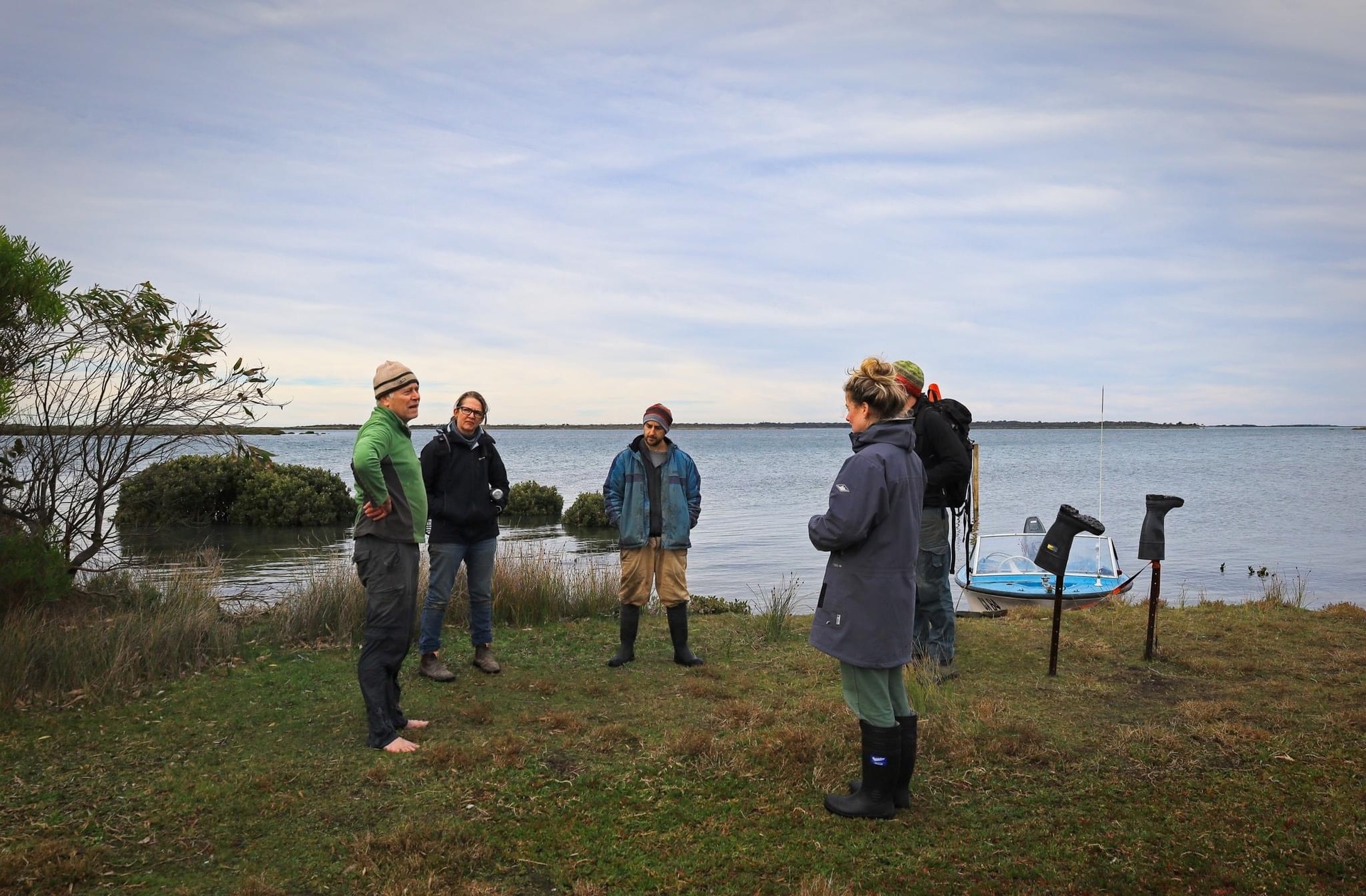
BioDiversity Legacy’s bold vision for protecting vulnerable ecosystems at scale is being realised in South Gippsland, where Nooramunga Land & Sea (NL&S) has acquired its second saltmarsh island in Corner Inlet.

Bullock Island joins neighbouring Little Dog Island as part of a growing legacy of land protected within the iconic Corner Inlet – a Ramsar-listed wetland of international significance.

Both islands were previously zoned for farming and recreational use, placing over 132-ha (330-acres) of valuable coastal saltmarsh at risk. In fact, the 60-hectare Little Dog Island was previously developed as a golf resort, which caused significant damage.

With funding from the Upotipotpon Foundation and support from Biodiversity Legacy, the NL&S team secured the island, with the stewardship team about to conduct surveys and monitoring to see what's on the island and undertake habitat restoration and enhancement works to protect vulnerable species and help them thrive.

Land protection and stewardship team

The NL&S team consists of leading ecologists, environmental philanthropists, carbon landscape experts and researchers with deep roots in ecological restoration and land protection. They include:

  • Karl Just
  • Tim D’Ombrain
  • Dr Steve Enticott (Carbon Landscapes)
  • Kristin Monie (Ecological Researcher)
  • Jim Phillipson, Strategic Director, Rendere Environmental Trust.

Rendere also provided support for the initiative, with volunteers, local landholders, Traditional Owners, citizen scientists and community partners also invited to collaborate on efforts to protect these landscapes, which are vital for biodiversity, carbon storage and climate resilience.

A Living Mosaic

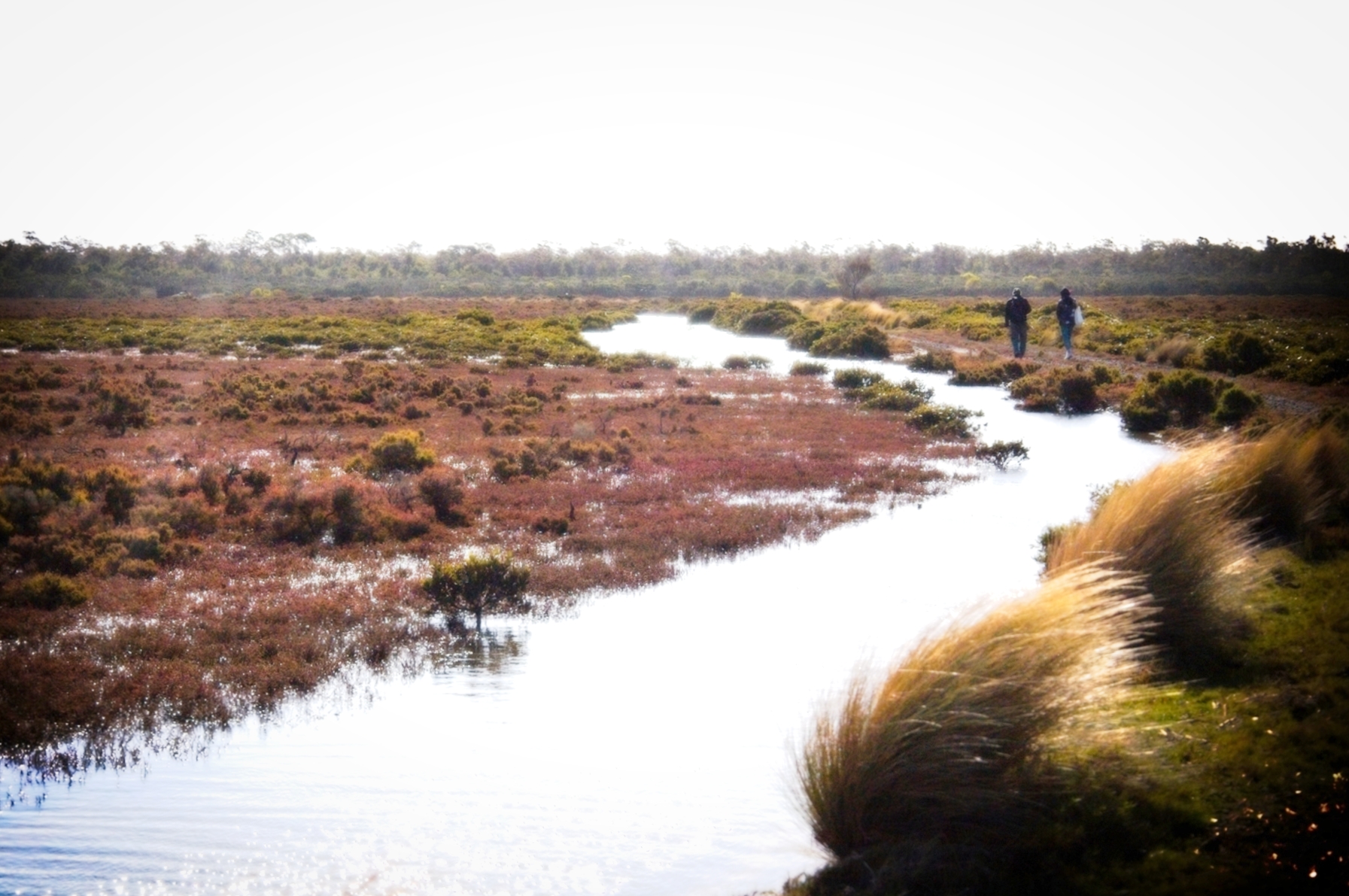
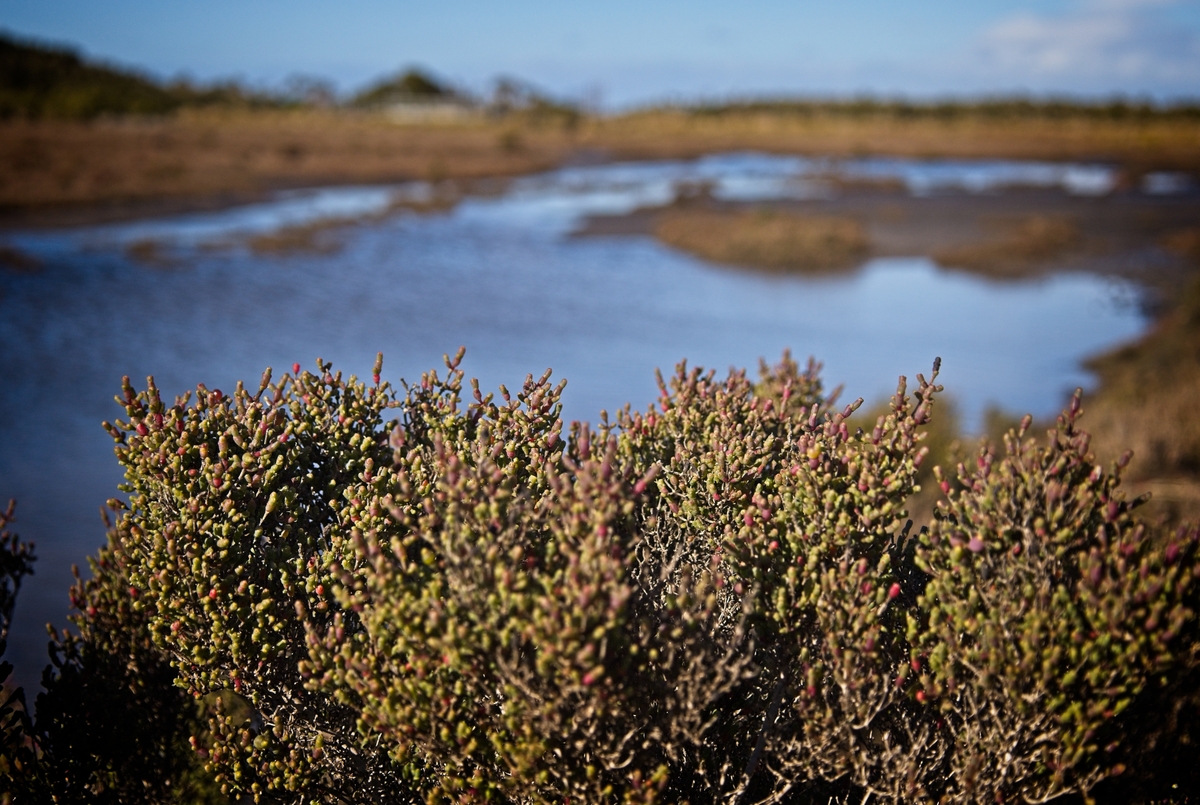
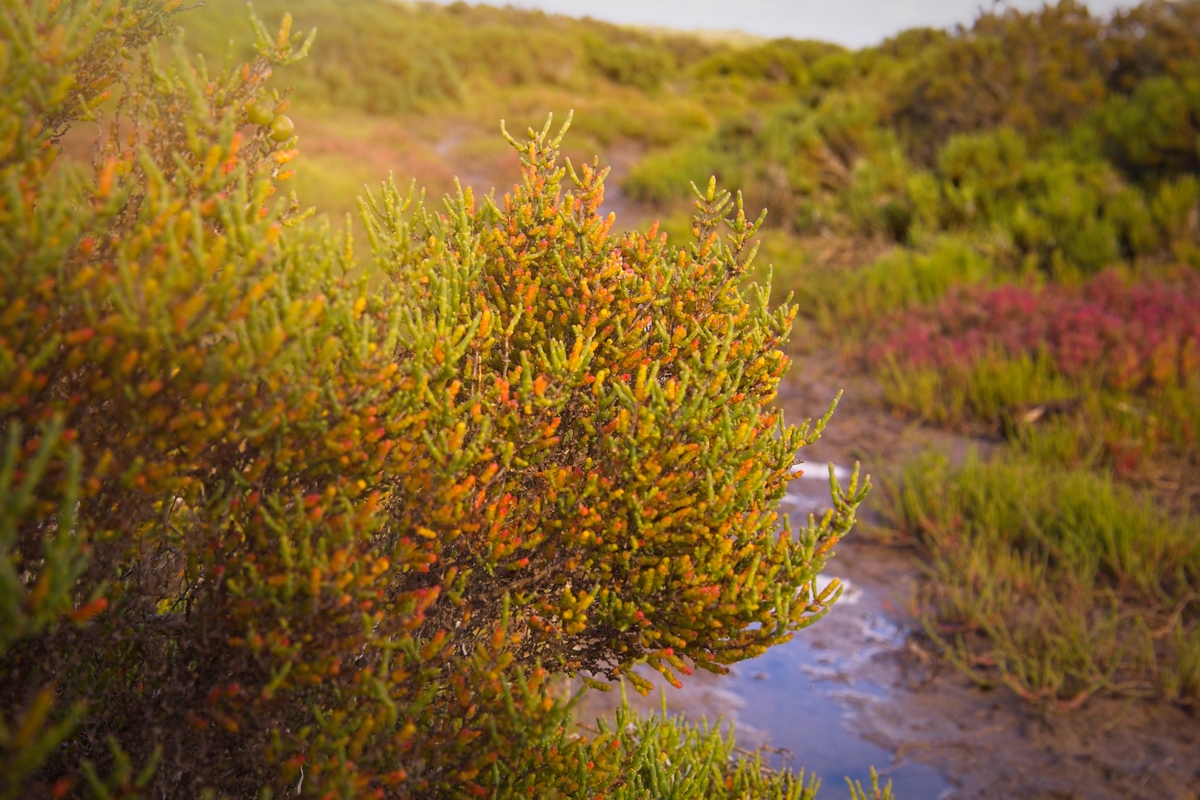
Framed by Wilson’s Promontory to the south and South Gippsland’s green hills to the north, the 72-ha Bullock Island presents a rich tapestry of native grasses, salt-tolerant shrubs, Swamp Paperbark and colourful succulents, such as Beaded and Shrubby Glassworts, Pigface, Austral Seablite and Austral Brooklime.

Like many of the sandy islands in Corner Inlet, Bullock Island’s intertidal mudflats and waters support large areas of White Mangrove and Broad-leafed Seagrass; communities of limited distribution in Victoria.

Sanctuary for rare and migratory birds

Corner Inlet is a haven for birdlife, supporting an estimated 20% of Victoria’s entire wader population. Now linked by intertidal flats, Bullock and Little Dog islands offer crucial safe habitat for several threatened species, including:

  • Critically Endangered: Far Eastern Curlew, Great Knot, Curlew Sandpiper
  • Endangered: Lesser Sand Plover, Red Knot
  • Vulnerable: Hooded Plover, Australian Grayling, Swift Parrot

There is also quiet optimism that the islands may one day support the return of the Orange-bellied Parrot – one of Australia’s rarest birds. NL&S is working closely with BirdLife Australia and Zoos Victoria to monitor for the species’ presence and support its potential recovery.

Why these islands matter to us all

The value of these saltmarsh islands extends far beyond biodiversity. As part of the blue carbon ecosystem, their dense vegetation and deep, silty soils lock away carbon 30 to 50 times faster than terrestrial forests – keeping it stored for thousands of years.

They also provide:

  • storm surge protection for coastal towns
  • clean water by filtering nutrients and sediment
  • fish nurseries vital for local marine species and fisheries.

Protecting them means strengthening climate resilience, food systems and local economies.

A blueprint for community-led conservation

This project demonstrates what’s possible when innovative governance structures meet passion, purpose and place-based conservation.

The NL&S team anticipates further acquisitions to protect and restore connectivity between South Gippsland’s saltmarsh ecosystems as more landholders and philanthropists come on board.

Land Covenantors Victoria unites for conservation

*The following editorial, published by the International Land Conservation Network (ILCN) in March 2025, is by LCV president Peter Mulherin and Australian Land Conservation Alliance Permanent Protection Method Project Manager, Cecilia Riebl, who also acts as Australia’s ILCN Regional Representative

Local Action, Lasting Impact

The following editorial, published by Land Covenantors Victoria (LCV), an organisation energising the private land conservation movement across Victoria and bringing communities together to take meaningful action. Established in 2021 with support from the Rendere Environmental Trust and Trust for Nature, LCV is the first formal network to unite landholders who have adopted conservation covenants and other on-title agreements to protect biodiversity on their properties.

“We are living in a time of great challenge, with biodiversity loss, global warming, political instability and the relentless advance of extractive industries compounding these threats,” said LCV President Peter Mulherin.

“It’s easy to feel overwhelmed. However, by empowering private landowners to take meaningful action within their own communities, we can restore a sense of control and optimism.”

LCV members play an active role in advocating for policy reform. Their efforts include successfully securing automatic land-tax exemptions for landholders with Trust for Nature covenants - an important recognition of the public environmental value these protected areas provide. More broadly, LCV brings together people and organisations with diverse levels of experience and expertise to exchange ideas, share success stories and support peer-based learning.

“One of the most rewarding aspects of this work is being part of a local network of landholders—feeling connected to a community of like-minded individuals making tangible changes to benefit local biodiversity and future generations,” Peter said.

LCV hosts field days and events on properties across the state. In one recent event in Gippsland, Landcare representatives, Trust for Nature, philanthropists, farmers and local politicians gathered in a town hall to hear case studies showcasing conservation initiatives led primarily by volunteers and local landholders.

The photo above shows participants at LCV’s first field day, held at Wirra-lo, a 180-hectare private property in Murrabit. Peter also acknowledges the challenges these organisations face in caring for nature on behalf of the broader community.

“Their work provides immense social and environmental benefits, with no financial reward but enduring value for their communities,” he said.

By fostering collaboration and raising awareness about the importance of conservation covenants, LCV is making real progress toward its long-term vision: a future in which private land conservation is the norm, not the exception.

Secret Link