A whale-sized sign of hope

The excitement of conservation often centres on securing a special place. But the real reward comes afterwards - when wildlife continues to find refuge there.

That is why our team was thrilled to see footage captured by Dr Steve Enticott of Carbon Landscapes and Nooramunga Land & Sea (NL&S) showing a Southern Right Whale resting - and appearing to “wave” - in a channel beside Bullock Island.

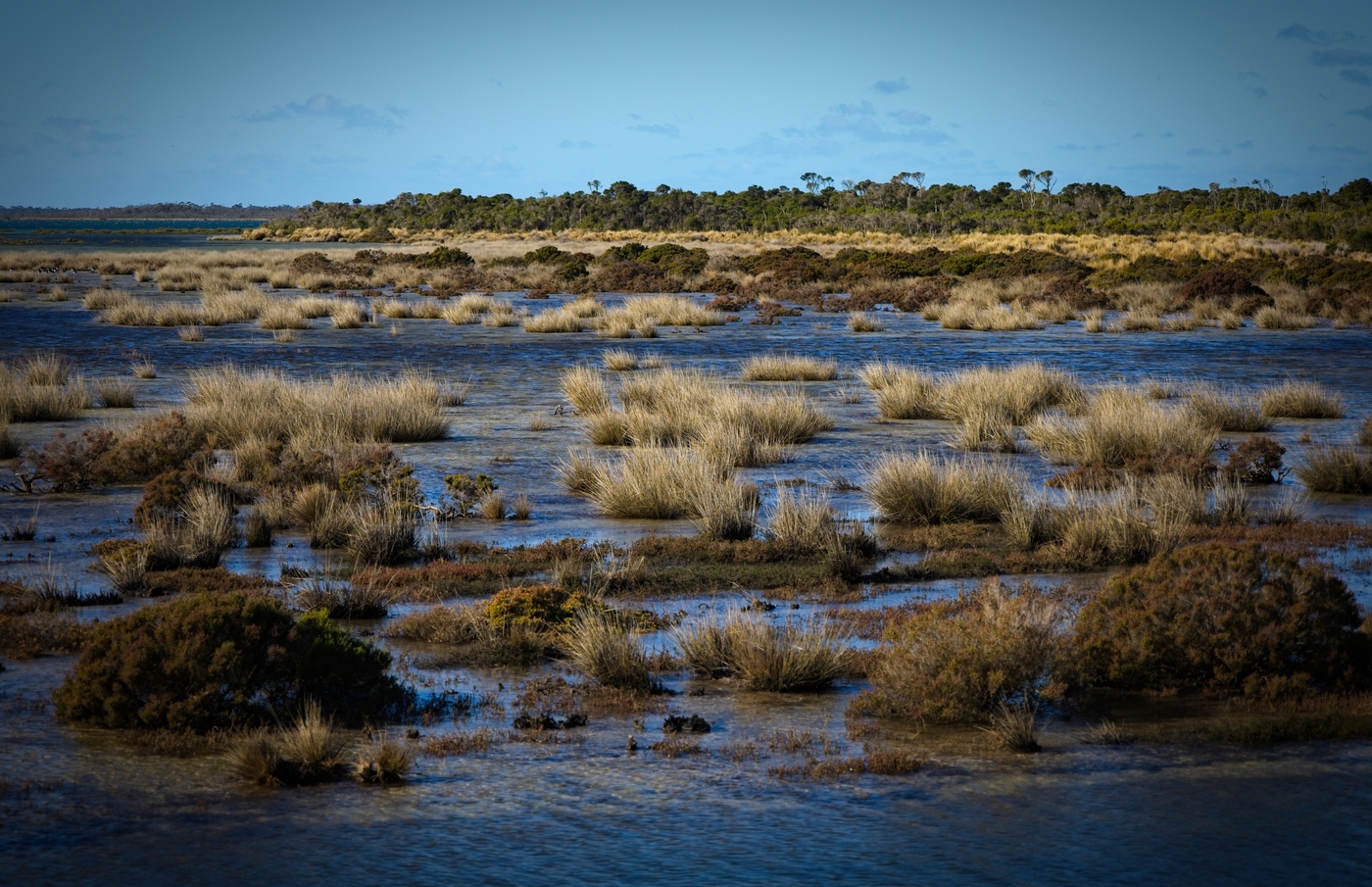
Bullock Island is one of two neighbouring islands protected forever by NL&S through BioDiversity Legacy’s Local Landholding Entity model. Together with Little Dog Island, it safeguards 132 hectares of coastal saltmarsh in the Corner Inlet and Nooramunga wetland system.


Southern Right Whales visit Victoria’s sheltered coastal waters between May and October to rest, give birth and raise their calves. Sightings in Corner Inlet are uncommon, however, making this visitor especially exciting. An expert who viewed the footage believes it may be a young male.

The sighting is also a reminder that conservation does not stop at a property boundary.

Around 96 hectares of marine and intertidal habitat lies between the two islands. While Nooramunga Land & Sea does not own these waters, protecting the islands and their shorelines strengthens the connected channels, mudflats and coastal habitats that marine life depends on.

Seeing a Southern Right Whale resting beside Bullock Island brings that connection to life. It shows what permanent protection is ultimately for: not simply securing land, but helping create a healthier, more resilient landscape - and seascape - for nature.
Community marks World Saltmarsh Day on protected Bullock Island

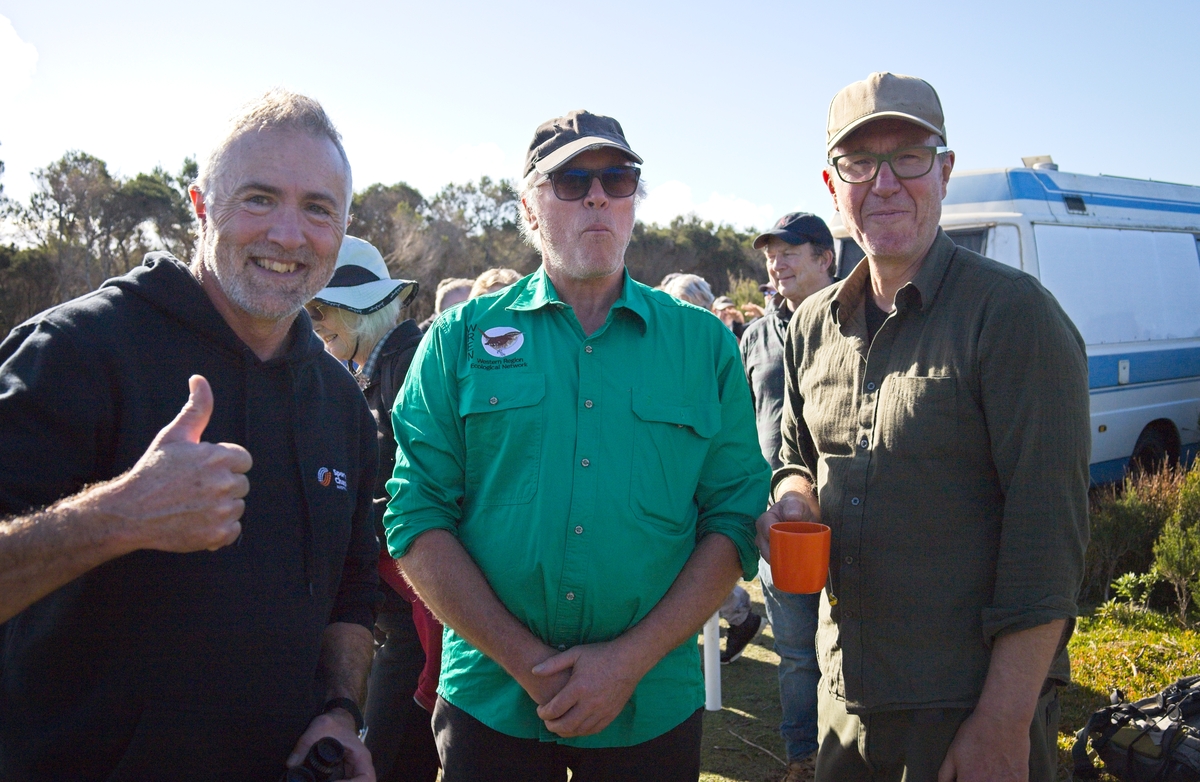
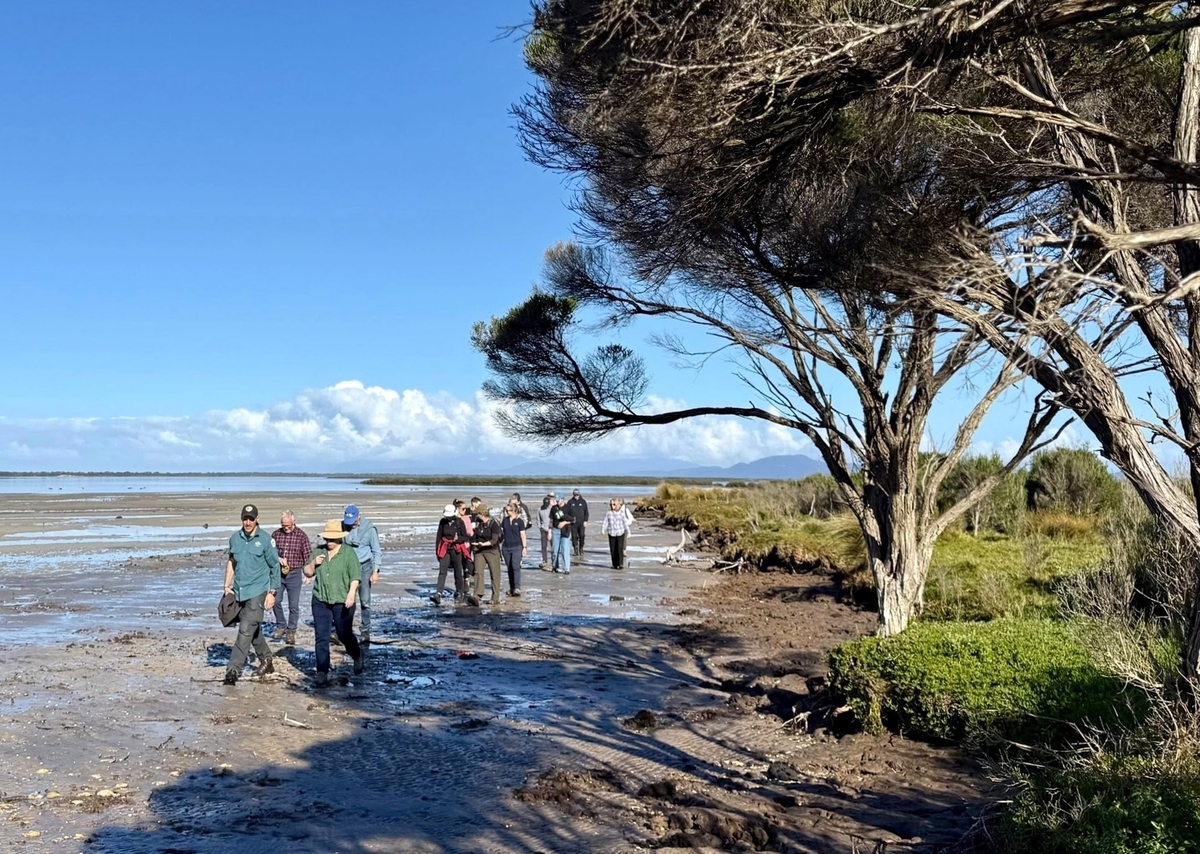
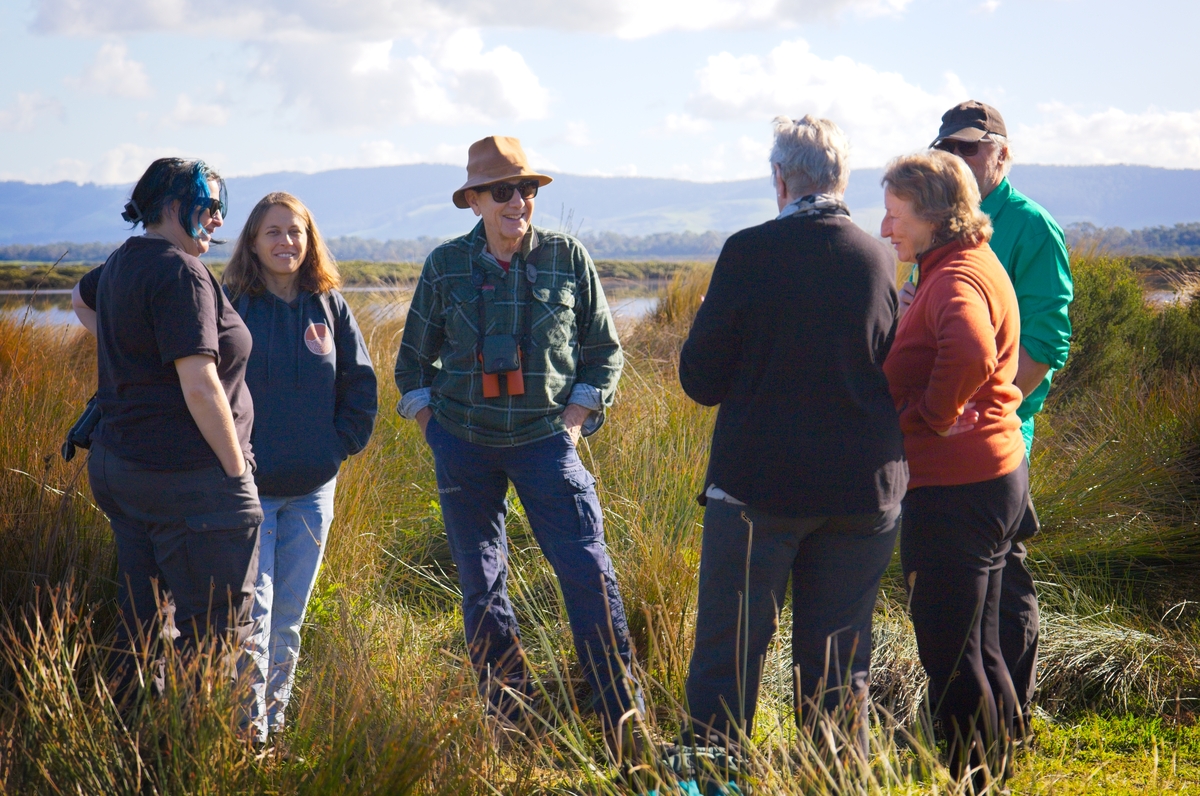
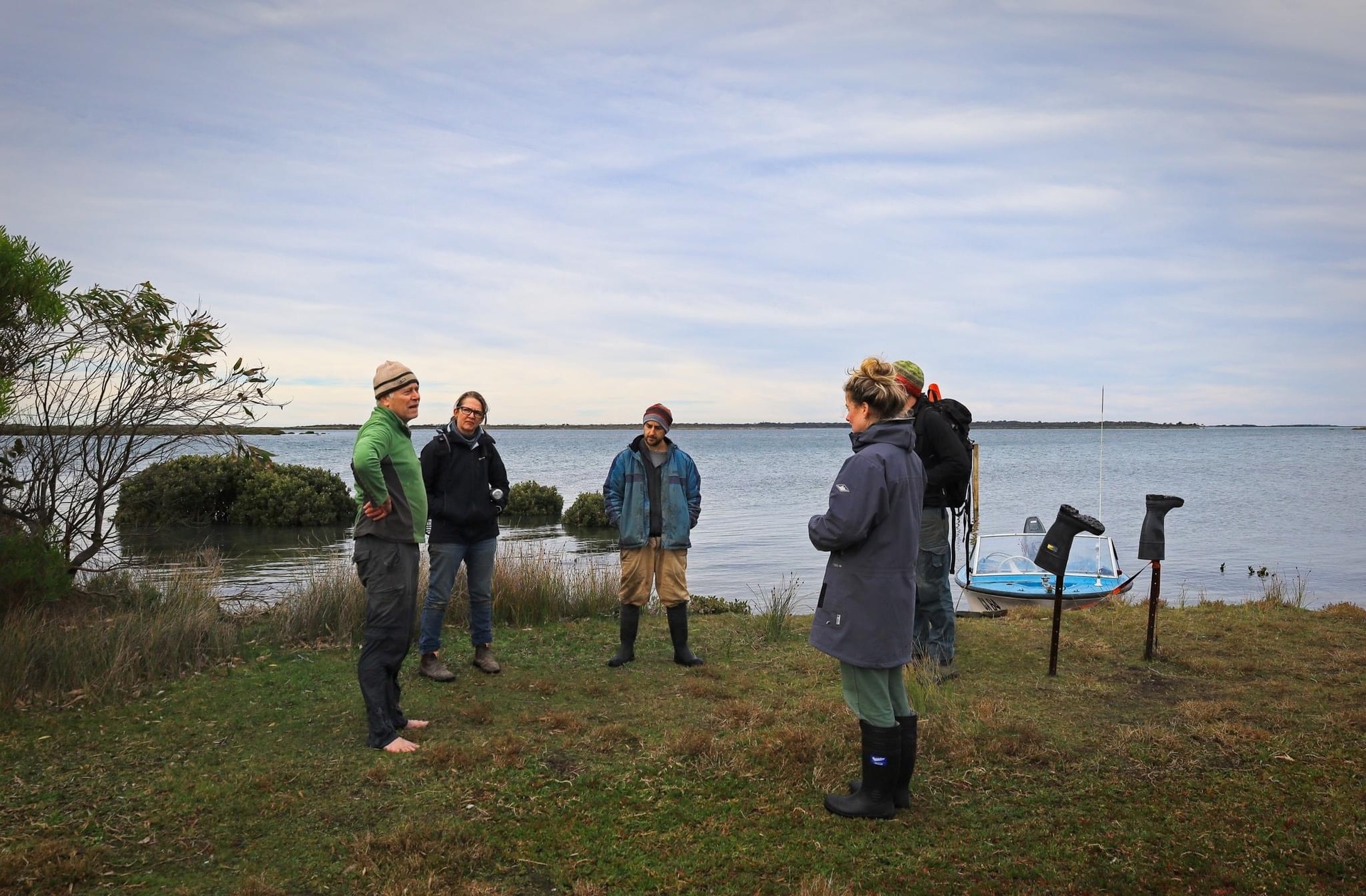
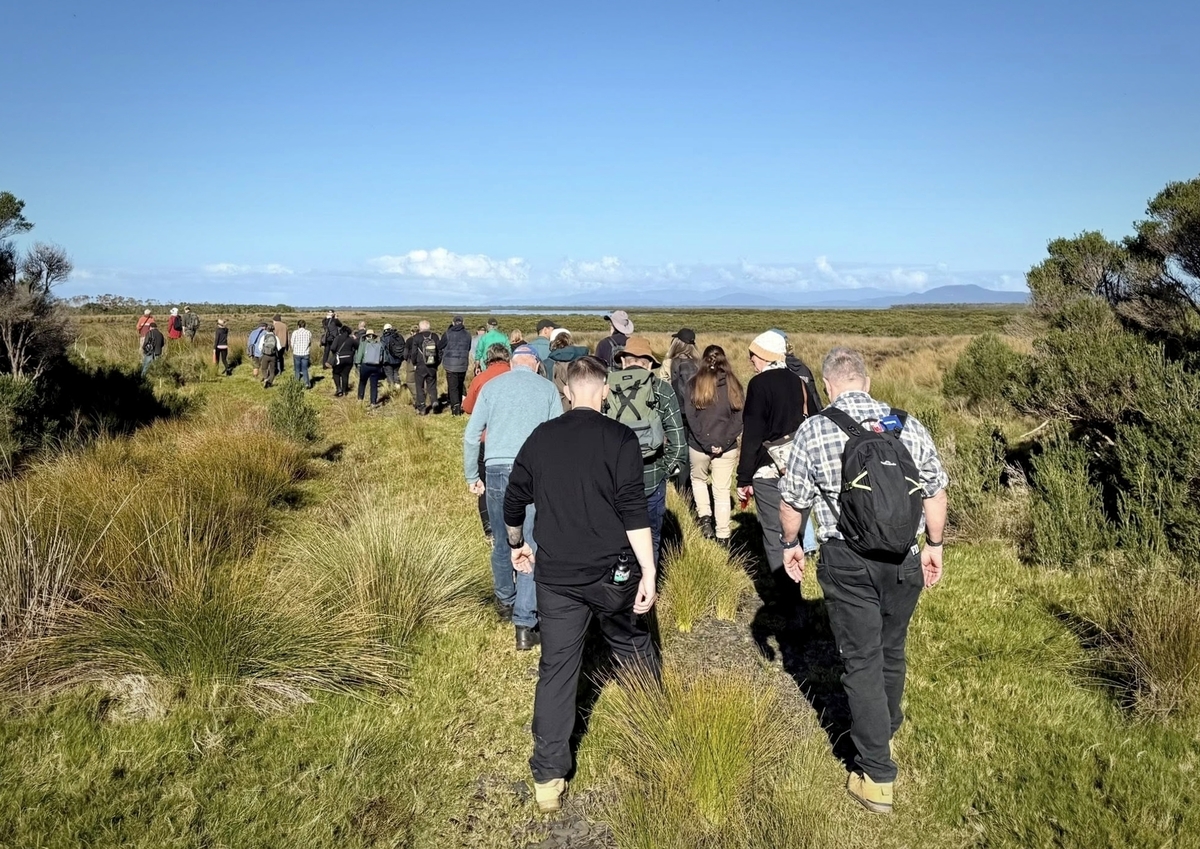
To mark World Saltmarsh Day on 11 June, around 35 community members, environmental partners, scientists, donors, volunteers, local media, photographers and nature lovers visited Bullock Island in South Gippsland — one of two Corner Inlet islands now protected forever by Nooramunga Land & Sea.

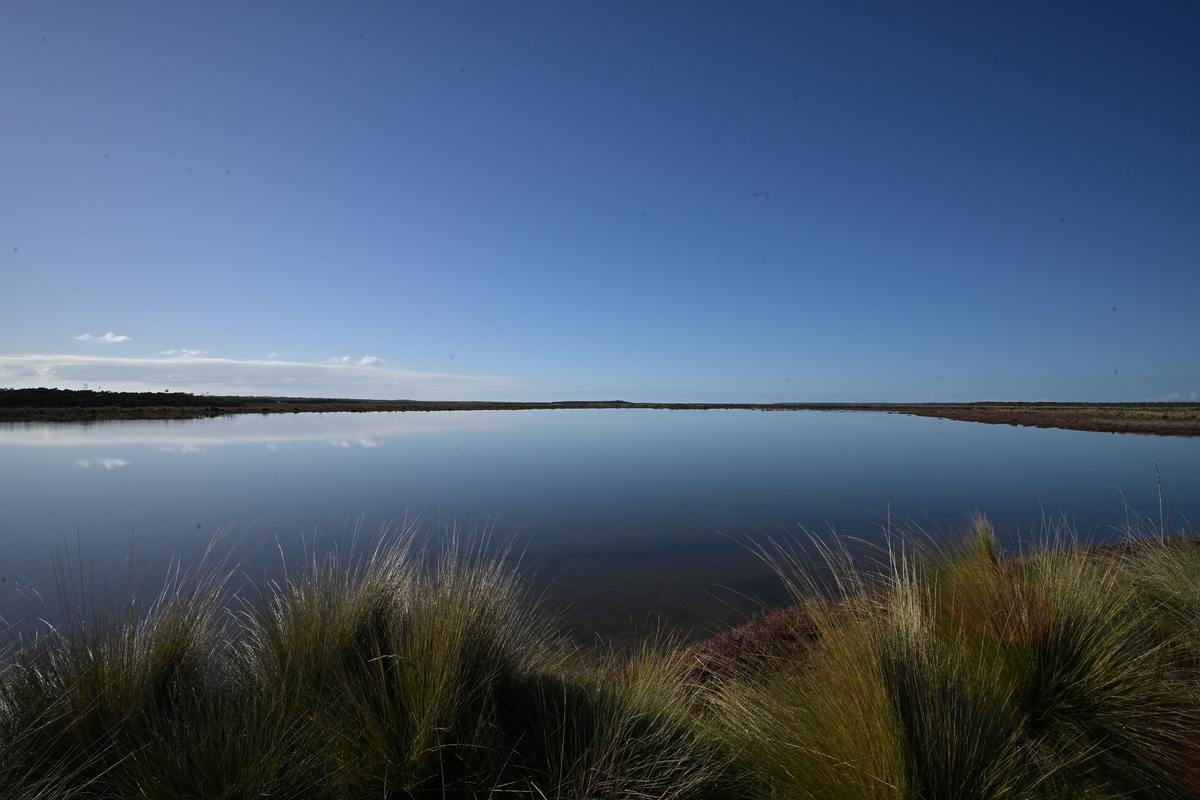
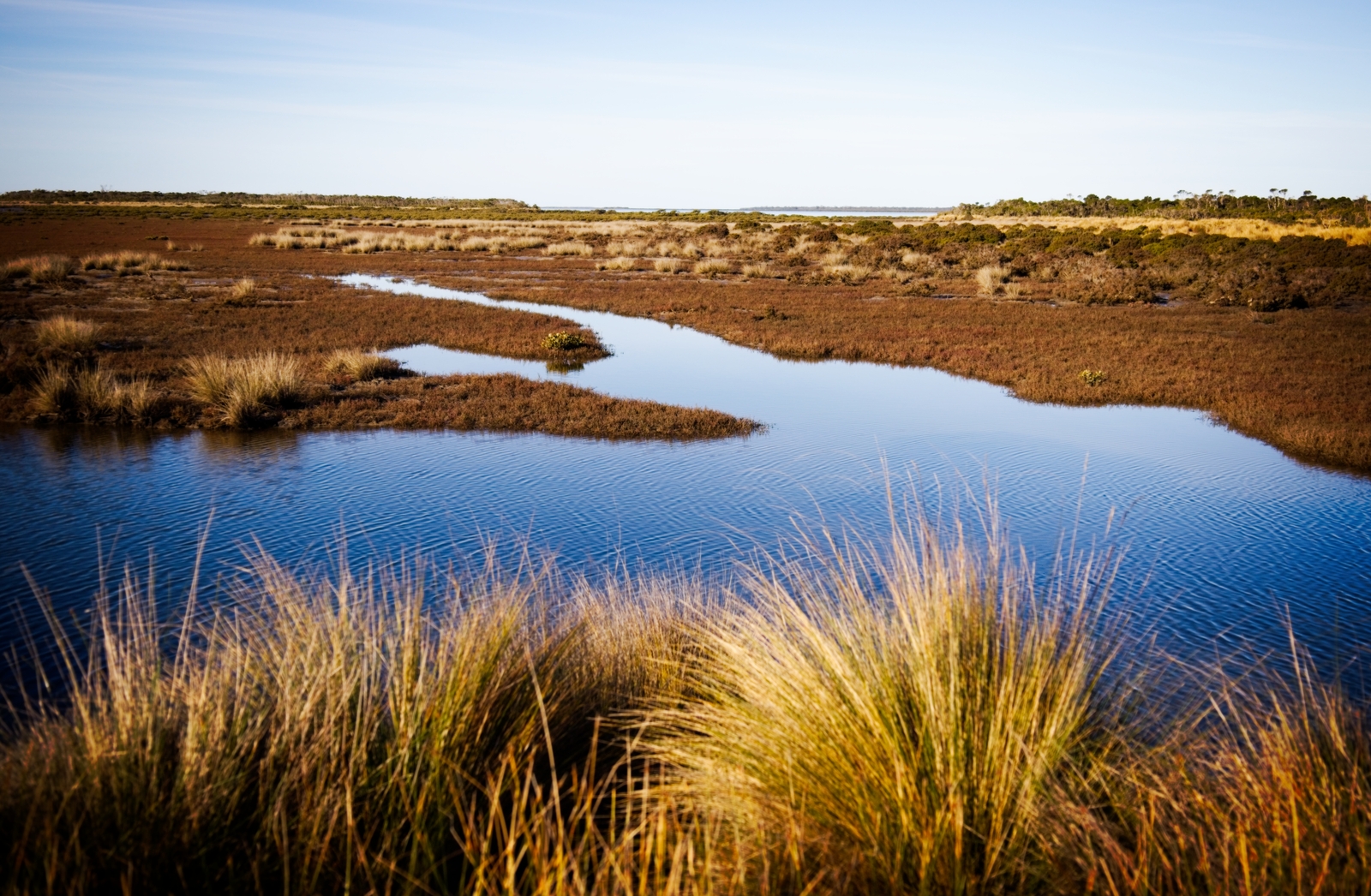
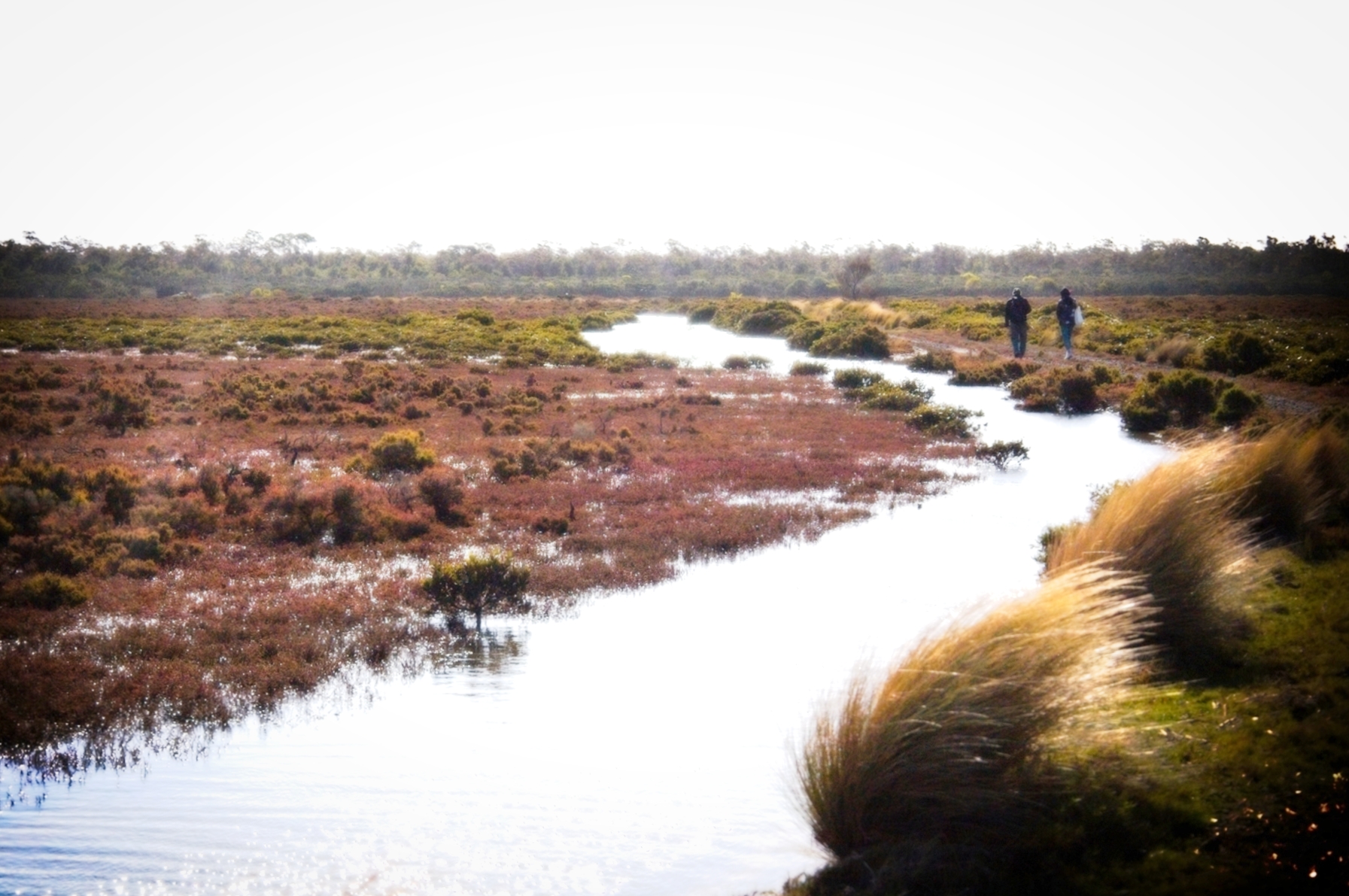
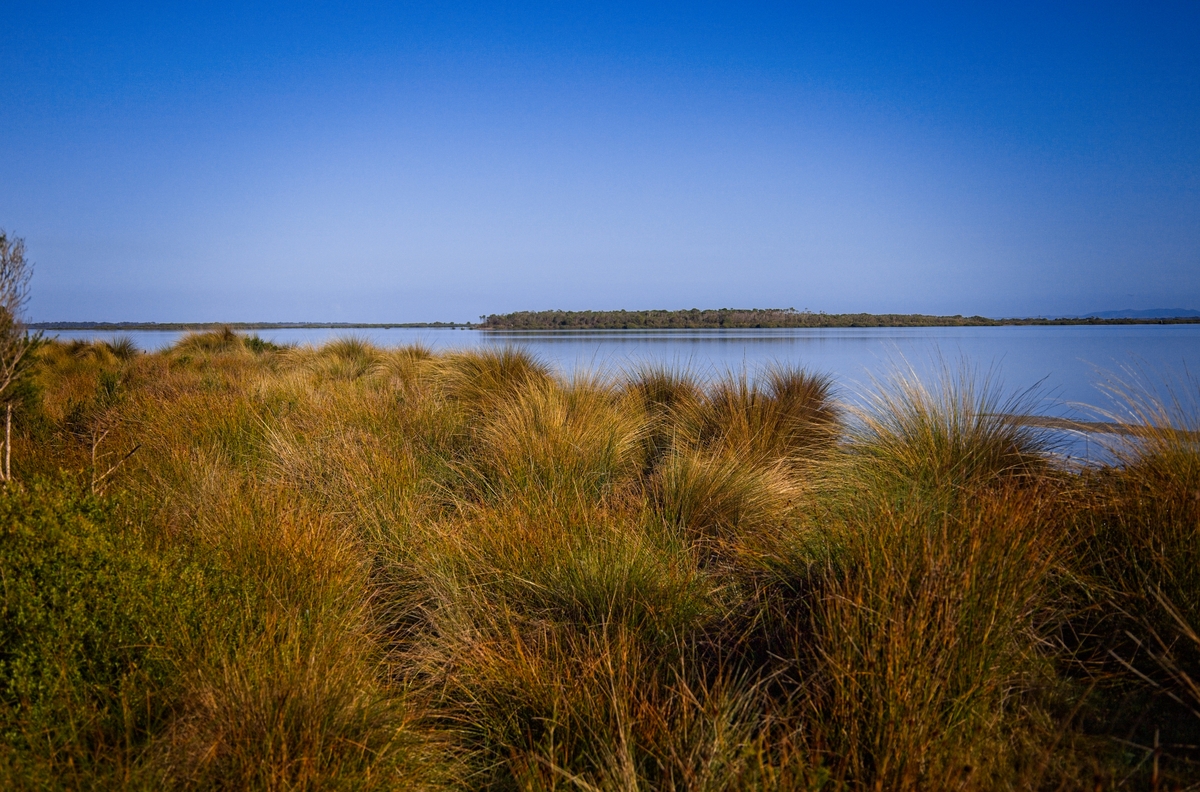
With perfect weather, clear skies and barely a breath of wind, the group explored Bullock Island’s remarkable mix of grassland, saltmarsh, shoreline and open views across the inlet to Wilsons Promontory.

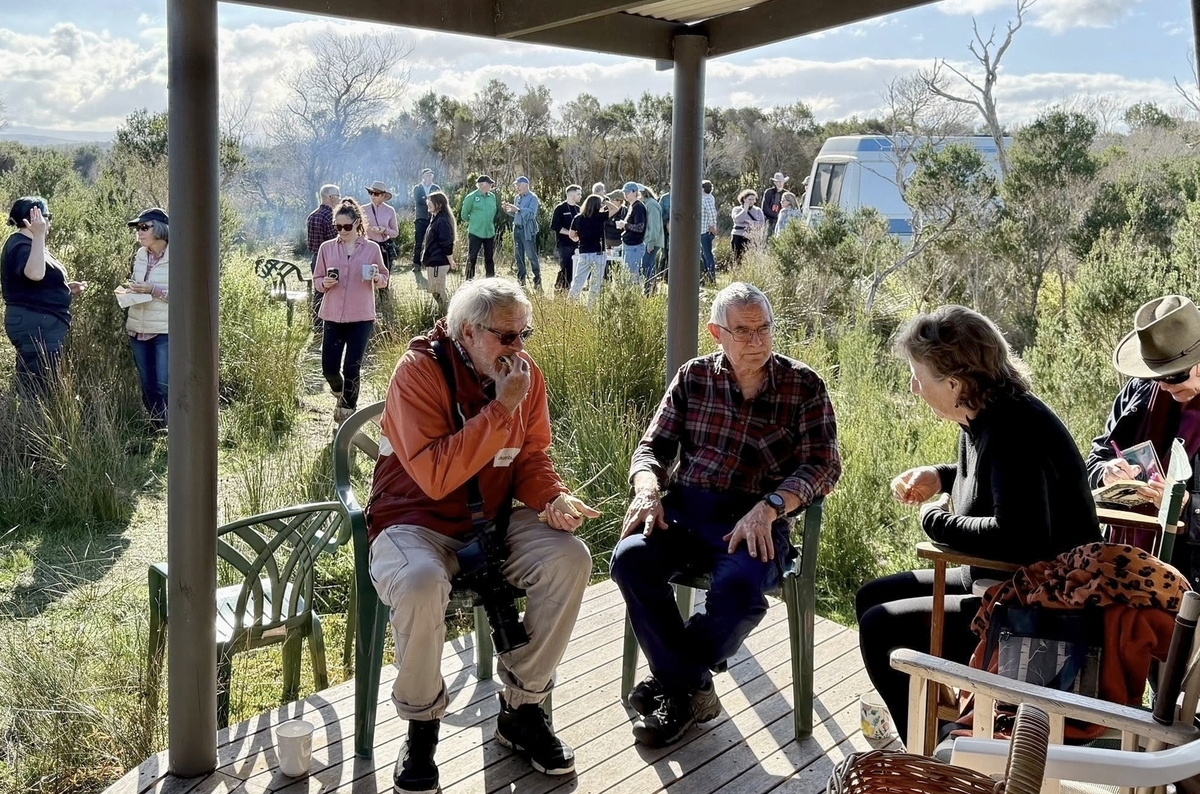
Hosted by BioDiversity Legacy (BDL), with lunch generously provided by Carbon Landscapes, the visit was guided by two founding members of Nooramunga Land & Sea — Tim D’Ombrain and Dr Steve Enticott — along with BDL Biolink Coordinator Stuart Inchley. Together, they offered guests an intimate, first-hand experience of the beauty, biodiversity and quiet power of this protected place.

Nooramunga Land & Sea acquired the adjacent Little Dog Island in 2022. The addition of Bullock Island in 2025 has strengthened this community-led conservation story, securing more of Corner Inlet’s precious saltmarsh and coastal habitat for the long term (read more about Nooramunga Land & Sea here).

World Saltmarsh Day, established by the UK’s Wildfowl and Wetlands Trust, celebrates the extraordinary value of saltmarsh ecosystems — places rich in biodiversity that provide habitat for birds and marine life, store carbon, filter water and help protect coastlines. On Bullock Island, that value was easy to see.

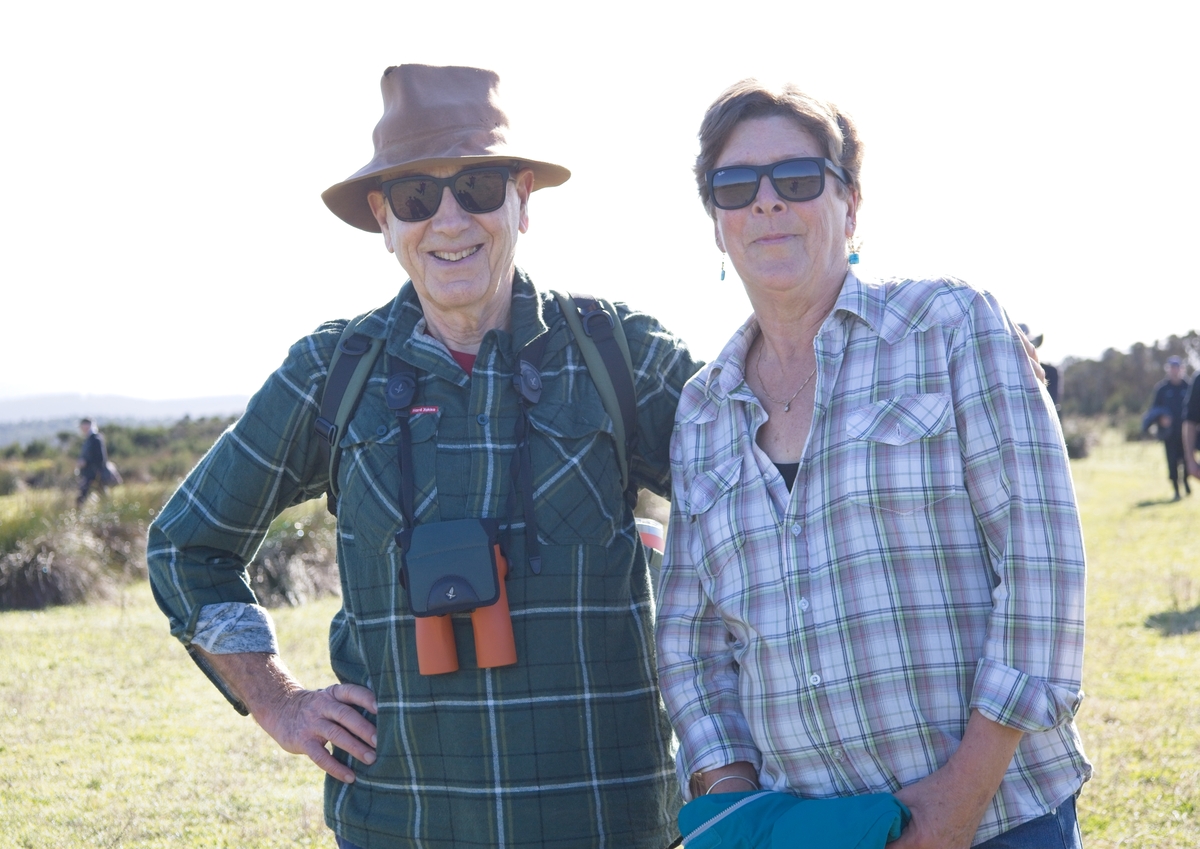
The photo gallery below brings together images from people who joined us on the day, each capturing a different view of a landscape now protected for nature, community and future generations.

Photos below thanks to Dr Steve Enticott, Robyn Gower and Trevor Forge.

Bullock Island
Heading to the Yurt 2
World Saltmarsh Day Bullock Island
Steve's Beach, Bullock Island
Bullock Island photo by Robyn Gower_5486
Jim Phillipson and Marie Avery
Bullock Island by Trevor Forge
Bullock Island photo by Trevor Forge
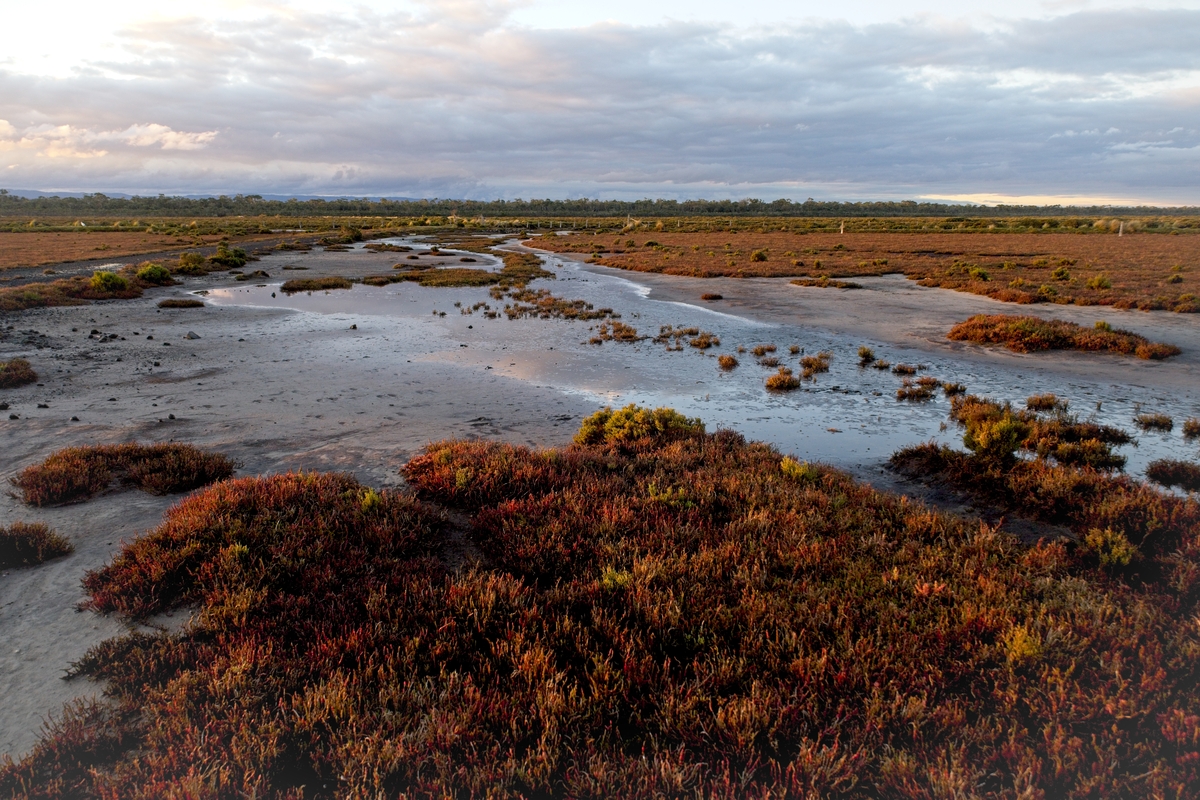
Saltmarsh on Bullock Island
Lunch at the Yurt

Beyond Grassroots: How Hyperlocal Networks Are Transforming Conservation

Change often begins with a conversation over a cup of tea.

At BioDiversity Legacy, we’re often described as working at the “grassroots” of conservation.

To most people, the term grassroots means community-led action, which we support and champion, but we also see conservation unfolding on an even more intimate, fluid scale through what we call hyperlocal networks.

These networks form when neighbours, landholders or individuals with a deep connection to a species or landscape begin sharing knowledge, concerns and ideas about protecting the places they love. Often centred on a single ecosystem, they represent a decentralised, community-driven approach to environmental care and stewardship.

In fact, these place-based relationships have helped lay the foundations for several BioDiversity Legacy projects, including Nooramunga Land & Sea and Connecting Wildlife.

Hyperlocal networks hold enormous potential, but they often need the right connectors to bring people, knowledge and opportunities together. That’s where BioDiversity Legacy’s Biolink Coordinators come in.

Turning care into action

Residing in regions around Australia, our Biolink Coordinators are embedded in the community and empowered to translate local care for nature into practical conservation outcomes by:

  • Building trusted relationships within and across communities and regions
  • Facilitating regional biolinks that connect habitats and landscapes
  • Identifying conservation opportunities that might otherwise be overlooked.
  • Guiding landholders through pathways to protect their land

These coordinators don’t impose solutions. Instead, they guide, facilitate and catalyse conservation in ways that are locally appropriate, practical and enduring.

The power of a conversation

Much of this work begins in simple, human ways – a discussion at a local event, a shared interest in wildlife, or a landholder wondering what might happen to their property in the future.

We jokingly refer to this engagement as a ‘Cuppa Conservation’ — the idea that meaningful conservation often begins by sitting down, listening and building trust.

Not every conversation leads immediately to land protection. But every conversation strengthens the relationships that make conservation possible. Over time, those conversations begin to connect.

From small conversations to lasting impact

Research increasingly shows our instincts about hyperlocal networks are correct.

As Professor Ashley Dawson writes in Environmentalism from Below (2024), “Conservation succeeds when it is embedded in community values; when the voices and profiles of individuals and groups who inspire others are amplified, and when the natural power of social networks is leveraged to spread the message that local people can change the world.”

A model for the future

The future of conservation will not be led by government alone. It will be built by people who care deeply about place, supported by trusted local leaders who can help turn intention into action.

BioDiversity Legacy’s Biolink Coordinators are helping lead that shift by acting as connectors and facilitators, turning conversations into collaborations – and collaborations into protected landscapes.

Turning the Tide for Our Coastal Saltmarsh

In our element, experiencing the joy and adventure of a wild ecosystem

Visiting Bullock Island on a gusty high tide is not for the faint-hearted. But for a small group of committed volunteers, the challenge is more than worth it. A bit of cold, wet and mud is a small price to pay for an up-close encounter with one of Victoria’s most remarkable saltmarsh environments.

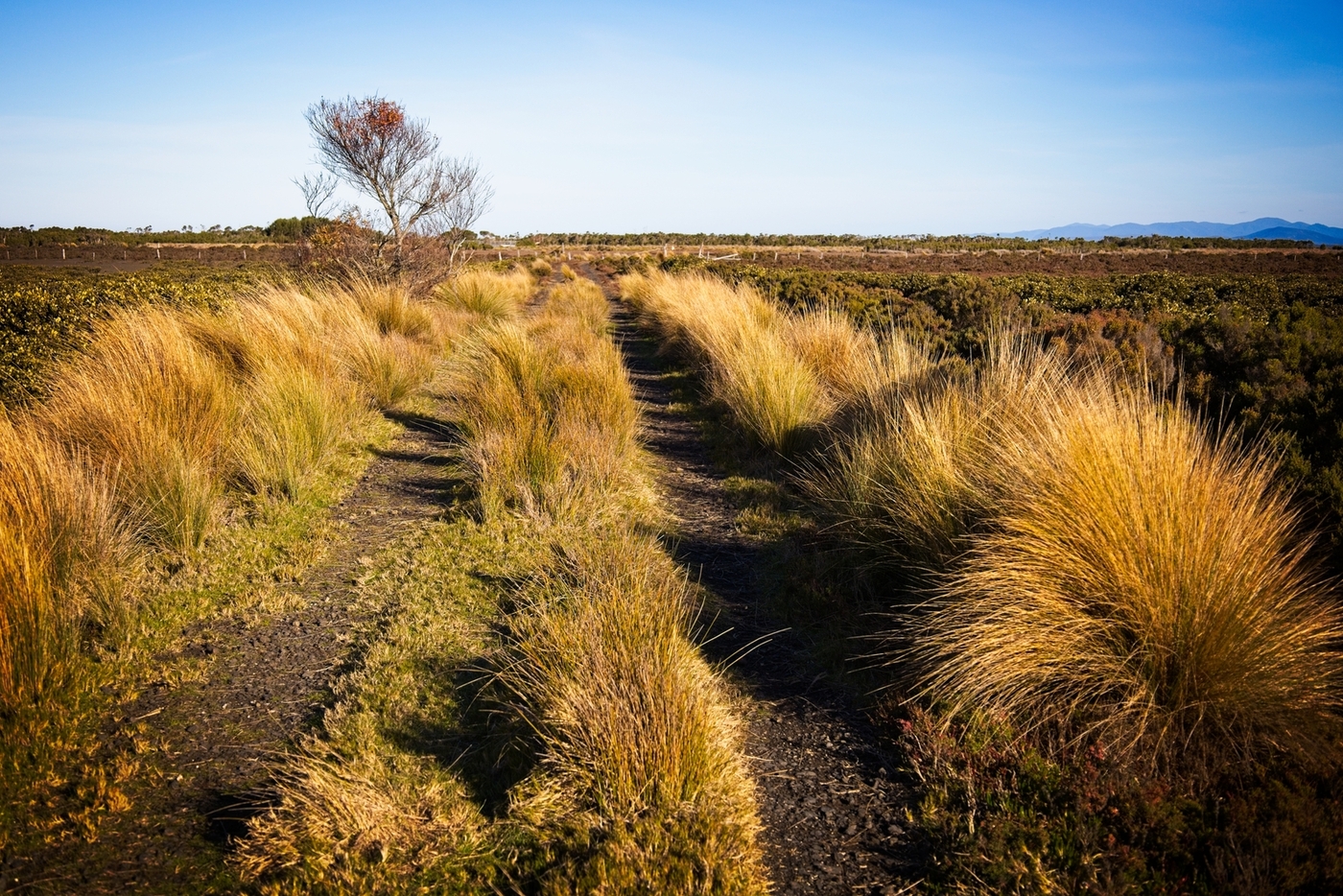
Getting there is part of the adventure. Bullock Island sits within the iconic Corner Inlet in South Gippsland, a site of international importance under the Ramsar Convention. Reaching it requires a capable 4WD and a 30-minute drive along sandy, rutted tracks flanked by Manna Gums, Stringybarks, Grass trees and century-old Banksias. Wet weather gear, food, water and a good camera are essential - especially if you’re lucky enough to spot one of the inlet’s rare birds along the way.

Jewels in the landscape

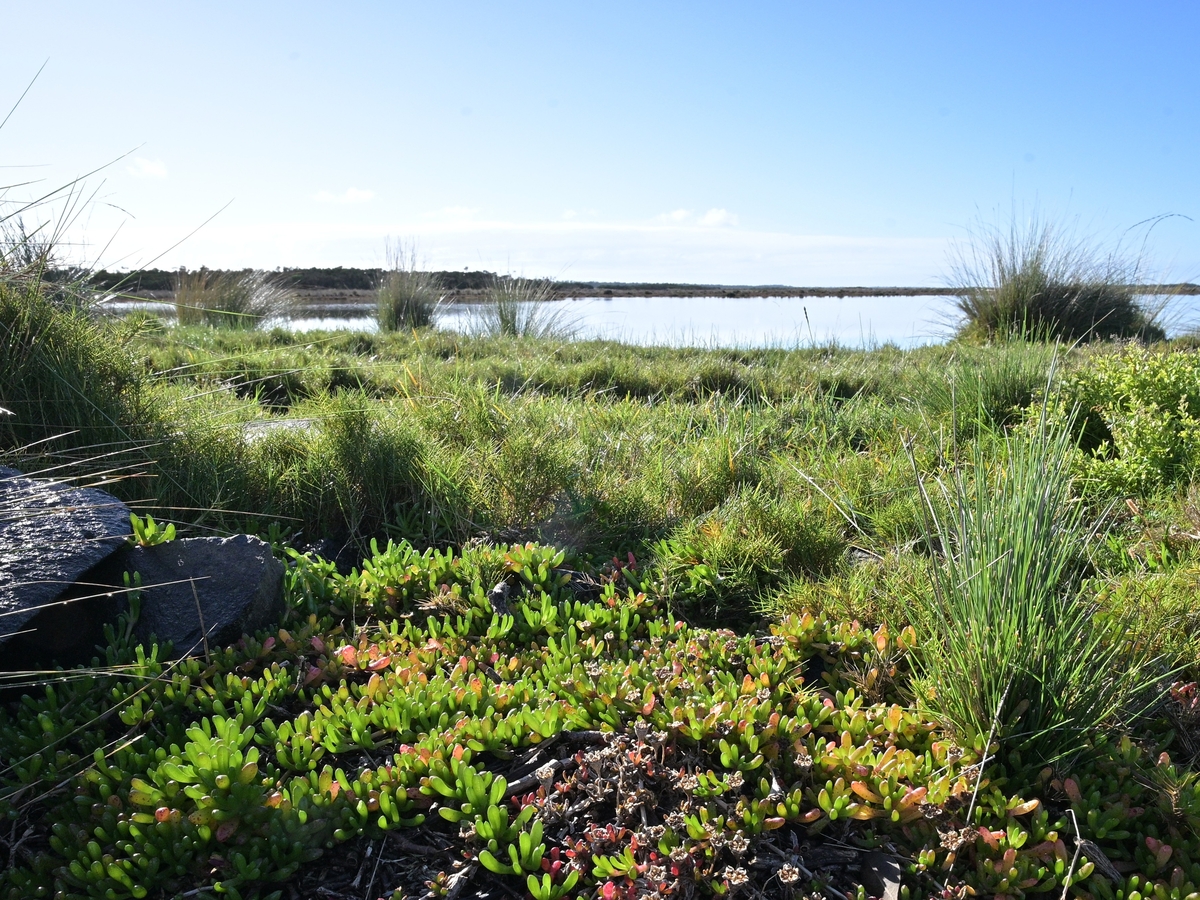
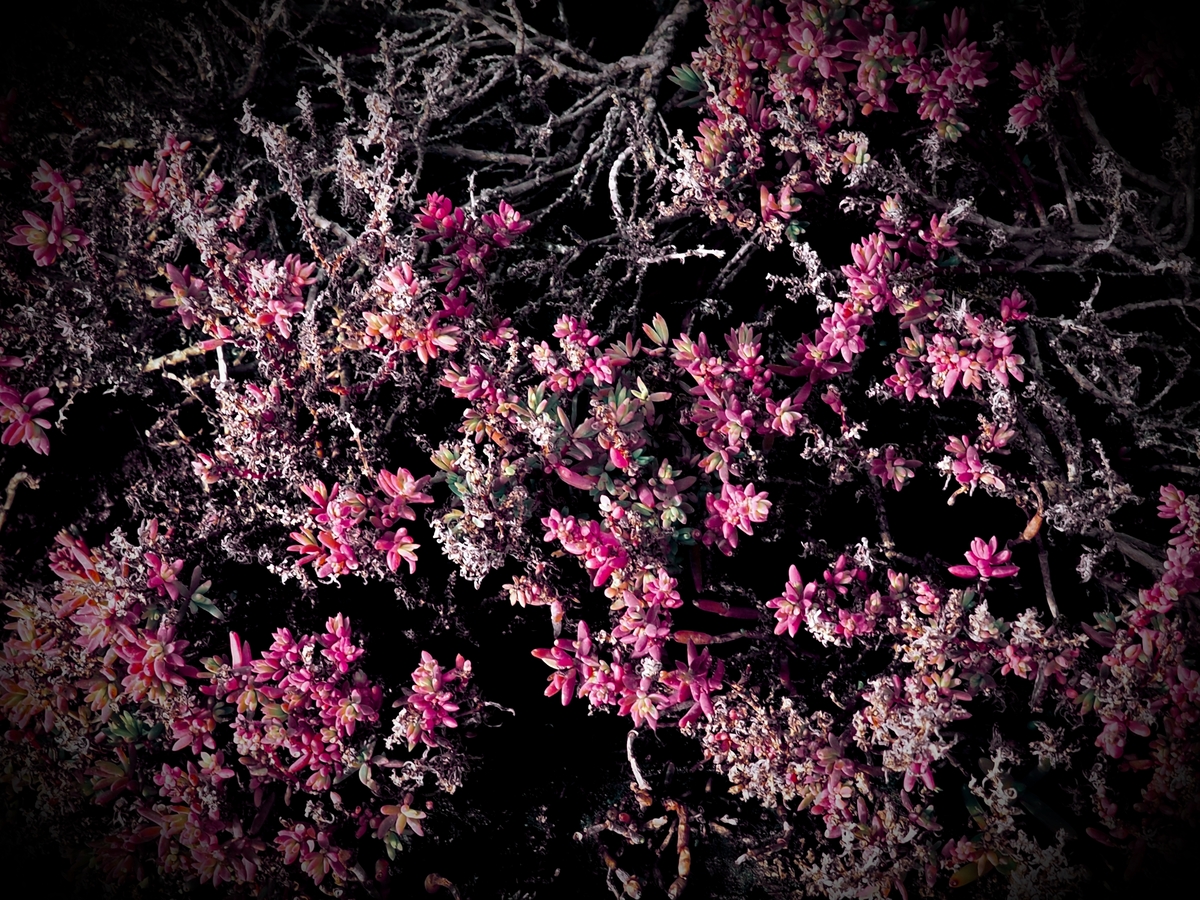
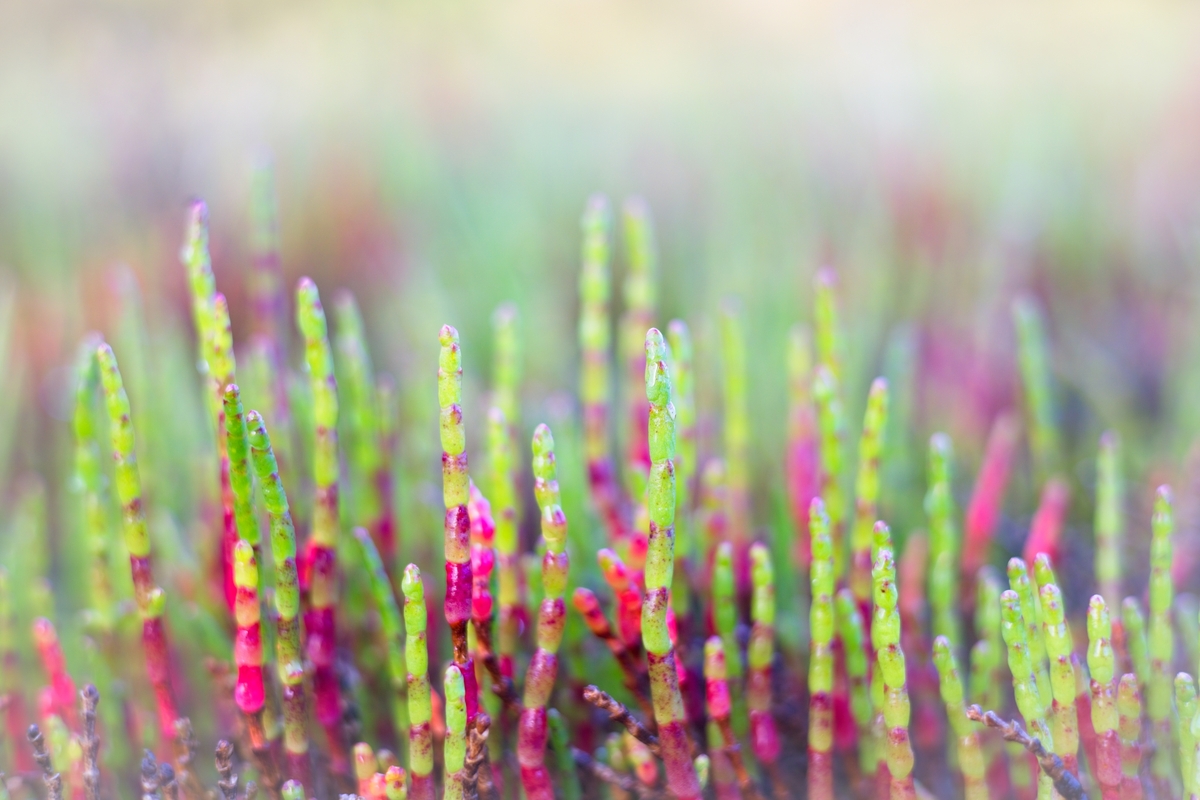
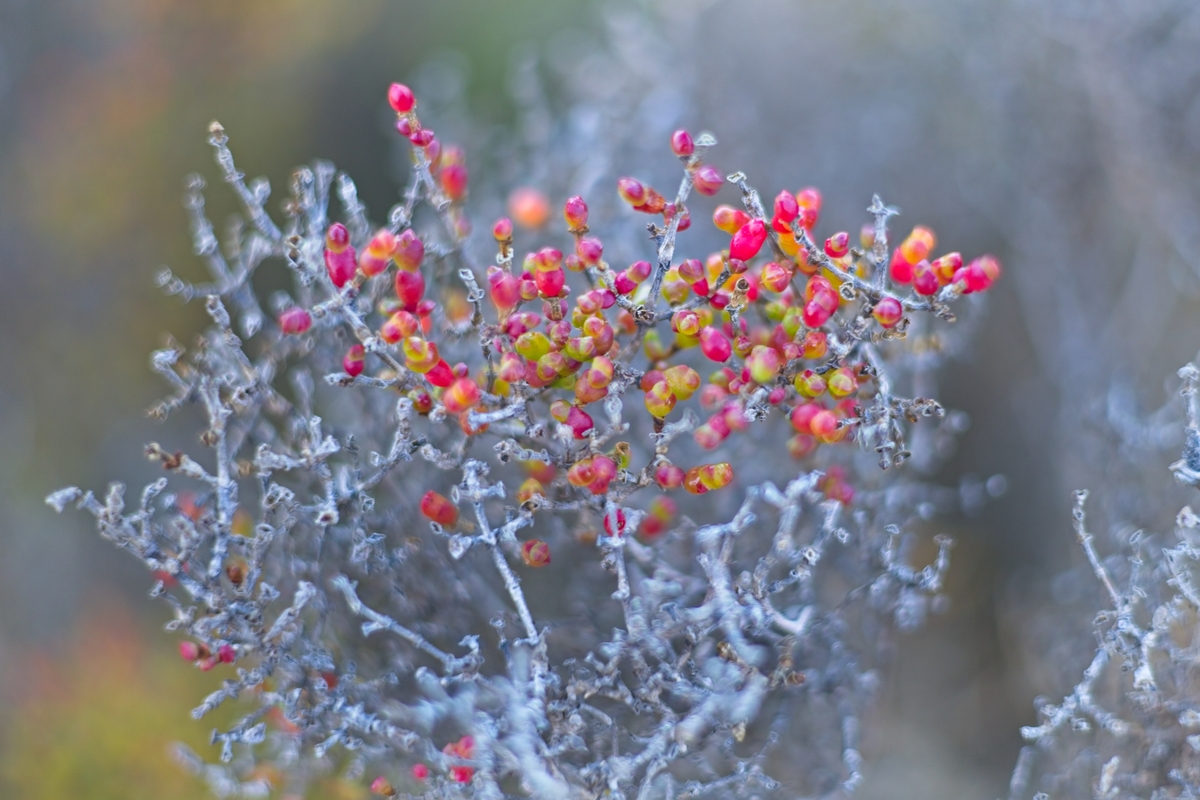
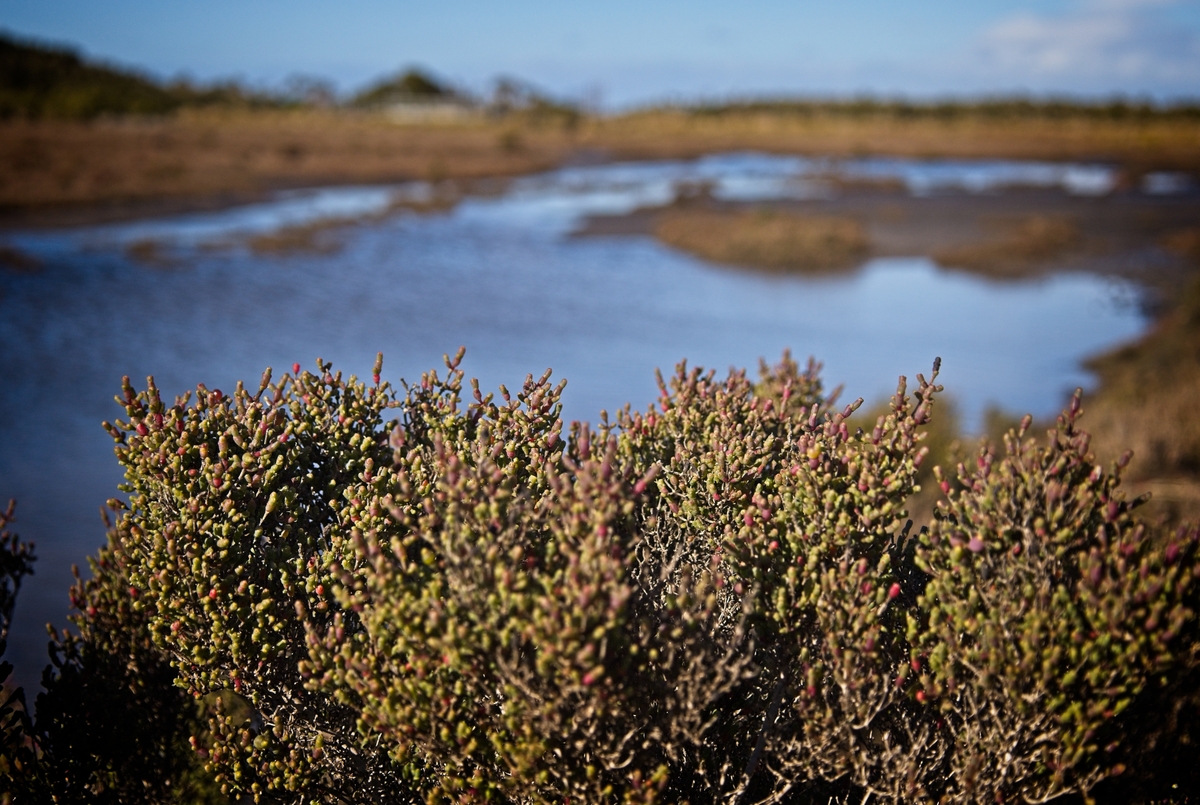
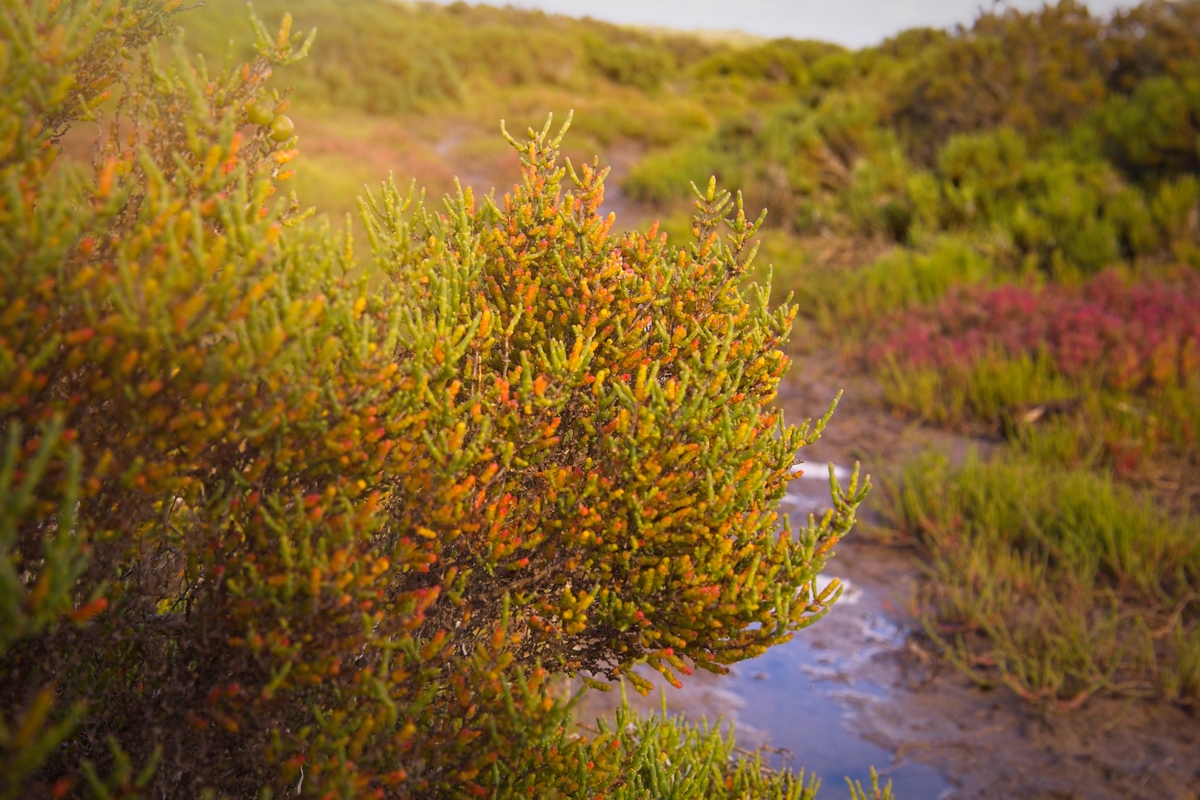
Once on the island, you’re rewarded with a sweeping ecological tapestry. Beaded and Shrubby Glassworts, Pigface, Austral Seablite, Swamp Paperbark, Austral Brooklime, native grasses and White Mangrove forests paint the landscape in shifting tones of green, red, silver and gold.

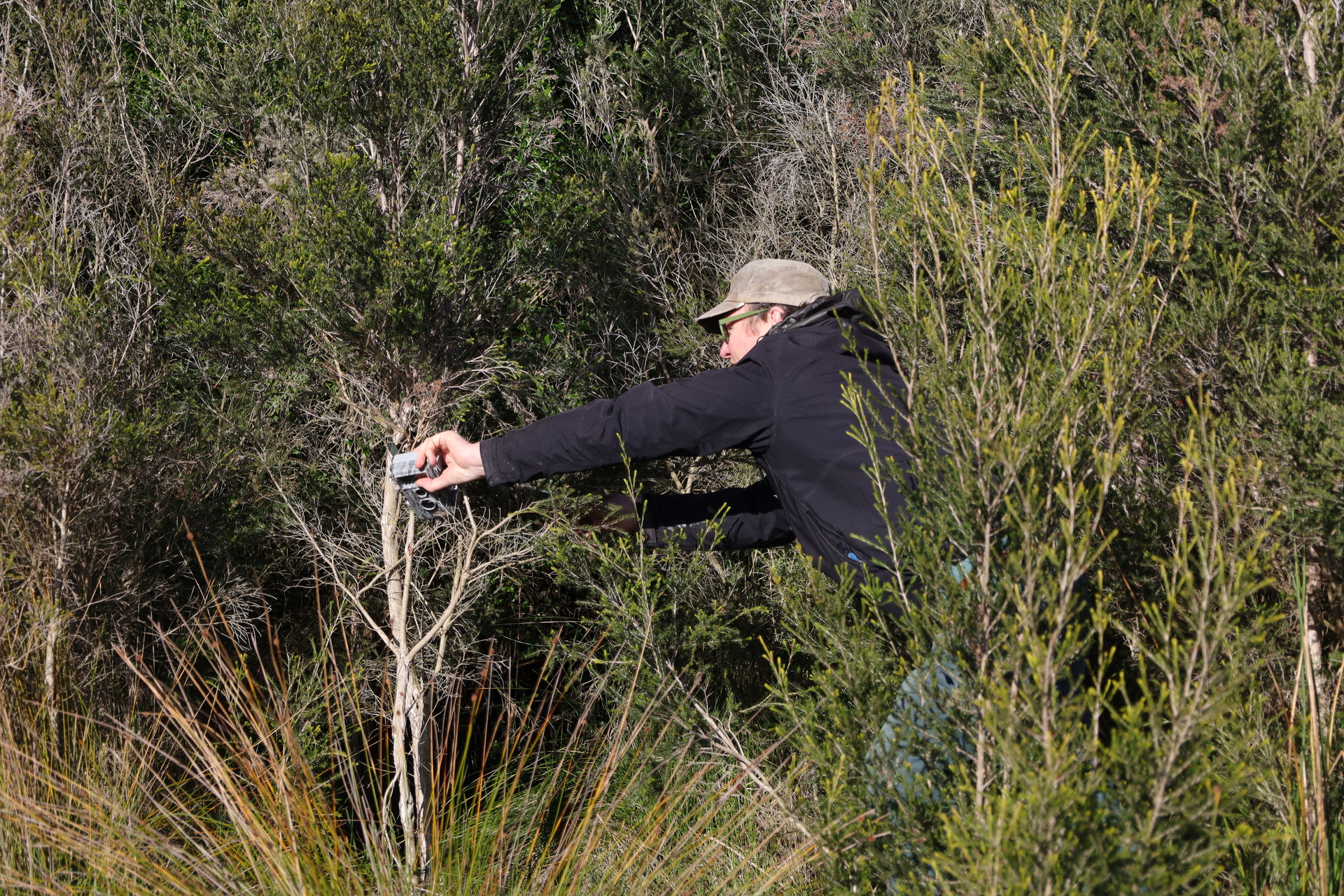
On this particular visit, the volunteers have a mission - to retrieve remote-sensing cameras placed around a freshwater hole on the 72-hectare island to monitor fauna. As they cross the long causeway, a mob of kangaroos bounds across the tidal flats - a fitting welcome to this wild and beautiful place framed by the dramatic hills of Wilsons Promontory to the south.

Protecting Nooramunga Land & Sea

Bullock Island is the second island to be secured by Nooramunga Land & Sea (NL&S), a not-for-profit Local Landholding Entity supported by BioDiversity Legacy and dedicated to protecting and restoring these fragile coastal landscapes for future generations.

Along with neighbouring 60-hectare Little Dog Island, Bullock Island bears the scars of past farming and recreational use. Now, however, these islands are being carefully managed to heal. Rising sea levels due to climate change pose a challenge - but also an unexpected opportunity. Storm surges bring salty water that can kill off invasive weeds such as pasture grasses, helping native saltmarsh species reclaim their ground.

The islands are also blue carbon powerhouses. Their muddy soils lock away vast amounts of carbon, making them critical allies in the fight against climate change while nurturing biodiversity.

Watching Over a Global Bird Haven

Remote cameras are one of the tools that the NL&S stewardship team uses to watch over Bullock and Little Dog Islands. Carefully placed in the landscape, they support the detection of native fauna and help to identify potential threats - such as feral deer and foxes - to these internationally significant places.

Bullock Island is a vital stopover for migratory shorebirds and local beach-nesting birds alike. Visitors include the Critically Endangered Far Eastern Curlew, Curlew Sandpiper, Great Knot, Endangered Lesser Sand Plover, Red Knot and the Vulnerable Hooded Plover.

The island may even provide habitat for Australia’s most threatened bird, the Orange-bellied Parrot, which travels from Tasmania each year to feed on Victoria’s saltmarshes. With historic sightings in South Gippsland, the NL&S team remains hopeful of a future encounter.

A Wild Place Worth Protecting

Despite the long day, wet clothes and muddy boots, the volunteers leave Bullock Island with hearts full. They speak of the thrill of standing in a landscape where tidal creeks carve graphic patterns through the saltmarsh, where the texture of grasses and rushes shifts with the light and where each visit reveals something new.

They also carry with them a renewed commitment to the NL&S stewardship plan - a long-term vision to protect these living carbon sinks, strengthen habitat for endangered species and give the next generation the chance to witness the magic of this wild place.

Two islands, one vision – safeguarding Corner Inlet’s saltmarsh communities

BioDiversity Legacy’s bold vision for protecting vulnerable ecosystems at scale is being realised in South Gippsland, where Nooramunga Land & Sea (NL&S) has acquired its second saltmarsh island in Corner Inlet.

Bullock Island joins neighbouring Little Dog Island as part of a growing legacy of land protected within the iconic Corner Inlet – a Ramsar-listed wetland of international significance.

Both islands were previously zoned for farming and recreational use, placing over 132-ha (330-acres) of valuable coastal saltmarsh at risk. In fact, the 60-hectare Little Dog Island was previously developed as a golf resort, which caused significant damage.

With funding from the Upotipotpon Foundation and support from Biodiversity Legacy, the NL&S team secured the island, with the stewardship team about to conduct surveys and monitoring to see what's on the island and undertake habitat restoration and enhancement works to protect vulnerable species and help them thrive.

Land protection and stewardship team

The NL&S team consists of leading ecologists, environmental philanthropists, carbon landscape experts and researchers with deep roots in ecological restoration and land protection. They include:

  • Karl Just
  • Tim D’Ombrain
  • Dr Steve Enticott (Carbon Landscapes)
  • Kristin Monie (Ecological Researcher)
  • Jim Phillipson, Strategic Director, Rendere Environmental Trust.

Rendere also provided support for the initiative, with volunteers, local landholders, Traditional Owners, citizen scientists and community partners also invited to collaborate on efforts to protect these landscapes, which are vital for biodiversity, carbon storage and climate resilience.

A Living Mosaic

Framed by Wilson’s Promontory to the south and South Gippsland’s green hills to the north, the 72-ha Bullock Island presents a rich tapestry of native grasses, salt-tolerant shrubs, Swamp Paperbark and colourful succulents, such as Beaded and Shrubby Glassworts, Pigface, Austral Seablite and Austral Brooklime.

Like many of the sandy islands in Corner Inlet, Bullock Island’s intertidal mudflats and waters support large areas of White Mangrove and Broad-leafed Seagrass; communities of limited distribution in Victoria.

Sanctuary for rare and migratory birds

Corner Inlet is a haven for birdlife, supporting an estimated 20% of Victoria’s entire wader population. Now linked by intertidal flats, Bullock and Little Dog islands offer crucial safe habitat for several threatened species, including:

  • Critically Endangered: Far Eastern Curlew, Great Knot, Curlew Sandpiper
  • Endangered: Lesser Sand Plover, Red Knot
  • Vulnerable: Hooded Plover, Australian Grayling, Swift Parrot

There is also quiet optimism that the islands may one day support the return of the Orange-bellied Parrot – one of Australia’s rarest birds. NL&S is working closely with BirdLife Australia and Zoos Victoria to monitor for the species’ presence and support its potential recovery.

Why these islands matter to us all

The value of these saltmarsh islands extends far beyond biodiversity. As part of the blue carbon ecosystem, their dense vegetation and deep, silty soils lock away carbon 30 to 50 times faster than terrestrial forests – keeping it stored for thousands of years.

They also provide:

  • storm surge protection for coastal towns
  • clean water by filtering nutrients and sediment
  • fish nurseries vital for local marine species and fisheries.

Protecting them means strengthening climate resilience, food systems and local economies.

A blueprint for community-led conservation

This project demonstrates what’s possible when innovative governance structures meet passion, purpose and place-based conservation.

The NL&S team anticipates further acquisitions to protect and restore connectivity between South Gippsland’s saltmarsh ecosystems as more landholders and philanthropists come on board.

Secret Link